
Why is the City of Johannesburg failing to pay Eskom?
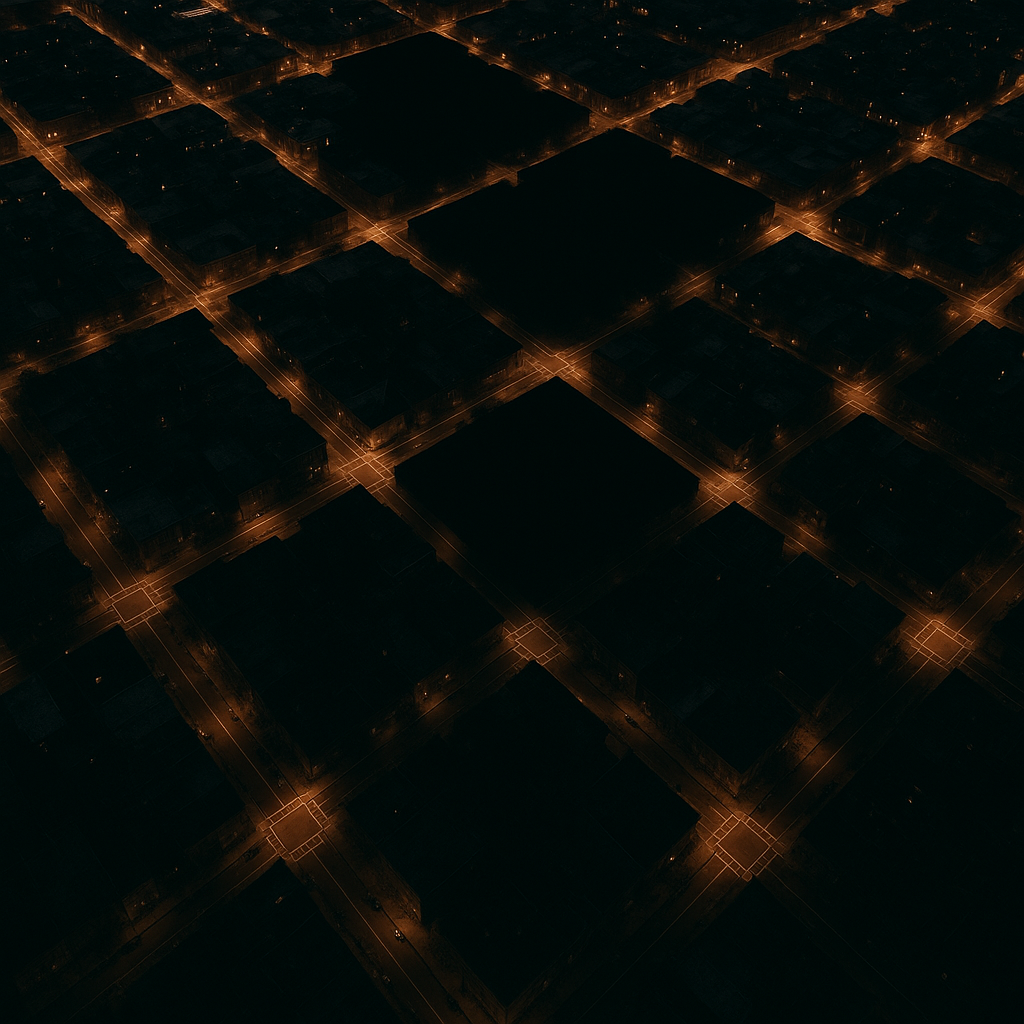
Johannesburg faces an electricity crisis as Eskom threatens to cut power over R5.2 billion debt, risking widespread blackouts and collapse.
Johannesburg is in big trouble with its power! They owe a massive R5.2 billion to Eskom, the electricity company, and more money is due soon. If they don't pay up, Eskom will turn off the power, plunging the city into darkness. This could stop hospitals, water, and traffic lights from working, making life very hard for everyone. Bad money management and even fake electricity sales have caused this huge problem, threatening to break down the whole city.
What is the main problem facing Johannesburg regarding its power supply?
Johannesburg faces an imminent power cutoff from Eskom due to an unpaid R5.2 billion electricity bill, with an additional R1.5 billion due. This financial crisis, coupled with municipal mismanagement, including R25.2 billion in outstanding creditors and "ghost vending" of electricity tokens, threatens to plunge the city into darkness and collapse essential services.
Get Cape Town news in your inbox
Stay updated with the latest stories from the Mother City.
The Shockwave
City Hall felt the floor shake on Tuesday afternoon. Eskom’s blunt “final notice” landed on Mayor Dada Morero’s desk, stating - in dry officialese - that bulk supply to Johannesburg would soon be severed unless R5.2 billion is handed over immediately. That staggering sum is not open to haggling, and it excludes the fresh R1.5 billion invoice due on 5 June 2026 already waiting in the tray.
Eskom’s accountants claim they have spent “over two years” coaxing the metro to honour its bills, offering deferrals, restructuring packages and payment holidays. Each lifeline, however, was followed by fresh defaults. The maths is brutal: Johannesburg’s monthly tab for buying electricity in bulk hovers around R1 billion, so the current backlog equals more than five months of deliberate under-payment.
The memo from the utility’s National Control Centre is crystal clear - no more extensions, no more goodwill. The city now has days, not weeks, to conjure up the cash or watch 46 bulk intake points go dark in carefully sequenced waves.
Municipal Fracture Lines
City Hall’s Empty Purse
Finance Minister Enoch Godongwana spelled it out in an April letter: outstanding creditors now total R25.2 billion, the cash on hand is a thin R3.9 billion, and a wage deal for municipal staff - signed without legal cover - adds another R10.3 billion liability.
If that were not enough, National Treasury has threatened to withhold July’s equitable-share grant, a monthly transfer of roughly R2.8 billion that keeps indigent burials, crèche subsidies and clinic stock levels alive. Losing that lifeline would trigger an immediate social-services blackout.
Adding to the squeeze, commercial banks have quietly cancelled uncommitted overdraft lines worth R2.1 billion after the city’s JSE-listed bonds were suspended for late audited statements.
Ghost Tokens and Disputed Bills
An Auditor-General probe recently unveiled “ghost vending” at 37 prepaid outlets - digital tokens worth R210 million were conjured out of thin air and sold without a cent reaching City Power’s till. In Alexandra and Soweto, duplicate meters bleed another R350 million every year.
At the other end of the income scale, residents of Hyde Park and Bryanston have taken to court, arguing that surcharges meant to cross-subsidise the poor are unlawful. They refuse to pay, confident that load-limiting threats will collapse under constitutional scrutiny.
The city’s billing architecture is a ruin of vendor swaps: migrations from Precedence to SAP ISU and on to a hastily customised Oracle stack left 90 000 households stuck on estimated bills because their smart meters can no longer speak to the new servers.
Technical Dominoes
When the Switch Flips - and What Dies First
No giant red breaker exists for Joburg. Instead, Eskom’s National Control Centre will instruct the 46 Megaflex bulk nodes to throttle nominated demand to zero. Hospitals must switch to diesel within four hours; Charlotte Maxeke alone guzzles 28 000 litres daily at full backup load.
City Power’s storm centre calculates that 60 % of demand will vanish in the first hour. The remaining 40 % clings to rooftop PV, standby generators and illegal back-feeds that pour power back through transformer taps never engineered for reverse flow.
Within 12 hours, water systems join the collapse. Johannesburg Water buys 1 600 megalitres a day from Rand Water, pushed uphill by pump stations that stall when electricity disappears. Northern suburbs will empty their high-lying reservoirs within 24 hours; deep-level pumps at Eikenhof will stop on the southern side, threatening acid-mine decant into the Klip River.
The Retail Scramble
Sandton City’s rooftop solar can shoulder 38 % of its load - designed for four-hour stage-6 outages, not indefinite darkness. Cold-chain chains are chartering refrigerated trucks and parking mobile abattoirs next to containerised banking cores in Germiston, promising live ATMs and fresh meat.
Traffic lights - 2 800 intersections in total - will be the first visible casualty. The Johannesburg Roads Agency has 400 trailers of temporary stop signs, yet past strikes prove last-mile deployment can take 36 hours.
Meanwhile, syndicates are marketing “bridge” cables that clamp directly onto Eskom’s 132 kV lines. Once a Soweto cottage industry, these hacks now run along the N1 near Midrand, forcing lineworkers to treat every 11 kV spur as potentially live from both ends.
Hinges of Hope and Despair
Political Escape Hatches
Section 139(1) of the Constitution allows the province or national executive to place the municipality under administration, unlocking emergency loans from the Development Bank of Southern Africa, but only after a 14-day gazetted notice period that the city does not possess.
Under the Intergovernmental Relations Framework Act, a mediation forum comprising National Treasury, Cooperative Governance and Eskom could still be convened. Historical precedents suggest a 30 % haircut on arrears plus 10-year amortisation at two points below prime, yet council politics - 270 councillors split across nine parties - make a two-thirds majority a fantasy.
The Democratic Alliance has tabled a motion of no confidence in the mayor, while the Economic Freedom Fighters threaten a walkout if the municipal wage deal is reopened. The chamber resembles a powder keg with a burning fuse.
Pockets of Light
Diepsloot hosts a community-owned 1 MW solar farm that powers 1 200 homes via a micro-grid licensed under the 2023 Embedded Generation Regulations. Tokens cost 20 % less than City Power tariffs, proving off-grid can undercut monopoly pricing.
Across Rosebank, landlords are trialling a blockchain peer-to-peer platform where tenants trade surplus rooftop solar in real time. Eskom’s own research unit shadows the experiment as a possible blueprint for a modular “cellular” grid.
But even these oasis projects supply mere droplets. Johannesburg’s bonds - frozen on the JSE since March - are now traded over-the-counter, with bondholders claiming R19.4 billion and lobbying for the appointment of a financial curator. The Public Investment Corporation, holding 28 % of the debt, is reportedly pushing for a zero-coupon restructuring tied to future electricity surcharges.
If Eskom throws the switch, South Africa’s economic capital will become a patchwork: candle-lit townships, diesel-powered malls and solar enclaves, all reinventing survival one kilowatt at a time.
What is the primary issue Johannesburg is facing regarding its power supply?
Johannesburg is on the verge of a complete power shutdown by Eskom due to an outstanding debt of R5.2 billion, with an additional R1.5 billion due in the near future. This financial crisis, combined with severe municipal mismanagement and even fraudulent electricity sales, threatens to plunge the entire city into darkness.
How much money does Johannesburg owe Eskom, and what are the immediate consequences?
Johannesburg owes Eskom a staggering R5.2 billion immediately, with another R1.5 billion due by June 5, 2026. If this debt is not paid, Eskom will sever bulk electricity supply to the city. This could lead to the collapse of essential services such as hospitals, water supply, and traffic lights, making daily life extremely difficult for residents.
What are the underlying causes of Johannesburg's financial and power crisis?
The crisis is multifaceted, stemming from persistent municipal mismanagement and corruption. Factors include: bad money management leading to a R25.2 billion outstanding creditor bill, a signed but legally unfounded R10.3 billion wage deal for municipal staff, and the cancellation of R2.1 billion in overdraft lines by commercial banks. Additionally, fraudulent activities like "ghost vending" of prepaid electricity tokens (R210 million lost) and duplicate meters in areas like Alexandra and Soweto (R350 million lost annually) have severely impacted City Power's revenue. The city's unstable billing system, due to multiple vendor migrations, also contributes to revenue loss.
What happens if Eskom cuts off power to Johannesburg, and which services will be affected first?
If Eskom proceeds with the power cut, it will not be a single switch but a sequenced throttling of 46 bulk intake points. Hospitals will be forced to rely on diesel generators, with large facilities like Charlotte Maxeke consuming 28,000 litres daily. Within 12 hours, water systems will begin to fail as pump stations, which rely on electricity, cease to operate. This will cause northern suburbs to deplete reservoirs within 24 hours and threaten acid-mine decant in the south. Traffic lights at 2,800 intersections will be among the first visible casualties.
Have there been any attempts to resolve the financial dispute between Johannesburg and Eskom?
Eskom states it has spent over two years attempting to resolve the non-payment issue, offering deferrals, restructuring packages, and payment holidays. However, these efforts were met with fresh defaults. The National Treasury has also threatened to withhold Johannesburg's monthly equitable-share grant of R2.8 billion, which is crucial for social services, further exacerbating the city's financial woes.
Are there any potential solutions or

Sarah Kendricks is a Cape Town journalist who covers the city’s vibrant food scene, from township kitchens reinventing heritage dishes to sustainable fine-dining at the foot of Table Mountain. Raised between Bo-Kaap spice stalls and her grandmother’s kitchen in Khayelitsha, she brings a lived intimacy to every story, tracing how a plate of food carries the politics, migrations and memories of the Cape.
View all articles →