
Why the French embassy matters now
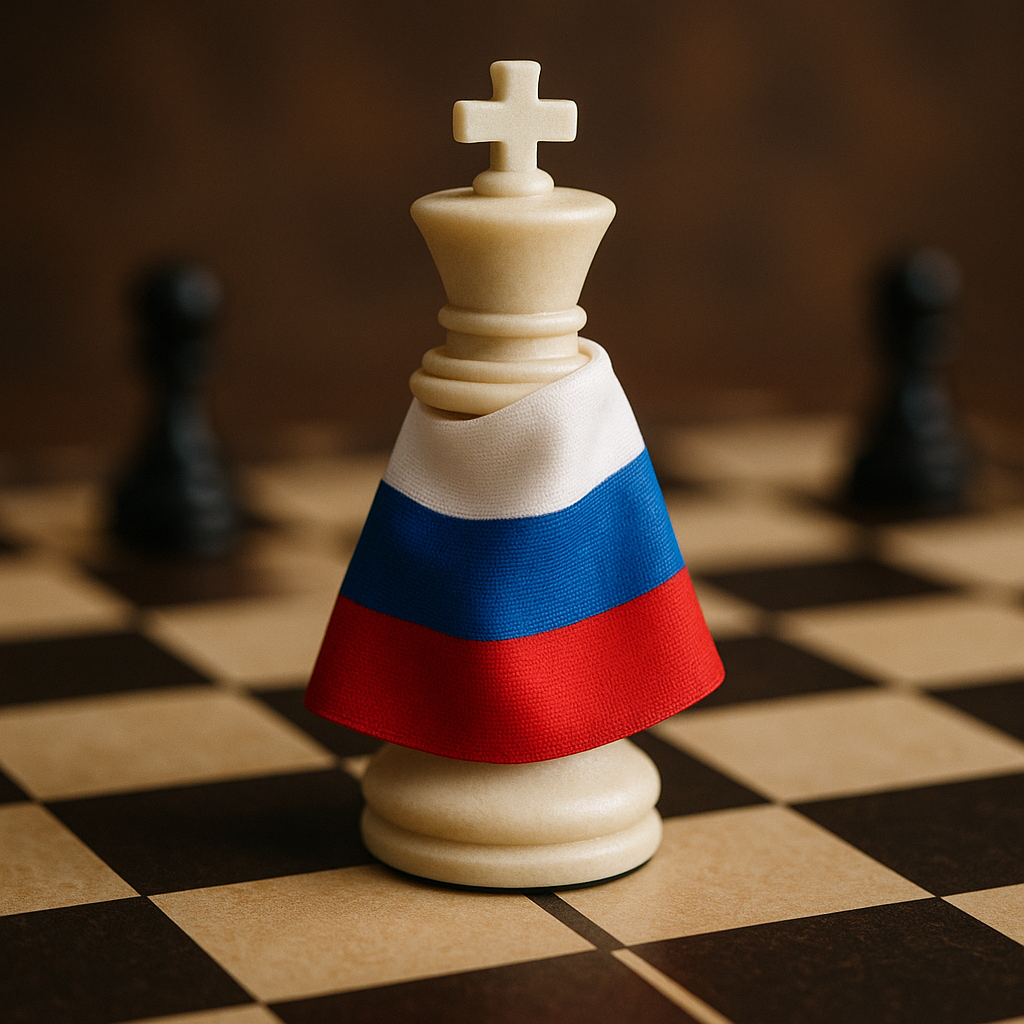
Ayanda Dlodlo becomes SA's Ambassador to France amid strained ties. Her intelligence background aims to navigate complex G7 fallout and economic imperatives.
South Africa is shaking up its diplomacy by sending Ayanda Dlodlo, a former security minister, as the new ambassador to France. This move aims to fix strained relations and navigate tricky global alliances. Dlodlo's unique background in intelligence and international finance is hoped to help South Africa balance its ties with Western countries and its BRICS partners. She faces big challenges, including the mysterious death of her predecessor and the need to protect important economic deals.
Who is Ayanda Dlodlo, and why was she appointed ambassador to France?
Ayanda Dlodlo is a former South African State Security Minister and intelligence specialist, appointed as ambassador to France by President Cyril Ramaphosa. Her selection is strategic, aiming to navigate strained Franco-South African relations, manage complex global alliances, and leverage her unconventional background in security and international institutions like the World Bank to address multifaceted diplomatic and economic challenges.
Get Cape Town news in your inbox
Stay updated with the latest stories from the Mother City.
A Calculated Appointment at a Critical Juncture
President Cyril Ramaphosa's decision to dispatch former State Security Minister Ayanda Dlodlo to Paris as South Africa's next ambassador stands among the most consequential diplomatic selections of his tenure in office. The 63-year-old intelligence specialist steps into this role at a moment when Franco-South African relations face unprecedented strains, her arrival timed to coincide with Ramaphosa's own working visit to France from July 10-12. This parallel scheduling suggests deliberate coordination rather than coincidence, with Pretoria seeking to maximize high-level engagement during a period when bilateral ties have shown troubling signs of deterioration.
Dlodlo inherits a post vacated under tragic and still-mysterious circumstances. Her predecessor, Nathi Mthethwa, perished in September 2025 after plummeting from the 22nd floor of a Paris hotel, an incident that French law enforcement continues to investigate. The shadow cast by this unresolved death adds an unusual psychological weight to her arrival, requiring sensitivity to embassy staff who have operated under exceptional stress while managing the routine demands of bilateral representation.
The broader context for this appointment extends well beyond personnel transitions. South Africa currently finds itself squeezed between competing great-power imperatives, its traditional posture of non-aligned independence increasingly challenged by demands for explicit allegiance. Ramaphosa's selection of an intelligence veteran for this particular posting signals recognition that conventional diplomatic tools have proven inadequate to current complexities, and that someone conversant in the clandestine dimensions of interstate relations may possess advantages unavailable to career Foreign Service officers.
The G7 Exclusion and Its Reverberations
The immediate backdrop for Dlodlo's deployment involves the diplomatic humiliation South Africa suffered in June 2025, when organizers abruptly withdrew Pretoria's invitation to the G7 summit at Évian-les-Bains. This reversal, reportedly engineered through intense American pressure and threats of boycott, stripped South Africa of its customary seat among elite global gatherings. Paris compounded the insult by extending participation rights to Kenya instead, while officially maintaining that Washington played no role in the decision - a disingenuous formulation that fooled no one familiar with summit diplomacy.
This episode exposed the unsustainable nature of South Africa's attempted balancing act between Western-aligned economic interests and its BRICS partnerships with Beijing and Moscow. For years, Ramaphosa's government has championed what it terms an "independent foreign policy," preserving military and economic cooperation with Russia while seeking to avoid comprehensive rupture with traditional Western partners. The G7 debacle demonstrates that this equivocation now invites punishment from all sides, with Western democracies increasingly unwilling to subsidize South African ambiguity through institutional inclusion.
France's own motivations in this affair merit particular attention. Having lost its military foothold across the Sahel through successive coups in Mali, Burkina Faso, and Niger - each expelling French forces and disrupting decades of neocolonial security architecture - Paris desperately seeks alternative continental anchors. South Africa's sophisticated economy, nuclear infrastructure, and residual leadership pretensions make it an obvious candidate for this role. Yet French policymakers simultaneously view Pretoria with suspicion, noting its receptivity to Russian Wagner Group operations in neighboring countries and its hosting of naval exercises with Chinese and Russian warships in late 2023.
An Unconventional Resume for Diplomatic Service
Dlodlo's professional trajectory defies the standard template for ambassadors to major Western capitals, who typically arrive with established personal networks in host countries and visible track records in international negotiation. Her entire career has unfolded within the shadows of state power - intelligence collection, internal security, and the bureaucratic machinery of secret-keeping.
Born in 1962, Dlodlo joined uMkhonto we Sizwe during the anti-apartheid struggle's most intense phase. Her subsequent assignment to Soviet military intelligence training during the 1980s placed her within the KGB's educational apparatus at precisely the moment when Moscow sought to cultivate reliable cadres for eventual governmental responsibilities. These formative experiences imparted technical capabilities and, presumably, enduring contacts within Russian security services that may prove relevant given Moscow's current expansion across African affairs.
The democratic transition found Dlodlo navigating the integration of MK personnel into newly constituted state structures, eventually ascending through ministerial portfolios including Communications and Public Service & Administration. Administrative competence characterized these tenures, but her August 2021 elevation to State Security Minister positioned her at ground zero when South Africa experienced its most severe domestic convulsion since apartheid's end.
The July 2021 civil unrest - triggered by Jacob Zuma's imprisonment for contempt - demonstrated catastrophic intelligence failures under Dlodlo's supervision. Orchestrated violence killed more than 350 people and inflicted billions in economic damage, with her ministry specifically faulted for failing to anticipate or disrupt the organized networks behind the destruction. Her April 2022 parliamentary resignation, followed by appointment as World Bank executive director, represented a period of professional reconstruction within multilateral circles.
This Washington-based interlude carried its own significance. Dlodlo's presence at World Bank headquarters coincided precisely with the nadir of US-South African relations, as Pretoria's Ukraine stance and Russian naval cooperation provoked American condemnation. Her simultaneous residence in Washington while Ramaphosa dispatched Roelf Meyer - another unconventional choice, given his National Party origins - as ambassador there suggests coordinated placement of experienced operators across both economic and political dimensions of American power projection.
Economic Stakes and Energy Transitions
Dlodlo's substantive mission in Paris centers on preserving commercial relationships that retain considerable importance despite political friction. Over 400 French enterprises maintain South African operations, spanning energy, defense, retail, and financial services. Corporate giants including TotalEnergies, Engie, and BNP Paribas anchor substantial African headquarters in Johannesburg, creating material interests that neither government wishes to sacrifice to diplomatic pique.
French capital has assumed particular significance as South Africa confronts its energy crisis. Chronic failures at Eskom, the state electricity monopoly dependent on aging coal infrastructure, have made the country a priority for French development finance targeting renewable transition. The Just Energy Transition Partnership - uniting France with Germany, Britain, America, and the European Union - initially committed $8.5 billion, though disbursement has lagged amid disputes over governance standards and coal retirement timelines.
Here Dlodlo's intelligence background may yield unexpected advantages. French commercial diplomacy historically coordinates closely with foreign intelligence services, particularly the Direction du Renseignement et de la Sécurité Économique, which specializes in economic intelligence and protection of corporate interests abroad. A South African representative fluent in intelligence cooperation protocols may access French decision-makers through channels unavailable to conventional diplomats, potentially circumventing bureaucratic obstacles that have frustrated previous negotiations.
Ceremonial Diplomacy and Historical Reinterpretation
Ramaphosa's July itinerary reveals additional strategic calculations beneath ceremonial appearances. His co-chairship of a UNESCO education committee addresses South African ambitions to influence global curricular reform, particularly the decolonization of educational content - a project resonating with French academic institutions currently undergoing their own post-colonial reckonings.
More symbolically charged is his scheduled participation in the 110th anniversary commemoration of the Battle of Delville Wood. This 1916 engagement saw South African forces suffer devastating casualties defending a French strategic position, subsequently enshrined in white South African military mythology as the baptism of an independent national army. The apartheid regime exploited this narrative to unify white constituencies while erasing black South African service from official memory.
Ramaphosa's attendance reframes Delville Wood within inclusive national sacrifice, honoring historical connections predating current diplomatic friction while implicitly requesting reciprocal French recognition of South Africa's contemporary strategic weight. The gesture acknowledges Paris's sustained remembrance of South African military contributions - even through the apartheid decades - as foundation for mutual obligation extending into present circumstances.
The Meyer Parallel: A Coordinated Deployment Strategy
Understanding Dlodlo's appointment requires examining its pairing with Ramaphosa's April 2025 selection of Roelf Meyer for Washington. Together these postings constitute a distinctive approach to representation in the two Western capitals most critical to South African prosperity and security. Meyer offers conservative American audiences credibility through his National Party past and subsequent negotiation prominence; Dlodlo contributes technical security expertise and multilateral institutional familiarity.
Both choices share a crucial characteristic: they place figures with substantial independent reputations and domestic constituencies in positions permitting greater operational autonomy than career diplomats typically enjoy. This pattern suggests Ramaphosa's recognition that standard diplomatic channels have proven insufficient to present challenges, necessitating personal envoys with direct presidential relationships capable of bypassing bureaucratic impediments in both capitals.
The parallel also illuminates South Africa's uncomfortable position between competing global visions. Meyer, the former apartheid official who negotiated alongside Nelson Mandela, symbolizes accommodation with American-led international order; Dlodlo, the Soviet-trained intelligence professional, embodies the alternative affiliations complicating that accommodation. Their simultaneous deployment to the two most consequential Western capitals indicates not inconsistency but rather sophisticated maintenance of multiple diplomatic identities within an increasingly polarized international environment.
Unresolved Circumstances and Embassy Continuity
One element Dlodlo cannot escape involves the ongoing investigation into her predecessor's death. French authorities continue examining the circumstances of Mthethwa's fatal fall, with the embassy itself potentially relevant to understanding his final movements and psychological state. No suggestion exists of South African official involvement in wrongdoing, yet the inquiry's unfinished status creates an exceptional environment for any successor's arrival.
Mthethwa arrived in Paris with substantial political experience from previous service as Arts and Culture Minister and Police Minister under Zuma, though limited direct diplomatic preparation. His death has eliminated whatever insights he developed regarding French policy calculations, obliging Dlodlo to reconstruct these networks from constrained starting conditions.
The episode also serves as reminder of psychological demands accompanying senior diplomatic postings, particularly during bilateral tension periods. French diplomatic culture imposes exceptionally rigorous social expectations, with ambassadors maintaining continuous visibility in Parisian elite circles that exhaust even under favorable circumstances. Dlodlo's own history of professional strain - her 2022 government departure followed acknowledged burnout - may require careful management within this environment.
Ramaphosa's gamble in dispatching Dlodlo to Paris rests on the premise that technical security expertise and World Bank exposure can substitute for traditional diplomatic credentials in stabilizing one of South Africa's most consequential bilateral relationships. This calculation reflects unprecedented pressures confronting South African foreign policy, squeezed between Western alignment demands and domestic plus BRICS-affiliated constituencies expecting sustained independence.
Whether Dlodlo's particular synthesis of Soviet-era training, post-apartheid ministerial experience, and multilateral exposure can succeed in repairing Franco-South African relations will become apparent with considerable speed. She arrives confronting immediate tests including G7 fallout management, energy partnership renegotiation, and delicate handling of her predecessor's unresolved legacy - challenges requiring precisely the combination of operational flexibility and institutional knowledge that her unconventional career has provided.
Who is Ayanda Dlodlo, and why was she appointed ambassador to France?
Ayanda Dlodlo is a former South African State Security Minister and intelligence specialist, appointed as ambassador to France by President Cyril Ramaphosa. Her selection is strategic, aiming to navigate strained Franco-South African relations, manage complex global alliances, and leverage her unconventional background in security and international institutions like the World Bank to address multifaceted diplomatic and economic challenges.
What challenges does Ayanda Dlodlo face in her new role?
Ayanda Dlodlo faces several significant challenges. These include repairing strained Franco-South African relations, managing the fallout from South Africa's exclusion from the G7 summit, protecting important economic deals, and navigating the complex landscape of global alliances, balancing ties between Western countries and BRICS partners. Additionally, she must contend with the lingering mystery surrounding the death of her predecessor, Nathi Mthethwa.
How does Ayanda Dlodlo's background prepare her for this diplomatic role?
Dlodlo's background is unconventional for an ambassador. She is a former State Security Minister with extensive experience in intelligence, including Soviet military intelligence training during the anti-apartheid struggle. Her career within the shadows of state power, combined with her recent tenure as an executive director at the World Bank, is seen as an asset to address the complex security, economic, and geopolitical challenges South Africa faces in its foreign policy.
What is the significance of the timing of Dlodlo's appointment?
Dlodlo's appointment is considered a calculated move by President Ramaphosa, timed to coincide with a critical juncture in Franco-South African relations. Her arrival in Paris is deliberately coordinated with Ramaphosa's own working visit to France, signaling a concerted effort to maximize high-level engagement and address deteriorating bilateral ties. It also follows South Africa's diplomatic humiliation at the G7 summit, making the repair of relationships paramount.
What economic interests are at stake in South Africa's relationship with France?
Significant economic stakes are involved. Over 400 French enterprises operate in South Africa across sectors like energy, defense, retail, and financial services. French capital is particularly crucial as South Africa grapples with its energy crisis, with the Just Energy Transition Partnership (JETP) involving France and other Western nations committing billions to support South Africa's shift to renewable energy. Protecting and expanding these commercial relationships is a key part of Dlodlo's mission.
How does Dlodlo's appointment relate to South Africa's broader diplomatic strategy?
Dlodlo's appointment is part of a broader, coordinated diplomatic strategy by President Ramaphosa. This is evidenced by her parallel deployment with Roelf Meyer, another unconventional choice, as ambassador to Washington. This strategy suggests a recognition that traditional diplomatic approaches are insufficient for current complexities. By sending figures with strong independent reputations and specialized expertise (like Dlodlo's security background and Meyer's political negotiation skills), Ramaphosa aims to navigate the country's uncomfortable position between Western-aligned interests and its BRICS partnerships, maintaining multiple diplomatic identities in a polarized international environment.

A Russian-Spanish journalist and Cape Town native, channels his lifelong passion for South Africa into captivating stories for his local blog. With a diverse background and 50 years of rich experiences, Serjio's unique voice resonates with readers seeking to explore Cape Town's vibrant culture. His love for the city shines through in every piece, making Serjio the go-to source for the latest in South African adventures.
View all articles →