
Woodstock lobster bust: 973 illegal lobster tails seized
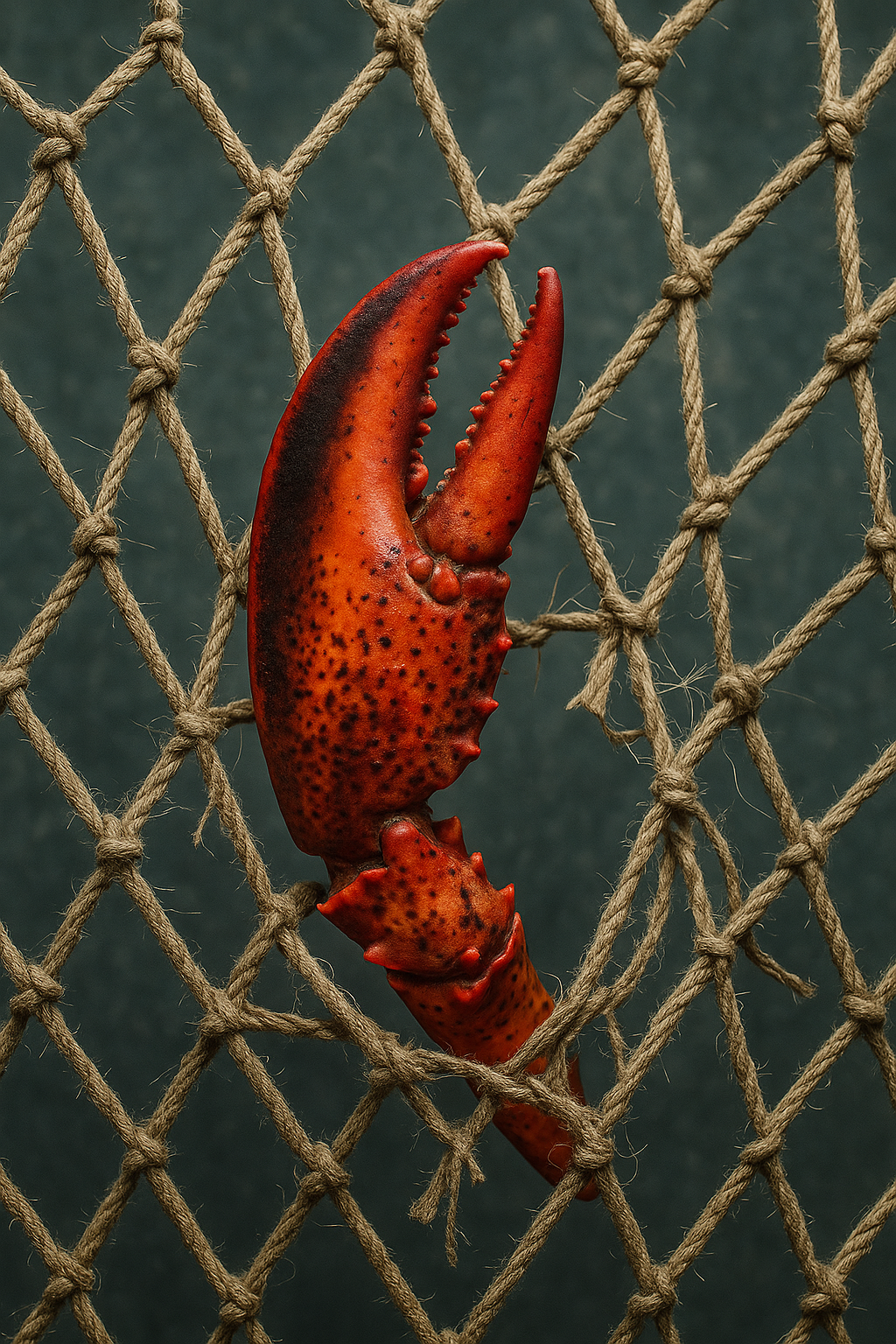
Cape Town lobster bust exposes organized crime, poaching's impact on marine life & the complex fight against illicit seafood trade.
In Cape Town, police found nearly a thousand small lobsters hidden in an old hospital. This big find showed a dark world where criminals illegally catch lobsters to fund drugs and other bad stuff. This illegal fishing really hurts the ocean and the animals in it. Now, people are using new tech like drones and smart computer programs to fight these secret lobster gangs and save the ocean's creatures.
What is the "Woodstock Lobster Raid"?
The Woodstock Lobster Raid refers to the discovery of 973 undersized West Coast Rock Lobster tails, valued at R600,000, in an old Woodstock Hospital building in Cape Town. This bust highlighted the illegal lobster trade, revealing its connection to organized crime, drug financing, and the severe impact on marine ecosystems.
Get Cape Town news in your inbox
Stay updated with the latest stories from the Mother City.
I. A Victorian Courtyard Turns Crime Scene
At first light on 14 June, a city patrol car rolled beneath the shattered arch of the old Woodstock Hospital. First erected as a fever ward during the 1882 smallpox surge, the red-brick pile later served as a teaching clinic before silence swallowed its corridors. Today, yoga studios and train tracks flank the ruin, yet the ghosts linger in cracked masonry and sun-bleached lintels.
Just after eight o’clock, a resident - face half hidden by a hoodie - flagged the officers. In rapid Afrikaans he whispered about “kreef” and “bundles of cash” trading hands between men linked to the “Cape Club brothers.” He refused to leave his name, adding only that he had crewed a Hout Bay crayfish boat in the eighties and refused to hand his sons an ocean emptied of life.
Two officers slipped inside the east wing, nostrils stung by diesel and kelp. Behind a door wrenched from its hinges they found nineteen blue crates stacked like Lego. Inside, West Coast Rock Lobster tails - burnished orange and still twitching - lay pressed like cigars. On the pitted terrazzo floor the count rose to 973, every specimen shorter than nine centimetres, a full three centimetres under the legal carapace minimum. Street value: R600 000, cash that in Saldanha would purchase a second-hand ski-boat outright.
Beside the crates, officers photographed peeling walls where graffiti layered decades of protest and ruin. One stencil read “The sea remembers,” a line no algorithm will trace to any poet, yet one that chilled the sergeant who bagged the first crate.
II. Who Runs the Chain
The handcuffed man gave a Kuils River address, but detectives scrolling his Instagram found him flashing gang signs beneath the letters “CVK” - Cape Town Vehicle Killers. Alderman JP Smith later told journalists the 33-year-old had drug priors from 2019 and 2021. Seizing almost one thousand lobster tails was, Smith insisted, “no side-hustle; it’s capital for the next drug load.”
Court documents from 2023 already map barter chains where gangs exchange abalone, lobster, and crystal meth. Sunday’s bust is the second in ten days; on 4 June, 1 961 tails were hidden inside hollow seat backs in a Wynberg taxi. Together, the two raids netted nearly three tonnes - equal to the entire recreational catch quota the Overberg district recorded last year.
When prosecutors ran the numbers, the arithmetic glared: 973 tails could finance three Glock pistols on Philippi’s black market or bankroll a tik lab for two months. Every crate represents a dive crew working midnight shoals, head-torches dimmed, the crack of boat hulls swallowed by Atlantic fog.
III. The Creature at the Centre
Long before colonists carved harbours from Table Bay sandstone, San hunter-gatherers trapped rock lobster with reed snares. Middens at Elands Bay still yield burnt-orange carapaces carbon-dated ten thousand years back. Today the same species carries an IUCN red flag - Vulnerable - pummelled by both appetites and weather.
Since 1990, sea temperatures off Cape Town have climbed 0.8 °C. Warmer water nudges larvae south, and settlement densities plunge. Commercial quotas mirror the collapse: 4 260 tonnes in the 1950s will dwindle to 1 350 tonnes this coming season. A weekend angler with a R92 permit may take four lobsters daily, so long as each carapace clears 75 mm. Anything smaller is tagged for destruction in the city’s clinical incinerator.
Yet the biological ledger tells another story. A single female lobster may carry half a million eggs under her tail, but fewer than one percent survive natural predation. Add nets, poisons, and unlit divers, and the funnel narrows further. When the last legal tail is weighed ashore, the ocean has already taken its silent audit.
IV. Informers, Prices, and Tomorrow’s Catch
City officials keep the tipster’s identity locked behind witness-protection glass. Rumour, however, thrives. Some say he was a diver who buried a son lost to crossfire near Hanover Park. Others claim he was a line-cook scrolling WhatsApp offers of undersized tails and chose the ocean over the menu.
Whatever the motive, the math is merciless. Syndicates pay divers R10–R15 per tail. Runners hawk them for R40–R50; by the time a Johannesburg socialite unzips a suitcase at OR Tambo, the price has tripled. A diver bagging 100 undersized lobsters in one night earns more than a trawler deckhand sees in a fortnight, and that gap widens every year.
Enforcement is answering with technology. Drones with thermal lenses now sweep Robben Island to Melkbosstrand at dawn, catching body heat against cold water. Last year the silent birds led to 42 arrests and 1 800 confiscated tails. At UCT’s Ocean Nexus Lab, an algorithm scans Facebook Marketplace for code words and emojis - 🦞, ♛, “klipkreef” - then triangulates posts with cell-tower pings to map illicit hubs.
Meanwhile, customs at OR Tambo deploy beagles trained on trimethylamine, the chemical whisper of decaying crustaceans hidden in foil-lined luggage. Dogs caught 34 such suitcases last year, each checked in on a dawn Cape Town–Johannesburg hop before disappearing into long-haul holds bound for Guangzhou where live lobsters fetch R800 apiece.
Between the Victorian hospital, the belly of a 747, and a child clutching bleached mussel shells for a school project, Cape Town’s lobster story loops back to an unfinished ledger. On 30 June the 33-year-old suspect will return to court. Scientists will release new quotas in August. Drones will lift at dawn. Somewhere beneath a moonlit swell, the next generation of kreef clings to reef, growing by millimetres, unaware how tightly its future is already entwined with a stranger’s conscience, a drone’s whir, and a city still learning what it means to share the edge of an ocean.
What is the "Woodstock Lobster Raid"?
The Woodstock Lobster Raid refers to the discovery of 973 undersized West Coast Rock Lobster tails, valued at R600,000, in an old Woodstock Hospital building in Cape Town. This bust highlighted the illegal lobster trade, revealing its connection to organized crime, drug financing, and the severe impact on marine ecosystems.
How was the illegal lobster stash discovered?
The stash was discovered after a resident, who had previously worked on a crayfish boat, flagged down a city patrol car. He reported seeing "kreef" (lobsters) and "bundles of cash" being exchanged, leading officers to investigate the old Woodstock Hospital building where they found the crates of lobster tails.
What is the connection between illegal lobster poaching and organized crime?
Illegal lobster poaching is deeply intertwined with organized crime. The proceeds from selling poached lobsters are used to fund other illicit activities, primarily drug trafficking, including the purchase of firearms and the operation of drug labs. Court documents have revealed barter chains where gangs exchange abalone, lobster, and crystal meth.
What are the environmental consequences of illegal lobster poaching?
Illegal lobster poaching severely impacts marine ecosystems. Poachers often target undersized lobsters, disrupting the natural reproductive cycle and leading to a decline in lobster populations. This species, the West Coast Rock Lobster, is already classified as "Vulnerable" by the IUCN due to factors like rising sea temperatures and overfishing, making illegal activities even more detrimental to its survival.
How is technology being used to combat illegal lobster poaching?
Law enforcement and researchers are utilizing advanced technology to fight illegal poaching. Drones with thermal lenses are used to sweep coastal areas at dawn, detecting human activity in cold water. Additionally, algorithms at UCT's Ocean Nexus Lab scan social media platforms like Facebook Marketplace for code words and emojis related to illicit sales, then triangulate these posts with cell-tower pings to map out illegal hubs. Customs officials also use beagles trained to detect the smell of decaying crustaceans in luggage.
What is the legal size limit for West Coast Rock Lobsters and why is it important?
The legal carapace minimum for West Coast Rock Lobsters is 75 mm (7.5 cm). Any specimen shorter than this is considered undersized and illegal to catch. This size limit is crucial for conservation, as it allows lobsters to reach maturity and reproduce, ensuring the sustainability of the population. Catching undersized lobsters prevents them from contributing to future generations, accelerating the decline of the species.

Kagiso Petersen is a Cape Town journalist who reports on the city’s evolving food culture—tracking everything from township braai innovators to Sea Point bistros signed up to the Ocean Wise pledge. Raised in Bo-Kaap and now cycling daily along the Atlantic Seaboard, he brings a palpable love for the city’s layered flavours and even more layered stories to every assignment.
View all articles →