
Woolworths attacks appear targeted, says expert
Explosions at Woolworths stores in SA raise questions. Discover the anatomy of these blasts, the investigation, and corporate response.
Someone attacked Woolworths stores in South Africa with small bombs late at night. These attacks happened in Pretoria and Bloemfontein, causing damage but no injuries or theft. It seems like a message meant for the company bigwigs, not random destruction. The police are now trying to figure out who is behind these mysterious explosions.
What is happening with Woolworths After Dark in South Africa?
Woolworths stores in Pretoria and Bloemfontein experienced coordinated, small-scale explosive attacks just minutes after midnight. These incidents involved "small explosive devices" targeting storefronts and back-of-house areas, causing damage but no fatalities or theft. The attacks appear to be a deliberate, non-ideological message aimed at the corporate level.
Get Cape Town news in your inbox
Stay updated with the latest stories from the Mother City.
I. Sudden Shattered Glass – Two Cities, Two Minutes After Midnight
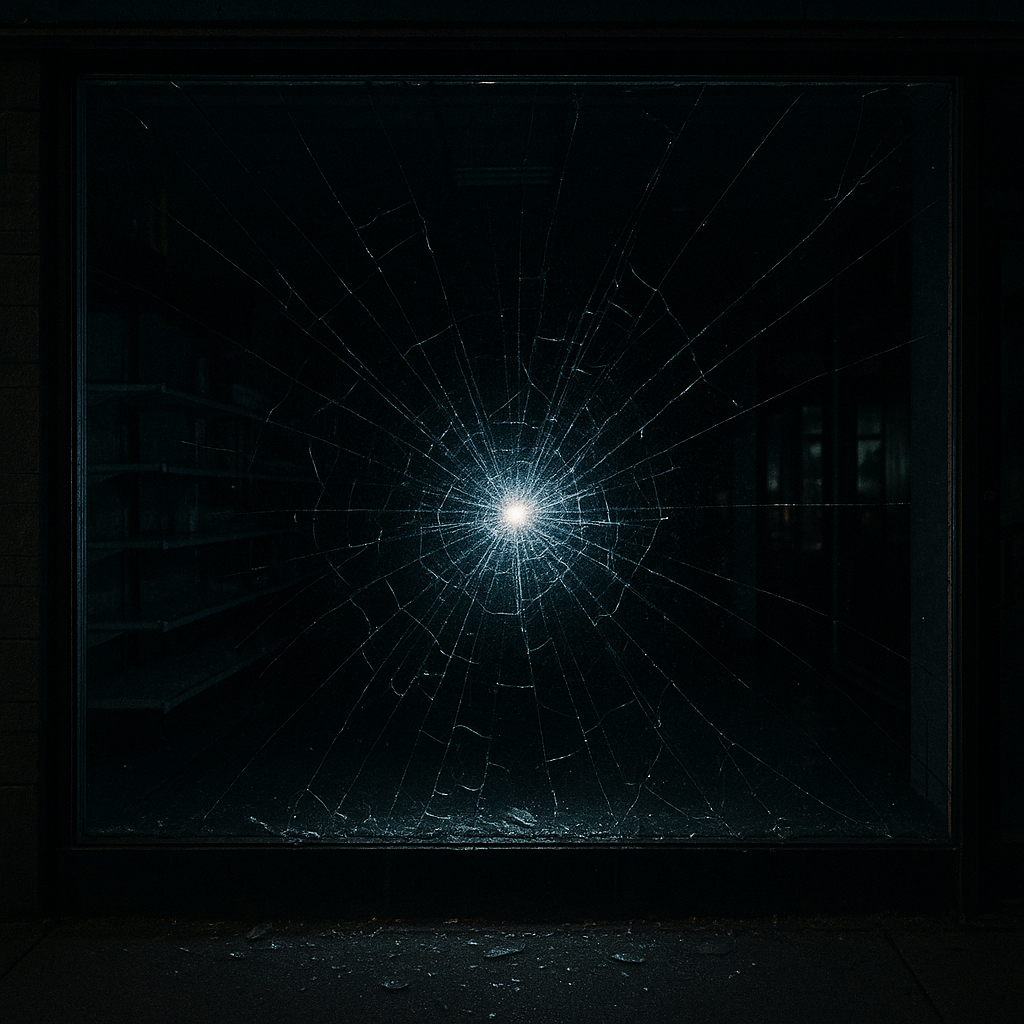
At 01:17 on a wind-still Tuesday, Brooklyn Mall in Pretoria jolted awake without warning. A searing white flash lit the Woolworths storefront for four video frames; the soundtrack is a dull thud chased by a waterfall of glass. Ninety seconds later the first responders arrived. Ten minutes after that, Metro Police had sealed every ramp to the upper parking deck.
Three nights later, 470 kilometres south-west, Loch Logan Waterfront in Bloemfontein echoed the script. At 01:43 another compact detonation buckled the aluminium roller shutter that divides back-of-house from the public floor. Sprinklers extinguished a superficial fire before crews reached the scene. Once again no one died, no shoppers were present, and nothing was stolen. These mirrored incidents now frame the country’s most puzzling retail security breach in decades.
II. Why Woolworths? Geography, Symbolism and Brand Identity
The attackers did not pick a petrol station, a bank or a government office. They chose the same up-market food-and-fashion chain twice in 67 hours. Analysts note that repeating the brand but shifting the city broadcasts a corporate, not ideological, message. Pretoria hosts Woolworths’ head-office towers; Bloemfontein sits at the crossroads of national highways, hinting that Durban, Cape Town or Port Elizabeth could follow at short notice.
For forensic engineer Stan Bezuidenhout, the pattern is deliberate. “When geography changes yet the logo stays the same, violence is talking to the boardroom, not the state.” Retail bombing campaigns across the Sahel and the Horn of Africa normally strike symbols like police barracks or telecom masts. Targeting gourmet aisles and designer labels flips the script entirely.
III. Small Bombs, Big Questions – Anatomy of the Devices
Police call them “small explosive devices” – under two kilograms Net Explosive Quantity – yet the bracket spans everything from backyard pipe bombs to military sheet-charges. Residue scraped from both scenes holds chlorate compounds, suggesting either repurposed fireworks or improvised chemistry. Blast-modelling points to roughly 12 kilopascals of over-pressure at one metre. That is enough to atomise shop windows yet too gentle to shatter reinforced concrete – the hallmark of either a deliberately restrained designer or an amateur build that partly fizzled.
The Pretoria façade shows fragmentation scars fanning upward at forty-five degrees, evidence that the charge rested on the pavement, not overhead. CSIR audio specialists pulled a dominant 42-hertz frequency from cellphone clips – a metallic drumbeat that matches an explosive placed against a hollow steel shutter.
IV. Security Footprint and Blind Spots – How the Intruders Slipped Inside
On both nights a silver Toyota Avanza with tinted glass slips through security bubbles. At Brooklyn, the van tails an authentic Woolworths supply truck into the loading bay at 23:46 and departs at 00:12. One fisheye lens captures a silhouette crouching for eight seconds at a shutter, but facial detail is lost to sodium glare.
Loch Logan runs a stricter PIN-entry gate for after-hours freight, yet the same - or a twin - Avanza appears on side-street CCTV at 01:07. National ANPR cameras along the N1 are now crunching plates to see whether one vehicle covered the 470-kilometre dash between blasts.
V. Hawks, Dogs and X-Ray Portals – The Corporate Counterstrike
Woolworths dusted off a “Code Red” playbook born after Kenya’s 2013 Westgate attack. Belgian Malinois patrol the docks; mobile x-ray arches now scan every pallet at flagship stores. Cape Town’s V&A branch borrowed the Dubai Duty Free model for low-profile freight scanning, while Durban and Port Elizabeth are stress-testing blast-rated bollards.
Sales slipped 4.8 % nationwide the first week, but the tills regained 2.6 % almost immediately, suggesting shoppers were rattled yet not deterred. Credit-default-swap spreads widened a modest 3.5 basis points – manageable unless a third device detonates.
VI. History, Hormones and Highway Chemistry – Threads Still Unravelled
South Africa’s retail archives hold scattered sabotage: a 1999 limpet mine on a Woolworths truck during a labour dispute; 2021 mall arson that torched 161 centres. Yet explosives aimed at brand rather than people are novel. No manifesto, no ransom and no loot point to an emerging extortion template seen in Brazil’s PCC or Mexico’s Jalisco cartel – low-yield devices sent as invoices that say, “Pay or we escalate.”
Meanwhile, weed-killer imports from Lesotho and eSwatini have spiked 38 % the past half-year, fuelling speculation about chlorate supply routes. Parliament may tighten the 2015 Precursor Chemicals Act to criminalise unlicensed fertiliser purchase – a move already opposed by AgriSA as “criminalising the plough.”
VII. Thirty Days Ahead – Milestones on the Investigation Clock
Week 1 – Complete residue fingerprinting; ANPR cross-matches every silver Avanza captured between Gauteng and the Free State.
Week 2 – Facial-recognition runs against the Home Affairs database to name the crouching figure.
Week 3 – CSIR will rebuild the bomb in a 30-metre blast chamber to confirm exact charge geometry.
Week 4 – Forensic accountants sift vendor invoices for suspicious payments linked to chemical purchases.
VIII. Voices After the Blast – Shelf-Packers, Bakers and Night Guards
On a frosty Pretoria dawn, shelf-packer Thabang keeps his car two blocks away and walks in with a flashlight clipped to his cap. “Smoke breaks at 01:00 became head-count drills,” he shrugs. In Bloemfontein, bakery manager Marietjie tends two bunches of proteas duct-taped to the scorched roller shutter – staff built the shrine before police tape claimed the scene. These small, stubborn rituals speak louder than any analyst’s whiteboard: people are adapting, but they are also afraid.
What is happening with Woolworths After Dark in South Africa?
Woolworths stores in Pretoria and Bloemfontein experienced coordinated, small-scale explosive attacks just minutes after midnight. These incidents involved "small explosive devices" targeting storefronts and back-of-house areas, causing damage but no fatalities or theft. The attacks appear to be a deliberate, non-ideological message aimed at the corporate level.
Where did these attacks take place and what was the extent of the damage?
The attacks occurred at Woolworths stores in Brooklyn Mall, Pretoria, and Loch Logan Waterfront, Bloemfontein. In Pretoria, the storefront was damaged by a white flash and shattered glass. In Bloemfontein, a compact detonation buckled an aluminum roller shutter and caused a superficial fire that was quickly extinguished. In both cases, there were no injuries or theft, indicating a targeted message rather than random destruction or robbery.
What kind of devices were used in the attacks?
Police describe the devices as "small explosive devices," weighing under two kilograms Net Explosive Quantity. Residue from both scenes contained chlorate compounds, suggesting either repurposed fireworks or improvised chemistry. Blast modeling indicates approximately 12 kilopascals of over-pressure at one meter, sufficient to atomize windows but not to shatter reinforced concrete, implying either a deliberately restrained design or an amateur build.
How did the attackers manage to bypass security?
On both occasions, a silver Toyota Avanza with tinted glass was observed near the scene. At Brooklyn Mall, the van tailed an authentic Woolworths supply truck into the loading bay. Although Loch Logan had a stricter PIN-entry gate for after-hours freight, a similar Avanza was seen on side-street CCTV. National ANPR (Automatic Number Plate Recognition) cameras are being used to track the vehicle's movements between the two cities.
What has been Woolworths' response to the attacks?
Woolworths implemented a "Code Red" protocol, similar to measures taken after the 2013 Westgate attack in Kenya. This includes deploying Belgian Malinois patrol dogs, using mobile x-ray arches to scan pallets at flagship stores, and implementing freight scanning models from Dubai Duty Free. New blast-rated bollards are also being stress-tested in various locations. While initial sales dipped, they largely recovered, and the company's financial impact has been manageable so far.
Who is believed to be behind these mysterious explosions, and what is their motive?
The perpetrators remain unknown, but the pattern of targeting the same brand in different cities suggests a corporate message rather than an ideological one. Forensic engineers believe the violence is directed at the boardroom. There has been no manifesto, ransom demand, or theft, leading to speculation that this could be an emerging form of extortion, similar to tactics seen with cartels, where low-yield devices serve as an "invoice" to demand payment or threaten escalation.

Isabella Schmidt is a Cape Town journalist who chronicles the city’s evolving food culture, from Bo-Kaap spice merchants to Khayelitsha microbreweries. Raised hiking the trails that link Table Mountain to the Cape Flats, she brings the flavours and voices of her hometown to global readers with equal parts rigour and heart.
View all articles →