
Youth healthcare advocates champion nutrition education in South Africa
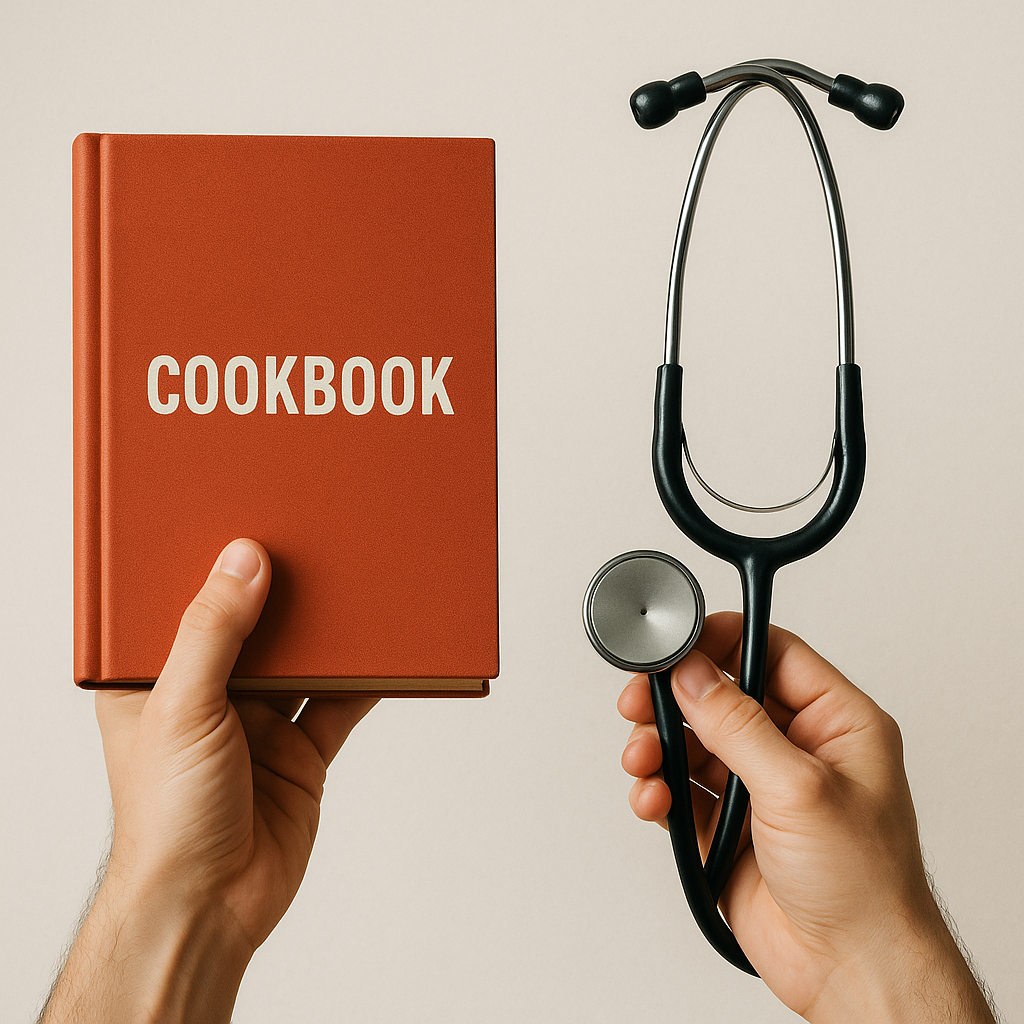
South Africa's healthcare students are rewriting medical education, blending culinary skills with clinical knowledge to tackle diet-related diseases.
South Africa's PAN University is shaking up medical education, training future doctors to see food as powerful medicine. Across seven universities, students now learn to cook healthy meals, understand food systems, and connect diet to disease, making them 'health guardians' who 'treat plates before pills.' This innovative approach, from kitchen labs to community workshops, aims to tackle diet-related illnesses and reshape health from the ground up.
What is PAN University in South Africa?
PAN University is a new initiative across seven South African universities that integrates food literacy and nutrition into medical curricula. It emphasizes that future clinicians should prioritize treating plates before pills, teaching students about food systems, cooking, and community-based nutritional interventions alongside traditional medical subjects to combat diet-related diseases.
Get Cape Town news in your inbox
Stay updated with the latest stories from the Mother City.
Quiet Rebellion on Seven Campuses
In lecture theatres where textbooks once ruled, a different kind of white coat now smells faintly of nutmeg and garlic. Seven universities have launched PAN University chapters, quietly uprooting conventional medical syllabi. Pharmacokinetics gets the same clock time as perfecting a spice base; renal physiology now competes with rolling fibre-rich dumplings. Every PowerPoint shows a QR code that links directly to township seed banks and open-source plant-based archives. Instead of arguing about blood-pressure drugs in hushed seminar rooms, students simmer a low-salt samp-and-bean pot while crunching glycaemic load numbers in real time. The shared belief: tomorrow’s clinicians must treat plates before pills.
Mapping the Forces That Shape What People Eat
The Long Shadow of Spatial Apartheid
Before they ever touch a patient, learners study the 30-year-old Soweto mother with metabolic syndrome. The exercise starts with coloured overlays: red for apartheid-era township zoning, grey for the disappearance of urban farms in the 1980s, orange for supermarket chains that swapped spinach aisles for crisps, and black for the 2021 riots that erased dozens of small greengrocers in KwaZulu-Natal. By the end of the mapping session the class can see how geography scripts biology.
Distance Inflates Disease
Students zoom in closer. A household more than three kilometres from a fresh-produce stall carries a 46 % higher risk of uncontrolled blood glucose than a household inside a five-hundred-metre radius. Price charts add insult: a litre of cola often costs less than a single apple. When the data appears, conversation dwindles to the soft scrape of pens and the hum of laptops.
Reforging the Syllabus: From Elective to Imperative
Anatomy of a Mandatory Block
Stellenbosch’s second-year medics no longer “opt in” to food literacy. They face a three-week block called “Food Systems & Health” that carries the same credit weight as cardiology or pulmonology. The checklist is uncompromising:
- weigh clinical evidence for plant-forward diets
- calculate the rand-for-rand difference between ultra-processed and whole-food meals
- invent a four-day meal plan for five people living on R60 a head that still hits 100 % of macro- and micronutrient targets
- prove knife safety and culinary technique by actually cooking that menu under exam conditions
Half the grade is on paper, half on the plate. Burnt brown rice? Automatic repeat. Dr Ziyanda Msimang, the module lead, reminds every cohort, “An avoidable amputation costs more than over-salted grains.”
Failure Is Not Theoretical
During the most recent sitting, three students sliced fingers instead of onions and one batch of rice emerged as charcoal. All four repeated the rotation. The policy is unapologetic; the health system, they say, can’t afford complacency.
Dawn Raids on Industrial Kitchens
Boot-Camp Logistics
Once a term, hotels and catering colleges throw open their doors at 6 a.m. Forty final-year students shuffle in, eyes puffed, hairnets tugged tight. Eight frenetic hours later they leave with new muscle memory: how to ferment tangy amasi, how to build legume burgers that undercut beef on price and iron density, and how to steam a one-pot “hospital cauldrons” dish that can feed forty patients without a micronutrient missed.
Every Dish Has a Data Tag
Each recipe carries footnotes in plain English. The sorghum-pumpkin potjie attachment reads: “Pair the pumpkin with a teaspoon of peanut oil - fat doubles beta-carotene uptake - and sorghum tannins blunt post-meal glucose spikes by 30 %.” After plating, students price the portion, compare it with a local fast-food combo, and watch the home-cooked option win by 30–40 % while adding three extra vegetable servings.
Students in Township Halls
Ingredients, Stipends and Bluetooth Beats
Bursary holders must spend one Saturday a month in community halls. PAN hands over a R3 000 food stipend, a single-burner induction plate and a Bluetooth speaker. Students crowd-source recipes with local gogos, yielding dishes such as morogo-potato mash and mung-bean bunny chow. Blood-pressure cards track participants before and after four weekly sessions. Early data: 8 mmHg average systolic drop among regulars.
Demand Spreads Like Aroma
Requests have mushroomed. Shembe church elders want weekend classes. Taxi-rank managers invite lunchtime demos. Word travels mostly by mouth and by kettle drum of spiced aromas drifting across concrete courtyards.
Recipes Ripped from the Lab Bench
From Molecules to the Taxi Queue
Students don’t settle for slogans like “vegetables equal health.” They learn how rooibos flavonoids flick the Nrf2 switch to dampen oxidative stress, and why Lactobacillus rhamnosus GG in amasi can tighten a leaky gut in toddlers. They then mine Cochrane meta-analyses to confirm that trimming 5 % of body weight through diet slashes the odds of sliding from pre-diabetes into type 2 by 58 %. The trick is distilling that evidence into a single sentence that survives the roar of a minibus taxi and the skepticism of a tired patient.
Lightning-Quick Talking Points
One index card reads: “Swap a daily cold drink for water and walk fifteen minutes - you cut diabetes risk by half.” Another: “Add a cup of beans to supper; it feeds gut microbes that calm blood sugar for the next twenty-four hours.”
An App That Works Without Data
Offline and Under 35 MB
Named “Ukutya Kwakho” (isiXhosa for “your food”), the Android app weighs just 34 MB. It packs 120 ninety-second videos: how to sprout cowpeas in a jam jar, steam greens in a dented tin pot, whip a peanut-sweet-potato smoothie via hand-crank. A built-in price tracker crowdsources till slips to flag the week’s cheapest beans or maize meal in each province.
Field Test in Lusikisiki
Eastern Cape villagers downloaded the file via Bluetooth and SD-card “sneakernets.” Within eight weeks the install count passed 12 000. Developers now layer voice prompts in isiZulu, seSotho and Afrikaans, ensuring no one needs literacy or bandwidth to eat better.
When Physios Season the Pot and Pharmacies Spice the Rack
Cross-Faculty Choreography
Physiotherapy students now run “culinary kinematics” labs. They time how many wrist flexions a cook needs to julienne two kilograms of carrots, then design stretches to prevent carpal tunnel. Pharmacy students craft iron-fortified seasoning sachets from dehydrated beet peel and moringa. Psychology postgrads pilot three-minute motivational scripts to curb 2 a.m. vetkoek cravings.
Research Surprises
A joint honours group is testing whether cooking together raises antiretroviral adherence among HIV-positive teens. Early field notes: teens who pound chilli-tomato relishes together show 15 % fewer missed doses.
Recipes for Parliament
Numbers That Move Budget Lines
During 2024 Health Promotion Levy hearings - aka the sugary-drinks tax - PAN students dropped a five-minute animation in the National Assembly: every 10 g cut in daily added sugar prevents 44 000 new type 2 diabetes cases and saves R2.1 billion in state drug budgets. Treasury asked for the spreadsheets before the microphones cooled.
School Lunch 2.0
The Department of Basic Education is trialling a grade-9 sequence that ties the national feeding scheme to non-communicable-disease outcomes. Lesson three ends with learners tasting a three-bean samp salad that costs less than a packet of cheese puffs.
Food, Mind and Planet in One Breath
Co-benefits in One Ladle
Students present the triple win:
- Legumes emit 250× less greenhouse gas per gram of protein than beef.
- Sardine stews rich in omega-3s reduce depressive symptoms in cash-strapped households.
- Balcony spinach gardens in Gugulethu flats yield enough greens to cancel two weeks of store-bought veg, cutting both carbon footprints and grocery anxiety.
Spinach on the Seventh Floor
One resident proudly shows researchers her repurposed two-litre Coke bottles lined like soldiers along a balcony rail. Each produces enough spinach over winter to negate a R60 taxi fare to the supermarket.
Money, Bags and Rooibos
The Rooibos Trade-Off
Seed funding dried up until the South African Rooibos Council inked a five-year deal: they fund bursaries; PAN tracks rooibos polyphenol intake and blood-pressure trends.
Corporate Wellness and Handmade Bags
Corporate catering gigs - where students serve miners heart-smart lunches - generate extra cash. Hessian tote bags sewn by a Philippi women’s cooperative sell at supermarket checkouts, funnelling money back into ingredient stipends.
Five-Year Alumni Tracking
Early Signals
Of the 2023 graduating class, 78 % now habitually counsel patients on diet, versus the national clinician average of 23 %. Six out of ten have planted hospital-based gardens linked to electronic health records. Ethics approval for longitudinal data mining is already stamped and filed.
Taste Memory as Medicine
Pre-Colonial Pantry Revival
Dietitian Michaela Kruger runs masterclasses on amadumbe (taro) corms that release carbs as slowly as quinoa at one-fifth the price. Students ferment umqombothi into low-alcohol probiotic porridge and sun-dry mango peels for diabetic-friendly teas, tying science to nostalgic flavours.
Borders and Bandwidth: The Pan Lite Toolkit
Francophone Expansion
Botswana’s medical school wants a franchise. Kenya’s health ministry sent observers for two weeks. A Creative Commons “PAN Lite” bundle - curriculum map, budget template, open videos - drops September 2025. French translations are under way for the Democratic Republic of Congo, where post-conflict cities see obesity and hypertension soar.
Genetics Meet Grits
Swab, Genotype, Customise
At the University of Cape Town, cheek swabs reveal FTO rs9939609 variants linked to refined-carb cravings. Students with the risk allele practice batch-cooking lentil stews that blunt ghrelin surges. The message: medicine will move from one-size-fits-all to heritage-meets-genome.
Steam, Drumbeats and Shared Futures
Thursday Night in Khayelitsha
At 7 p.m. the Anglican church hall vibrates with laughter. Final-year students and grandmothers haggle over salt spoons, test the stretch of dough for vetkoek, stir pots of cumin-laced sweet-potato curry. Between bites, blood-pressure cuffs hiss and recipes swap hands. No lecture could teach the chemistry of hope that rises with the steam.
{"faq": [{"question": "### What is PAN University in South Africa?", "answer": "PAN University is an innovative initiative launched across seven South African universities. Its core mission is to transform medical education by integrating food literacy and nutrition into the curriculum. The program trains future doctors to view food as powerful medicine, emphasizing the concept of 'treating plates before pills.' Students learn about food systems, healthy cooking, and community-based nutritional interventions alongside traditional medical subjects to combat diet-related illnesses prevalent in the region."}, {"question": "### How does PAN University integrate food and nutrition into medical education?", "answer": "PAN University uproots conventional medical syllabi by making food literacy a mandatory, credit-bearing component. For example, second-year medical students at Stellenbosch undertake a three-week 'Food Systems & Health' block, with the same credit weight as cardiology. This block includes practical cooking exams, meal planning for specific budgets and nutritional targets, and clinical evidence assessment for plant-forward diets. Students also participate in community workshops, industrial kitchen boot camps, and develop recipes with data tags explaining their nutritional benefits."}, {"question": "### What specific skills do medical students learn at PAN University?", "answer": "Students gain a diverse set of practical and theoretical skills. They learn culinary techniques, knife safety, and how to prepare healthy, affordable meals such as legume burgers and one-pot hospital dishes. They also analyze food systems, understand the impact of spatial apartheid on food access, calculate glycemic loads, and assess the cost-benefit of whole foods versus ultra-processed options. Beyond cooking, they learn to translate complex nutritional science into simple, actionable advice for patients and engage in community outreach."}, {"question": "### How does PAN University address the social determinants of health and food access?", "answer": "The curriculum directly addresses social determinants by mapping the impact of apartheid-era zoning, the disappearance of urban farms, and the rise of supermarket chains on food environments. Students learn how living more than three kilometers from a fresh-produce stall significantly increases the risk of uncontrolled blood glucose. They also develop meal plans that are affordable for low-income households and participate in community workshops, bringing nutritional education and food stipends to townships, directly combating food insecurity and poor dietary choices."}, {"question": "### What innovative tools and outreach methods does PAN University employ?", "answer": "PAN University utilizes various innovative tools, including an Android app called \"Ukutya Kwakho\" (Your Food) that works offline and is under 35 MB. This app features 120 short videos on cooking techniques and a crowd-sourced price tracker for local produce. For community outreach, students use single-burner induction plates and Bluetooth speakers to conduct cooking demonstrations in township halls, often creating recipes with local elders. The program also involves cross-faculty collaboration, with physiotherapy students designing culinary kinematics labs and pharmacy students creating fortified seasoning sachets."}, {"question": "### What impact has PAN University had so far, and what are its future plans?", "answer": "Early data shows promising results, with an 8 mmHg average systolic blood pressure drop among regulars at community sessions. Alumni tracking indicates that 78% of 2023 graduates habitually counsel patients on diet, significantly higher than the national average. Six out of ten have also established hospital-based gardens. Future plans include expanding internationally, with Botswana and Kenya showing interest, and developing a \"PAN Lite\" toolkit for broader adoption. The university also influences policy, providing data to parliament on the health and economic benefits of dietary changes, such as the sugary-drinks tax and school lunch programs."}]}

Oliver Daniels is a Cape Town journalist who chronicles the intersection of food, migration and identity in South Africa's kitchens—from wood-fired Gugulethu braai spots to Constantia vineyards. Born and raised on the slopes of Devil’s Peak, he still starts each week with a dawn walk across Table Mountain to catch the first Atlantic light before filing copy.
View all articles →