1 min read
south african football pitso mosimane soccer schools

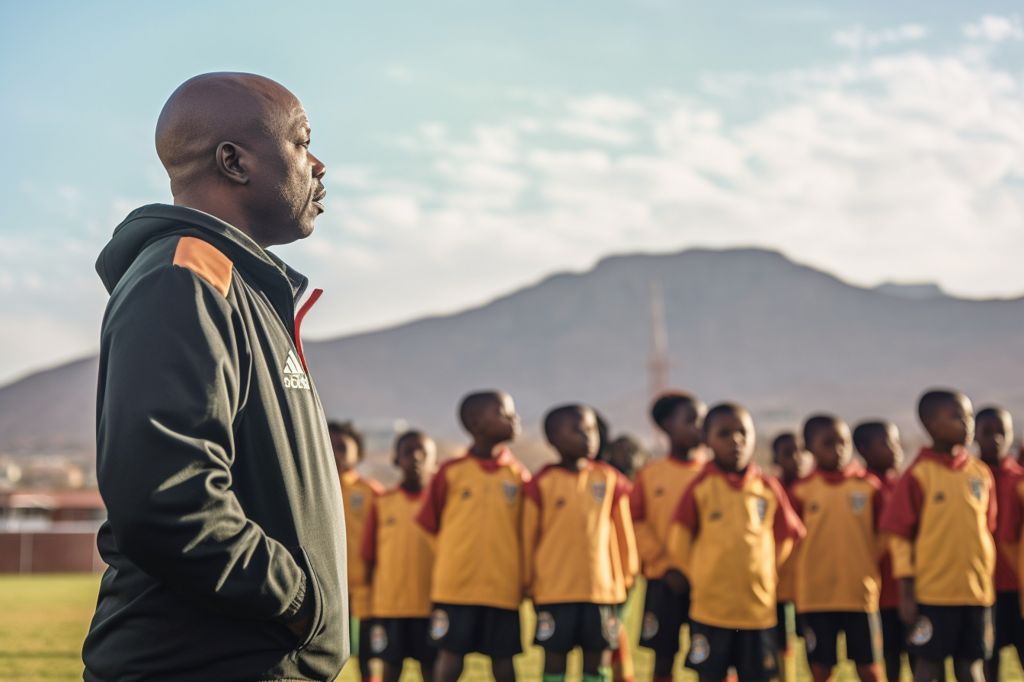
Pitso Mosimane, a well-known figure in South African football, has taken a significant step in developing the country’s next football generation by launching the Pitso Mosimane Soccer Schools (PMSS) in collaboration with Curro. The objective is to create an environment that fosters young talents’ growth and development.

Tlou Molekwane’s role

Tlou Molekwane, a former defender and a name unfamiliar to many Kaizer Chiefs supporters, will be part of the PMSS coaching staff. Although his time with Amakhosi was brief, his passion for the sport makes him a valuable addition to the team.

Newsletter

Stay Informed • Cape Town

Get breaking news, events, and local stories delivered to your inbox daily. All the news that matters in under 5 minutes.

Join 10,000+ readers
No spam, unsubscribe anytime

PMSS’s collaboration with SAFA

Mosimane emphasizes that PMSS is not an outsider but works alongside the South African Football Association (SAFA). The coaches hired have undergone SAFA’s CAF D license course, ensuring PMSS complies with SAFA’s guidelines.

PMSS coaches selection criteria

PMSS coaches are selected based on their proficiency in football development programs and their geographical proximity to the areas they will serve. This approach strengthens the grassroots aspect of the initiative, fostering a deeper and genuine connection between the coaches and students.

Coach education program

PMSS implements an intensive coach education program that evaluates potential coaches’ ability to comprehend and implement the program’s philosophy and principles. Augustine Makalakalane oversees the process.

PMSS’s mission and partnership with Curro

PMSS aims to elevate South African football to new heights by enhancing grassroots football and providing a platform for coaches to refine their skills. The partnership with Curro highlights the shared goal of fostering growth and development within South Africa’s football community.

PMSS’s momentum continues to grow, shaping the future of South African football. Tlou Molekwane’s journey from an Amakhosi player to a critical figure in the PMSS coaching staff serves as an inspiration to aspiring football coaches. PMSS’s continued growth and evolution promise more success stories, solidifying its position as a driving force behind South African football’s future.


Michael Jameson is a Cape Town-born journalist whose reporting on food culture traces the city’s flavours from Bo-Kaap kitchens to township braai spots. When he isn’t tracing spice routes for his weekly column, you’ll find him surfing the chilly Atlantic off Muizenberg with the same ease he navigates parliamentary press briefings.

Leave a Reply

Your email address will not be published.

Previous Story

Empowering the Youth through Tourism: A Community Engagement Initiative

Next Story

Tete Dijana, Comrades Marathon Victor: A Tale of Perseverance and Passion

Latest from Blog

From Randburg to the Record Books: How Tyla Rewrote Pop History in 2:45

Tyla, a young artist from Randburg, South Africa, exploded onto the music scene with her song “Chanel.” This catchy tune, made simply on headphones, became a massive hit without biglabel help. Thanks to TikTok and Spotify’s smart playlists, her music found millions of listeners globally. Tyla’s success shows that a great song, shared widely online, can now rewrite music history and reach the top charts, even from far away. She owns her music, giving her power that earlier artists never had.

Cape Town’s “Red Wedge”: How a 900-Metre Airport On-Ramp Became South Africa’s Most Watched Kill-Zone

{“summary”: “The \”Red Wedge\” in Cape Town is a dangerous 900meter stretch of airport road. It’s famous for terrible crimes like carjackings and smashandgrabs, making it South Africa’s most watched ‘killzone.’ This area was poorly designed in the 1970s, which now helps criminals ambush cars. Even with many cameras, police struggle to stop the quick attacks. Now, a big wall is being built, and new tech like drones and special apps are helping to fight back against the robbers.”}

South Africa’s 2025 Beef Surge: When Biology, Red Tape and a Thirsty Planet Collide

South African beef prices shot up in 2025, not because of local good news, but because the world ran short of red meat. Fewer cattle everywhere and China’s pork problems made other countries hungry for South African beef. Even with local sickness and people here buying less, farmers made more money. They sold to new places like the Middle East, using special tricks to get around problems. But the future is tricky, with animal sickness, changing weather, and how much money is worth all playing a part in what happens next for South African beef.

A Province That Won’t Stop Knocking on the Constitutional Door

The Western Cape really wants to break away from South Africa, but it’s super hard because of the law. The country’s main rule says South Africa must stay as one, and changing that is almost impossible. Even though many people in the Western Cape feel left behind and want to control their own future, the government keeps saying ‘no’. So, for now, the Western Cape has to find other ways to get more power without leaving the country.