
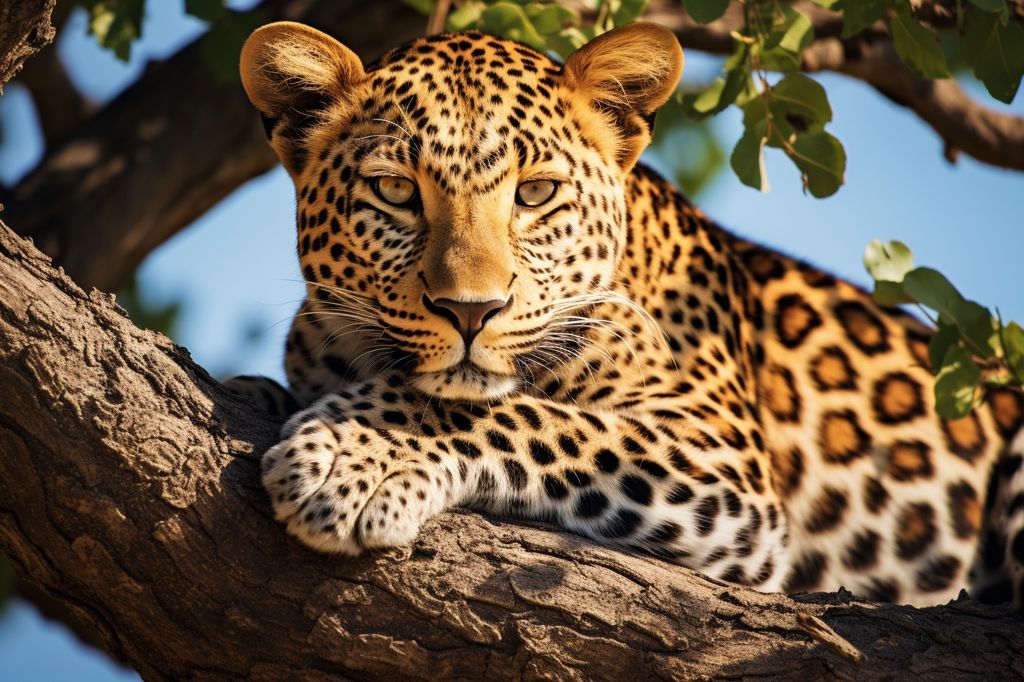
A recent sighting of a leopard in the Agulhas Plain has sparked excitement and curiosity among wildlife enthusiasts and local residents alike. The event took place near the Nuwejaars Wetlands Special Management Area (NWSMA), an organization dedicated to the conservation of this enigmatic species.
Rare Sighting in the Overberg Region
The sighting by farmer Trevor October is a rare occurrence, and images of the leopard have quickly spread across the internet, fueling speculation about the growth of the leopard population in the area. Ross Kettles, the operations manager of NWSMA, acknowledged the uniqueness of the sighting, stating that such encounters are incredibly rare, especially during daylight hours.
Study Conducted by Cape Leopard Trust
In collaboration with the Cape Leopard Trust, a study was conducted to examine the leopard population within the NWSMA and throughout the broader Overberg region. Dr. Katy Williams, the research and conservation director for the Cape Leopard Trust, led the five-month investigation utilizing 86 camera trap sites. The study revealed that the density of leopards in the Overberg region is relatively low compared to other areas like the Boland and the Cederberg. Researchers identified 24 adult leopards and 7 juveniles, with 50 leopard sightings recorded.
Importance of Conserving Cape Leopards
Leopards are classified as vulnerable worldwide, with all African leopards belonging to the same subspecies. Cape leopards differ considerably from their savanna counterparts in terms of size. Dr. Williams notes that male Cape leopards weigh only around 35 kg on average, compared to the 61 kg average for male savanna leopards. Furthermore, these elusive creatures occupy vast territories and exist at significantly lower population densities.
Kettles emphasizes the importance of conserving these last apex predators of the Cape, stating that they have lived secretly in the fynbos for hundreds of thousands of years. Their nocturnal habits, combined with low numbers, make sightings particularly uncommon. However, he assures that there is no cause for alarm if a leopard is spotted, as they will almost always retreat from humans.
Guidelines for Those Lucky Enough to Spot a Leopard
For those lucky enough to spot a leopard in the Overberg, here are some helpful guidelines:
1. Savor the moment; you are witnessing a rare and extraordinary sight.
2. Capture a photograph, if possible, and share it with the location on the Cape Leopard Trust’s online leopard database at app.capeleopard.org.za.
3. Remain calm and poised. While caution is necessary when encountering any predator, Cape mountain leopards are typically wary of humans and will likely retreat unless they feel threatened or cornered. In the rare instance of aggression, a slow, non-confrontational retreat without turning your back is advised.
4. Whenever possible, contribute to the protection of these magnificent animals by reporting potential threats, such as illegal wire snares.
The mysterious leopards of the Overberg region offer a unique opportunity for both wildlife enthusiasts and casual observers alike to appreciate South Africa’s hidden gems while promoting their conservation for generations to come. Conservation initiatives, like those championed by the NWSMA and the Cape Leopard Trust, are crucial to their survival. Protecting their habitat and partnering with organizations is vital for their continued existence.