Ivilitex is a new clothing and textile manufacturing facility in Cape Town that aims to increase the share of locally produced apparel from 44% to 65% by 2030. The facility employs state-of-the-art technology that streamlines the manufacturing and washing of garments while reducing environmental impact. With plans to produce 1,500 units daily and 33,000 units monthly, Ivilitex’s high-tech approach to manufacturing heralds a new phase in the evolution of the local clothing and textile sector.
A Groundbreaking Initiation: Ivilitex’s Entry into the Textile Industry
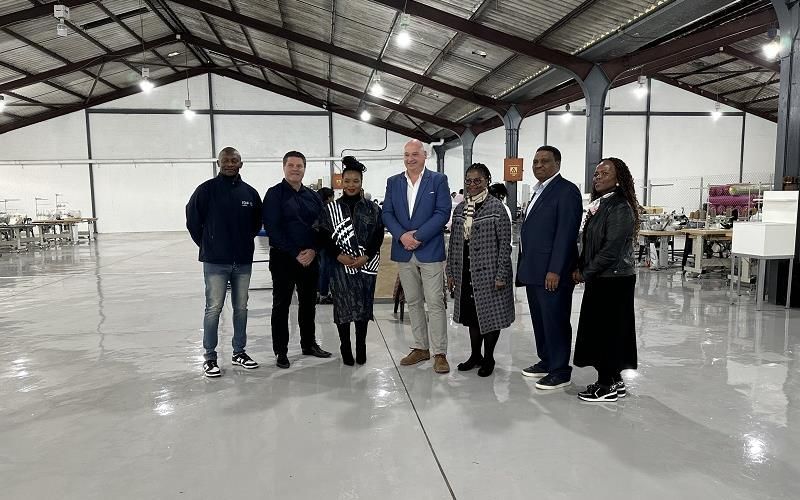
On September 26, 2023, a fresh era in Cape Town’s clothing and textile industry commenced with the inauguration of Ivilitex, an avant-garde manufacturing facility located in Epping. As a division of Ivili Group, this inventive garment manufacturer, owned by South African women, aims to elevate the share of locally produced apparel from the present 44% to 65% by 2030. Their vision complements the growing trend of supporting local businesses and stimulating economic expansion.
Alderman James Vos, the City’s Mayoral Committee Member for Economic Growth, had the chance to meet the Ivili Group’s founders a year prior to the inauguration, helping them establish connections with other suppliers and stakeholders in the clothing supply chain. Bearing witness to the company’s advancement and its prospective influence on the broader textile sector, Alderman Vos highlights the significance of networking prospects in the industry’s expansion.
Ivilitex plans to commence its production with jeanswear specifically designed for the local retailer market. The facility employs state-of-the-art technology that streamlines the manufacturing and washing of garments while reducing environmental impact. Impressively, a pair of jeans can be created in under 13 minutes. As the facility approaches its full staffing capacity of several hundred employees, it aims to produce 1,500 units daily and 33,000 units monthly.
Strengthening Cape Town’s Textile Landscape
Diverse clothing and textile enterprises—from small and medium-sized firms to large retailers—thrive in Cape Town, making their presence felt on the global stage. The local industry accounts for 14% of manufacturing employment in the country, supporting between 60,000 and 80,000 jobs, with 23,800 individuals employed in Cape Town itself.
A report by the Cape Clothing and Textile Cluster (CCTC), a Special Purpose Vehicle (SPV) financed and endorsed by the City to foster sectoral skills development and investment, suggests that the local industry holds the potential to create at least 20,000 additional jobs in the Mother City.
The integration of Ivilitex into Cape Town’s textile environment offers a chance to delve into the nexus of art and technology within this historically abundant industry. As a city renowned for its dynamic culture and creativity, Cape Town has been a catalyst for multiple artistic movements, spanning from traditional craftsmanship to modern fashion design. Ivilitex’s high-tech approach to manufacturing heralds a new phase in the evolution of the local clothing and textile sector.
Ivilitex’s Impact: Environmental Sustainability and Employment Opportunities
By adopting cutting-edge machinery, Ivilitex not only improves production efficiency but also fosters environmental sustainability. This dedication to eco-friendly practices mirrors an increasing global awareness of the need to lessen the environmental impact of the fashion industry. With consumers becoming more cognizant of their ecological footprint, businesses like Ivilitex are poised to play a vital role in shaping a sustainable and flourishing clothing and textile market.
Ivilitex’s endeavor also holds considerable potential to enhance employment prospects in the region. As Cape Town solidifies its position as a center for innovation and economic development, the creation of thousands of jobs in the clothing and textile sector will likely have a cascading effect on the city’s overall affluence. In the long term, these new job opportunities can contribute to poverty reduction, better living standards, and social mobility for numerous individuals and their families.
In summary, Ivilitex symbolizes a thrilling milestone in Cape Town’s clothing and textile industry’s ongoing progress. By integrating advanced technology, advocating sustainable practices, and generating substantial employment, Ivilitex is propelling the city towards a brighter, more dynamic future—one pair of jeans at a time.
What is Ivilitex?
Ivilitex is a new clothing and textile manufacturing facility in Cape Town that aims to increase the share of locally produced apparel from 44% to 65% by 2030.
Who owns Ivilitex?
Ivilitex is owned by South African women and is a division of Ivili Group.
What is the production capacity of Ivilitex?
Ivilitex plans to produce 1,500 units daily and 33,000 units monthly.
What kind of apparel will Ivilitex produce initially?
Ivilitex plans to commence its production with jeanswear specifically designed for the local retailer market.
How does Ivilitex’s technology streamline manufacturing and washing of garments?
Ivilitex employs state-of-the-art technology that streamlines the manufacturing and washing of garments. Their machinery can create a pair of jeans in under 13 minutes.
What is the potential impact of Ivilitex on the textile industry in Cape Town?
Ivilitex’s high-tech approach to manufacturing heralds a new phase in the evolution of the local clothing and textile sector. The creation of thousands of jobs in the clothing and textile sector will likely have a cascading effect on the city’s overall affluence.
How does Ivilitex support environmental sustainability?
By adopting cutting-edge machinery, Ivilitex not only improves production efficiency but also fosters environmental sustainability. They are dedicated to eco-friendly practices mirroring an increasing global awareness of the need to lessen the environmental impact of the fashion industry.
How does Ivilitex fit into Cape Town’s textile landscape?
Ivilitex’s integration into Cape Town’s textile environment offers a chance to delve into the nexus of art and technology within this historically abundant industry, and it holds the potential to create at least 20,000 additional jobs in the Mother City.