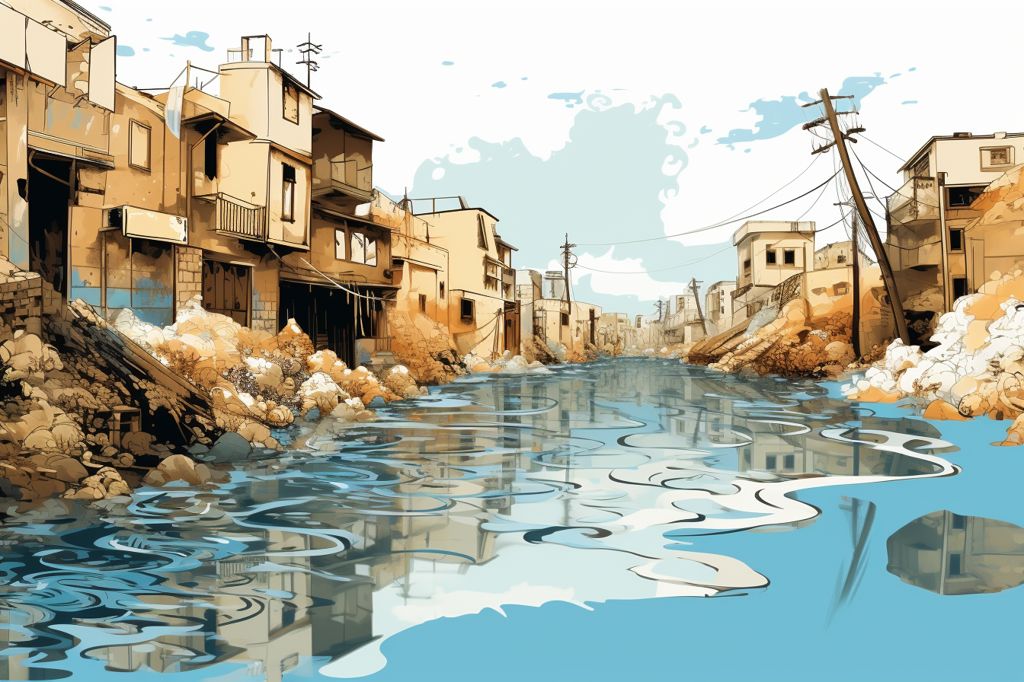
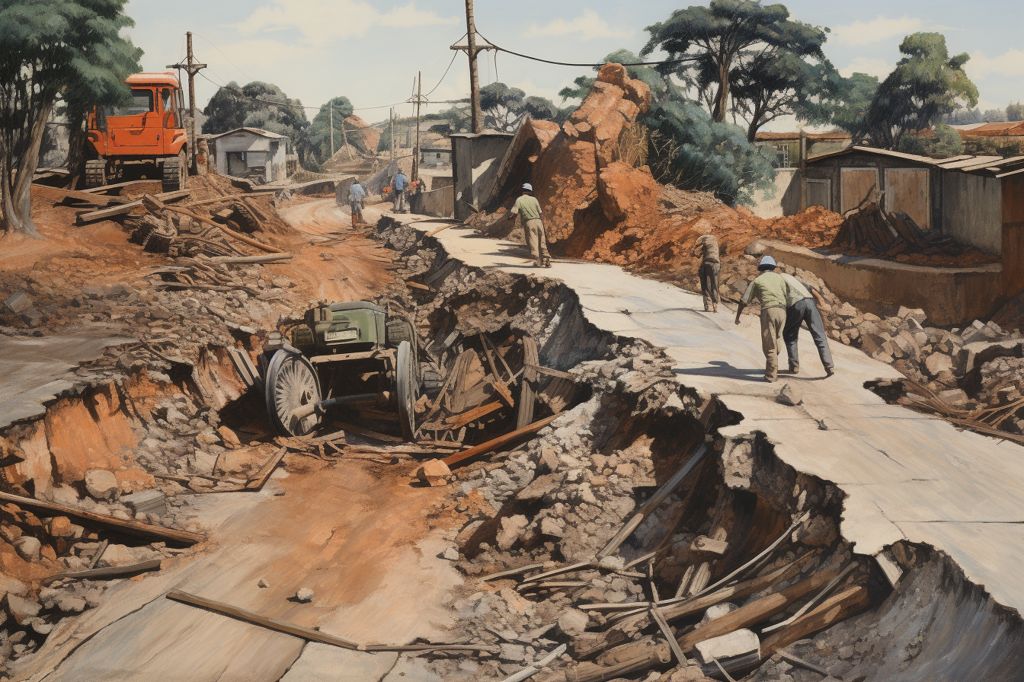
The Western Cape region has been hit by a powerful winter storm causing widespread destruction. The Western Cape Disaster Management Centre is taking immediate action to restore services and rebuild the affected areas. The recovery efforts aim to overcome infrastructure and communication challenges, and address urgent needs for vulnerable communities. Despite the obstacles, the combined efforts of various stakeholders ensure that the region will rise again, stronger than ever before.
Rebuilding After the Storm
The Western Cape region recently experienced a powerful winter storm that caused widespread destruction. Now that the weather has improved, the Western Cape Disaster Management Centre has taken immediate action to restore services and rebuild the affected areas. This article explores the ongoing recovery efforts, focusing on the obstacles faced by various stakeholders and their collaborative efforts to return life to normalcy.
The storm’s aftermath left numerous municipalities in chaos, with infrastructure suffering extensive damage and thousands of people needing assistance. The Department of Water and Sanitation reported that the average dam level in the province currently stands at an impressive 97%, which is promising for water security. However, there were lingering concerns over the rising levels of the Breede River, which have finally started to decline.
Western Cape Minister of Local Government, Environmental Affairs and Development Planning, Anton Bredell, noted that municipalities have been asked to evaluate the damage and share their findings with the Provincial Government. These assessments will be used to justify a disaster declaration to the National Disaster Management Centre, which is necessary to qualify for potential financial assistance. Bredell has also appealed to the President for humanitarian aid, stressing that this is the top priority.
Addressing Urgent Needs
The situation’s urgency cannot be overstated, as numerous people in rural and isolated areas require immediate assistance. Bredell is seeking support from the Department of Social Development and the South African Social Security Agency (SASSA) to reach these vulnerable communities. In addition, the South African National Defence Force (SANDF) is being asked to provide engineering support for temporary roads and bridges, as well as aerial support for evacuations and logistics in inaccessible areas.
As assessments continue, the City of Cape Town reports that 3,986 structures and 4,449 people require assistance. Meanwhile, over 30 areas are still awaiting formal assessment. Rescue operations in the Overstrand region continue, with road access being re-established to aid these efforts.
The South African National Roads Agency Limited (SANRAL) has implemented a stop-and-go system on the N1 at De Doorns, while engineers have examined the washed-away N2 section at Botriver. Conversations with SANDF are taking place to provide a temporary solution through a mobile bridge.
Overcoming Infrastructure and Communication Challenges
In addition to infrastructure hurdles, communication has been impacted in some areas. Pringle Bay and Bredasdorp are without cell reception, and a helicopter has been dispatched to restore infrastructure in the mountainous regions. Other municipalities are also supplying water tankers for Overstrand to address their water-related issues.
Several farms in Breede River Municipality remain unreachable due to washed-away roads. Plans are underway to provide affected residents with food and other essentials. In Franschhoek, road access is expected to be reestablished within the next 24 hours, but the Central Business District remains without electricity.
Eskom, the power utility, has made progress in repairing major faults, and power in affected areas like Khayelitsha and Caledon should be restored soon. Smaller faults will be addressed as resources become available.
The Red Cross is leading the coordination of donations, and relief work is being conducted across all affected areas. Currently, 3,250 people are receiving food from aid agencies, as coordinated by SASSA. As the demand for assistance grows, efforts to lobby the national government and monitor the situation will persist.
Resilience and Determination in the Face of Adversity
As the Western Cape region struggles with the aftermath of the devastating winter storm, it is encouraging to see the combined efforts of various stakeholders, from the provincial government to local organizations and individuals. Although the road to recovery may be lengthy, the resilience and determination of the people involved ensure that the region will rise again, stronger than ever before.
To stay informed about events in your immediate area, please contact your local disaster centre. Assistance and relief work continues to be provided by various agencies and organizations, working tirelessly to restore services and provide much-needed support to those affected by the winter storm.
1. What caused the widespread destruction in the Western Cape region?
The Western Cape region was hit by a powerful winter storm that caused widespread destruction.
2. What immediate action is the Western Cape Disaster Management Centre taking?
The Western Cape Disaster Management Centre is taking immediate action to restore services and rebuild the affected areas.
3. What are the recovery efforts aiming to do?
The recovery efforts aim to overcome infrastructure and communication challenges, and address urgent needs for vulnerable communities.
4. What is necessary to qualify for potential financial assistance?
A disaster declaration to the National Disaster Management Centre is necessary to qualify for potential financial assistance.
5. What urgent needs are being addressed in rural and isolated areas?
Vulnerable communities in rural and isolated areas are being reached out to by the Department of Social Development and the South African Social Security Agency (SASSA) for immediate assistance.
6. What is being done to overcome infrastructure and communication challenges?
The South African National Defence Force (SANDF) is being asked to provide engineering support for temporary roads and bridges, as well as aerial support for evacuations and logistics in inaccessible areas.
7. What organizations are coordinating donations and relief work?
The Red Cross is leading the coordination of donations, and relief work is being conducted across all affected areas.
8. What ensures the region will rise again, stronger than ever before?
The combined efforts of various stakeholders, from the provincial government to local organizations and individuals, ensure that the region will rise again, stronger than ever before.