Children from Samora Machel and Philippi communities in Cape Town took part in traditional games over the Heritage Day weekend, celebrating South Africa’s rich heritage and exploring their cultural roots. The event featured games such as morabaraba, iintonga, ncuva, and dibeke, promoting teamwork, coordination, and interpersonal skills while enabling participants to rediscover their cultural heritage. The success of the event highlights the enduring appeal of indigenous games in contemporary society and emphasizes the importance of preserving cultural traditions in the era of rapid technological progress and globalization.
Embracing Tradition and Cultural Identity
Over the Heritage Day weekend in Cape Town, 100 children from the Samora Machel and Philippi communities embarked on a journey to explore their cultural roots by participating in traditional games. The event served as a celebration of South Africa’s rich heritage and provided an opportunity for young people to reconnect with their ancestry. Featuring a variety of games like morabaraba, iintonga, ncuva, and dibeke, the children were fully engaged in a process of cultural exploration and discovery.
Coach Neo Mbongo, the event organizer, highlighted the significance of these indigenous games in reminding children of their cultural roots, as well as their identity. He noticed that many youngsters from Cape Town were not familiar with iintonga, a traditional stick game, when visiting the Eastern Cape. By participating in these games, children not only develop physical abilities but also gain a deeper understanding of their cultural identity.
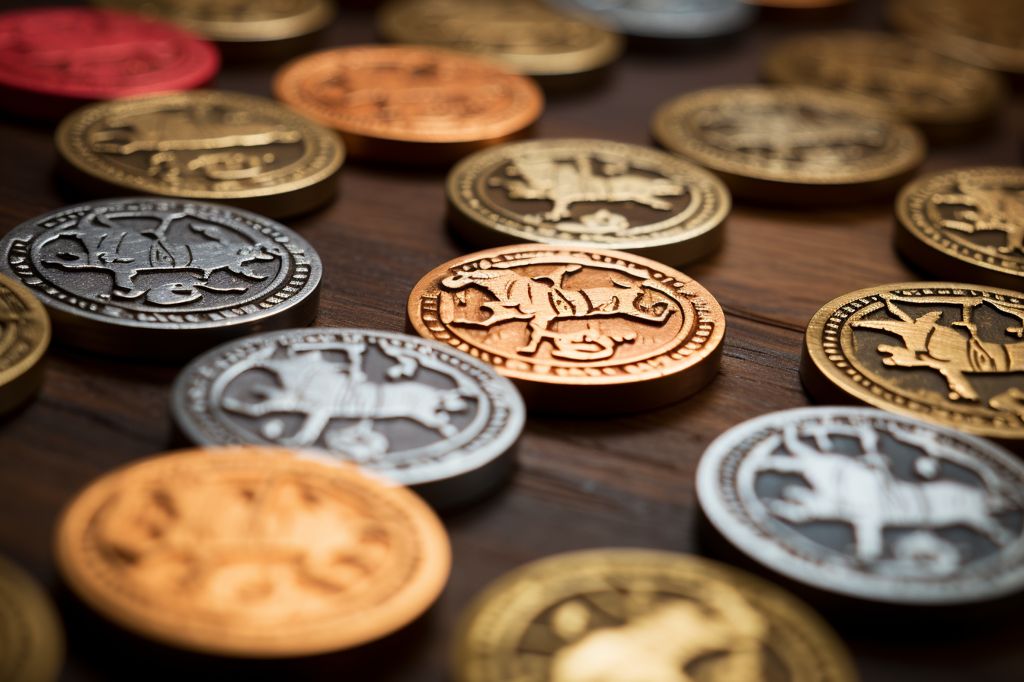
Morabaraba, an ancient strategic board game played throughout Africa and Asia for about 800 years, involves two players, each with 12 tokens or “cows.” The goal is to form a row of three cows on the board, allowing the player to remove an opponent’s cow. Ultimately, the aim is to eliminate as many of the other player’s cows as possible.
Fostering Teamwork and Collaboration
Iintonga, another indigenous game, emphasizes the importance of camaraderie and cooperation. Players use sticks to play the game, which promotes teamwork and coordination. Through iintonga, children learn about the significance of collaboration in their cultural heritage.
Ncuva, a competitive board game for two players, uses 187 marbles or pebbles on a board with 48 holes. Players strategically move their marbles counterclockwise, attempting to capture as many of their opponent’s marbles as possible. Historically played by men or boys in grazing fields to pass the time, ncuva has persisted as a cultural activity that spans generations.
Dibeke, a kick-and-run ball game, involves two teams of six players each, with equal representation of male and female players. The attacking team’s objective is to kick the ball away from the defending team, who must use their hands to regain possession. A score is achieved when the attacking team moves the ball down the entire length of the field. The game’s name, dibeke (weeks), signifies its enduring popularity among young children who play it week after week.
Bridging the Past and the Present
The Heritage Day event in Samora Machel and Philippi is more than just an opportunity for children to play games; it serves as a bridge between the past and the present. The traditional games offer a unique learning experience, enabling youngsters to explore the customs and practices of their ancestors. Through participating in these activities, they develop a deeper understanding of their cultural roots and the diverse history that has shaped South Africa.
Furthermore, the event encourages a sense of community and shared experience among the participants. As they tackle the challenges of each game, the children develop interpersonal skills and build connections with one another. The spirit of camaraderie that arises from playing these games is a vital aspect of their cultural heritage and a basis for personal development.
The success of the Heritage Day event in Samora Machel and Philippi illustrates the enduring appeal of indigenous games in contemporary South African society. As children engage themselves in these traditional activities, they not only rediscover their cultural roots but also acquire essential life skills. By embracing and honoring their heritage, the young participants of this event are creating a brighter and more culturally enriched future for themselves and their communities.
In an era of rapid technological progress and globalization, preserving cultural traditions is more critical than ever. By motivating children to explore their heritage through indigenous games, we can nurture a greater appreciation and understanding of the diverse and dynamic tapestry that forms South African society. And it is through this shared appreciation that future generations can continue to celebrate and honor the rich cultural legacy that defines their identity.
What is the Heritage Day event in Cape Town?
The Heritage Day event in Cape Town is an annual celebration of South Africa’s rich heritage, where children from the Samora Machel and Philippi communities participate in traditional games to explore their cultural roots.
What are some of the traditional games played at the event?
Some of the traditional games played at the event include morabaraba, iintonga, ncuva, and dibeke.
What skills are promoted through these traditional games?
These traditional games promote skills such as teamwork, coordination, interpersonal skills, and strategic thinking.
Why are indigenous games important for children?
Indigenous games are important for children as they provide an opportunity to reconnect with their ancestry and develop a deeper understanding of their cultural identity.
What is the significance of iintonga?
Iintonga, a traditional stick game, emphasizes the importance of camaraderie and cooperation in cultural heritage.
What is the history of morabaraba?
Morabaraba is an ancient strategic board game played throughout Africa and Asia for about 800 years, involving two players, each with 12 tokens or “cows.”
How does the Heritage Day event bridge the past and present?
The Heritage Day event in Samora Machel and Philippi serves as a bridge between the past and present by enabling youngsters to explore the customs and practices of their ancestors.
What is the importance of preserving cultural traditions?
Preserving cultural traditions is crucial in an era of rapid technological progress and globalization as it helps nurture a greater appreciation and understanding of the diverse and dynamic tapestry that forms South African society.