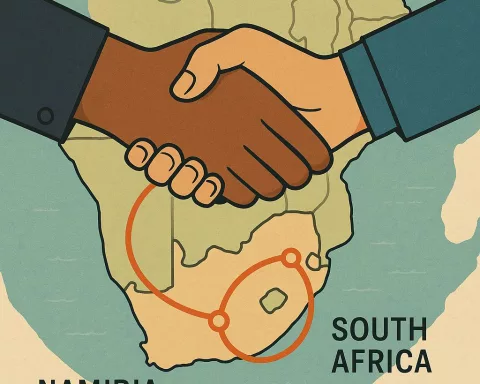
A traffic inspector in South Africa, Vincent Madiga, has been convicted and imprisoned for accepting a bribe, reminding us that no one is above the law. The conviction underscores the effectiveness of joint operations in fighting corruption among traffic officers, with Madiga being arrested during Operation Siyabangena, a collaboration between the National Traffic Anti-Corruption Unit of the Road Traffic Management Corporation (RTMC) and the Hawks in 2018. The RTMC’s endorsement of the ruling showcases the organization’s dedication to holding traffic officers accountable for their actions and demonstrates the power of collaboration between different law enforcement agencies.
In a world where corruption is often widespread, it is refreshing to see the strong arm of justice taking action against those who exploit their positions of power. The recent conviction and imprisonment of a traffic inspector in Limpopo, South Africa, serves as a reminder that no one is above the law. In this instance, traffic officer Vincent Madiga was caught red-handed accepting a bribe, which led to his eventual conviction.
The Road Traffic Management Corporation (RTMC) has publicly supported the verdict handed down by the Mokopane Magistrate Court on October 2, 2023. Madiga was found guilty of accepting a R200 bribe from an undercover anti-corruption agent from RTMC, resulting in a three-year prison sentence without the option of a fine.
Madiga’s conviction underscores the effectiveness of joint operations in fighting corruption among traffic officers. He was arrested during Operation Siyabangena, a collaboration between the National Traffic Anti-Corruption Unit of the RTMC and the Hawks in 2018, aimed at eradicating corrupt traffic officers and sending a strong message that crime does not pay.
Tackling Corruption: The Importance of Accountability and Collaboration
The RTMC’s endorsement of the ruling is significant, as it showcases the organization’s dedication to holding traffic officers accountable for their actions. Madiga’s conviction not only serves as a deterrent for others contemplating corrupt activities, but also ensures that he will no longer be able to work as a traffic officer due to his criminal record. In essence, the RTMC has successfully removed a “bad element” from the ranks of traffic officers.
Operation Siyabangena has been successful in combating corruption. A total of 13 traffic officers were arrested as part of the operation, with their cases currently ongoing in various courts in the province. Some have already been imprisoned for their offenses, demonstrating the effectiveness of this anti-corruption initiative.
Examining the details of this case allows us to better understand the implications for law enforcement and society as a whole. The successful prosecution of a traffic officer for accepting a bribe emphasizes the power of collaboration between different law enforcement agencies. The joint efforts of the National Traffic Anti-Corruption Unit of the RTMC and the Hawks highlight the strength derived from pooling resources, skills, and expertise in the pursuit of justice.
Additionally, Madiga’s sentencing serves as an important lesson for other traffic officers who may be tempted to engage in corrupt practices. The message is clear: crime does not pay, and those who seek to profit from illegal activities will ultimately face the consequences.
Furthermore, removing corrupt individuals from positions of authority is critical in rebuilding public trust in law enforcement and government institutions. When citizens can trust that their officers are acting with integrity and upholding the law, they are more likely to cooperate with and support law enforcement efforts.
The Fight Against Corruption Continues
Operation Siyabangena exemplifies the proactive, collaborative approach necessary to effectively combat corruption. As more corrupt traffic officers are brought to justice, it is hoped that others will be deterred from engaging in similar activities.
The impact of Madiga’s conviction and sentencing reaches beyond the confines of the individual case. It offers a glimmer of hope that the tide may be turning against corruption, with law enforcement working together to address the issue head-on. While there is still much work to be done, this case serves as a testament to the progress that has already been achieved.
As the fight against corruption continues, it is crucial to remember the importance of transparency, collaboration, and accountability. All stakeholders, from individual citizens to government institutions, must contribute to the ongoing effort to eradicate corruption and restore faith in the rule of law. Only then can society truly thrive and progress, free from the damaging effects of corruption.
In conclusion, the case of Vincent Madiga serves as a potent reminder that the fight against corruption is far from over. However, through joint efforts and unwavering determination, progress can and will be achieved. As Operation Siyabangena and similar initiatives continue to expose and prosecute corrupt individuals, we can take solace in the knowledge that the wheels of justice continue to turn, and that no one, regardless of their position or authority, is above the law.
1. Who is Vincent Madiga?
Vincent Madiga is a traffic inspector who was convicted and imprisoned for accepting a bribe in South Africa.
2. What was Madiga convicted of?
Madiga was convicted of accepting a R200 bribe from an undercover anti-corruption agent from the Road Traffic Management Corporation (RTMC).
3. What is the RTMC, and what is their response to Madiga’s conviction?
The RTMC is the organization responsible for managing road traffic in South Africa. They have publicly supported the verdict handed down by the Mokopane Magistrate Court, showcasing their dedication to holding traffic officers accountable for their actions.
4. What is Operation Siyabangena?
Operation Siyabangena is a collaboration between the National Traffic Anti-Corruption Unit of the RTMC and the Hawks in South Africa, aimed at eradicating corrupt traffic officers.
5. How successful has Operation Siyabangena been?
Operation Siyabangena has been successful in combating corruption, resulting in the arrest of 13 traffic officers. Some have already been imprisoned for their offenses.
6. What is the significance of Madiga’s conviction?
Madiga’s conviction serves as a deterrent for others contemplating corrupt activities and ensures he will no longer be able to work as a traffic officer due to his criminal record. It also highlights the power of collaboration between different law enforcement agencies and emphasizes the importance of holding individuals accountable for their actions.
7. What is the importance of removing corrupt individuals from positions of authority?
Removing corrupt individuals from positions of authority is critical in rebuilding public trust in law enforcement and government institutions. When citizens can trust that their officers are acting with integrity and upholding the law, they are more likely to cooperate with and support law enforcement efforts.
8. What is the ongoing effort to eradicate corruption and restore faith in the rule of law?
The ongoing effort to eradicate corruption and restore faith in the rule of law includes transparency, collaboration, and accountability. All stakeholders, from individual citizens to government institutions, must contribute to this effort to truly thrive and progress, free from the damaging effects of corruption.