
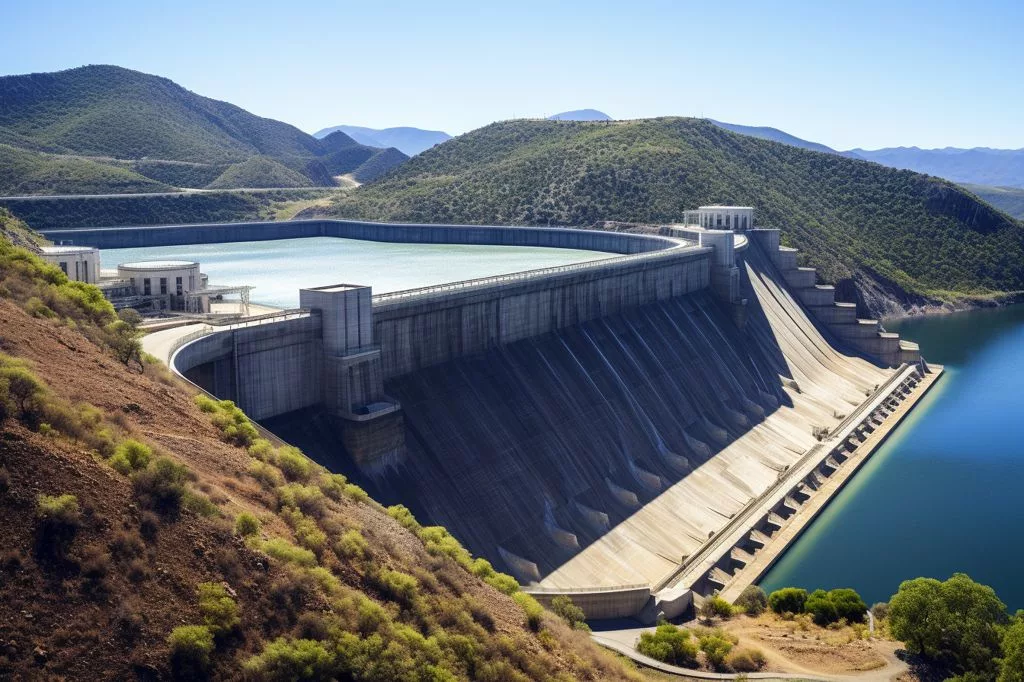
Algoa Bay in South Africa has experienced a remarkable recovery in its water scarcity problem due to significant rainfall, resulting in an increase in the total storage capacity of the Algoa Water Supply System. As a consequence, water restrictions have been removed, providing relief to the agricultural and urban sectors of the region. However, it is still essential for water consumers to use water responsibly and adhere to water abstraction allotments to ensure sustainable water security.
A Remarkable Recovery: Boosting Algoa Bay’s Water Supply
Algoa Bay, a vital area within the Eastern Cape Province of South Africa, has recently experienced a drastic turnaround in its water scarcity predicament due to significant rainfall. This welcomed change has provided considerable relief to the region, which had been struggling with an extended period of drought. As a result, the Algoa Water Supply System, the region’s primary water supply network, has seen a remarkable increase in its total storage capacity, enhancing water supply conditions for both urban and agricultural sectors.
The Algoa Water Supply System has traditionally served as a crucial component in delivering water services to western Nelson Mandela Bay Metro, Kouga Local Municipality, and the agricultural community in Gamtoos Valley. The recent resurgence in dam levels, exemplified by the Kouga Dam spilling for the first time since 2015, highlights the system’s resilience and importance within the region.
In May 2023, the Algoa Water Supply System reported a meager 13.3% in cumulative storage levels. However, the current outlook appears far more optimistic, with recent figures indicating that cumulative storage has reached 70%, and individual dams experiencing notable increases. The Kouga Dam presently stands at 101.42%, Churchill Dam at 100.93%, Groendal Dam at 101%, and Impofu Dam at 24.37%.
Lifting Water Restrictions: Revitalizing the Regional Economy
The enhanced hydrological circumstances have prompted the Department of Water and Sanitation to remove water restrictions in several sub-systems within the Algoa Water Supply System. This decision will not only benefit domestic and industrial sectors but will also serve as a vital catalyst in rejuvenating the region’s economic potential.
The Department of Water and Sanitation’s planning methodology relies heavily on hydrological trends. As such, the department will maintain its monitoring of rainfall-induced run-offs within the catchment area throughout the current hydrological year. Climate specialists have cautioned about the possible emergence of a robust El Niño, which may align with higher temperatures and decreased rainfall across South Africa (CSIR, 2023). Although the complete impact of the anticipated El Niño phenomenon remains unclear, the department remains wary of prematurely declaring an end to the prolonged drought period. A comprehensive analysis of climate and hydrological trends over an extended timeframe will yield more accurate insights for decision-makers in November.
Given the recovery of the Algoa water supply system, the department has opted to remove water restrictions for the Kouga/Loerie Sub-System and Groendal Sub-System until November 2023. However, restrictions within the Kromme Sub-System, which includes Churchill and Impofu dams and the upstream catchment, will persist until the subsequent decision date (November 2023).
A Collective Effort: Ensuring Sustainable Water Security
Although water usage restrictions have been eased, it remains essential for water consumers to utilize water responsibly and adhere to water abstraction allotments. The public is also encouraged to conserve water and report water leaks. The Algoa water supply system continues to face the issue of increasing demand, which outpaces the natural replenishment capacity of the water resource system.
The delicate nature of the Algoa water supply system necessitates a collective effort from communities that rely on this critical resource. While the recent progress in the region is undoubtedly cause for celebration and optimism, the importance of using water sparingly and responsibly has not diminished. As the region moves beyond its drought-stricken past, stakeholders must continue their collaborative efforts to guarantee water security for those dependent on the Algoa water supply system.
The removal of water restrictions within the Algoa Water Supply System showcases the incredible power of nature, combined with the resilience and adaptability of human determination. The story of Algoa Bay’s water security serves as an inspiration for other regions facing water scarcity. Amid the numerous environmental challenges confronting the world today, success stories like Algoa Bay’s offer hope and opportunities for a sustainable future where the delicate balance between human necessities and nature is maintained.
1. What is the Algoa Water Supply System?
The Algoa Water Supply System is the primary water supply network in the Eastern Cape Province of South Africa. It traditionally serves western Nelson Mandela Bay Metro, Kouga Local Municipality, and the agricultural community in Gamtoos Valley.
2. What caused the remarkable recovery of Algoa Bay’s water scarcity problem?
Significant rainfall led to the recovery of Algoa Bay’s water scarcity problem.
3. What is the current storage level of the Algoa Water Supply System?
Cumulative storage has reached 70%, and individual dams, such as Kouga Dam, Churchill Dam, and Groendal Dam, have experienced notable increases.
4. Have water restrictions been removed?
Yes, the Department of Water and Sanitation has removed water restrictions in several sub-systems within the Algoa Water Supply System.
5. How will lifting water restrictions revitalize the regional economy?
Lifting water restrictions will benefit both domestic and industrial sectors and serve as a vital catalyst in rejuvenating the region’s economic potential.
6. Is the department monitoring hydrological trends?
Yes, the department of Water and Sanitation will maintain its monitoring of rainfall-induced run-offs within the catchment area throughout the current hydrological year.
7. What is the importance of a collective effort in ensuring sustainable water security?
The delicate nature of the Algoa water supply system necessitates a collective effort from communities that rely on this critical resource to ensure sustainable water security.
8. What does the success story of Algoa Bay’s water security offer to the world?
Amid the numerous environmental challenges confronting the world today, success stories like Algoa Bay’s offer hope and opportunities for a sustainable future where the delicate balance between human necessities and nature is maintained.