South Africa is honoring sports advocates Mama Joy Chauke and Botha Msila for their contributions to national unity and healing. Despite some negative responses, Mama Joy’s story has received international media attention, and both supporters are set to attend the 2023 Rugby World Cup as symbols of using sports to unite. The Department of Sport, Arts, and Culture supports their efforts as part of its commitment to establishing international platforms for South Africans and promoting talent, aspirations, and motivation in sports, arts, and culture.
South Africa, a country with a rich heritage and diverse population, has recently united in honoring the inspiring influence of two remarkable sports aficionados – Mama Joy Chauke and Botha Msila.
Mama Joy and Botha: Embodying Success and Active Citizenship
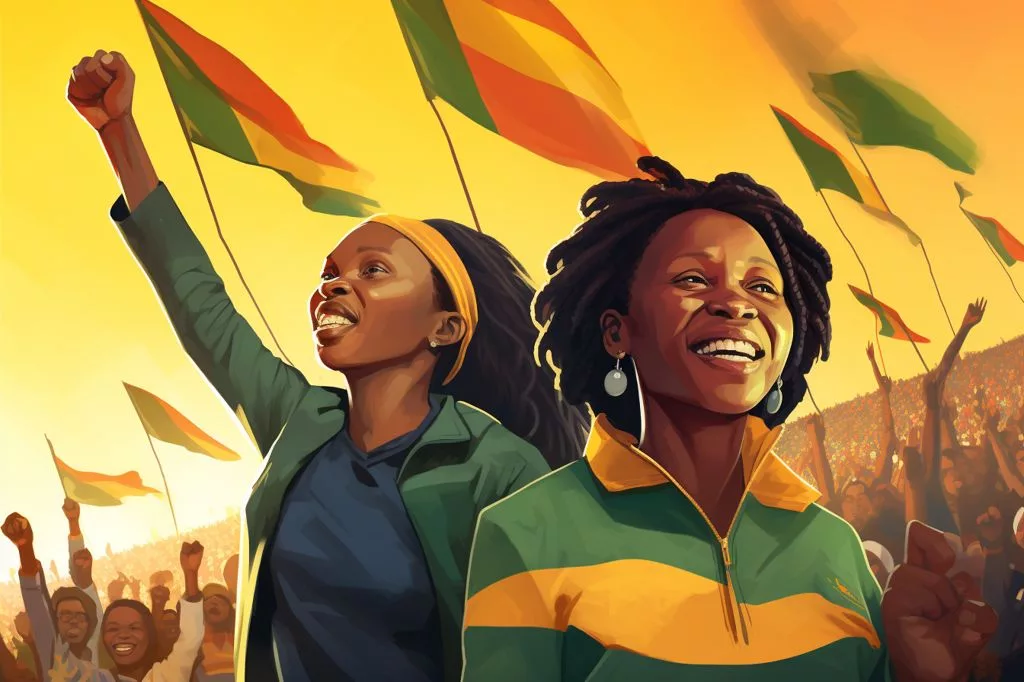
Mama Joy and Botha have emerged as the ultimate representation of a thriving, active, and inspirational South Africa. As passionate advocates of sports, they have played a vital part in fostering national unity and healing the wounds of the nation’s history. The Department of Sport, Arts, and Culture recognizes their commitment and acknowledges their contributions in achieving the department’s goals.
Rising Above Negativity: Supporting South Africa’s Ambassadors
Nonetheless, disconcerting responses have emerged among some South Africans who question Mama Joy and Botha’s presence at the 2023 Rugby World Cup. It is disappointing to see the critique and belittlement directed at these two super supporters when the global community acknowledges and applauds their efforts. These devotees are elevating South African morale on an international stage, and their endeavors merit recognition and encouragement.
Worldwide Impact: Mama Joy’s Motivational Story
Mama Joy, specifically, has made a considerable impression on individuals not only in South Africa but also beyond its borders. Her motivating story has attracted backing from various international media outlets, civil society figures, and sports enthusiasts worldwide. Some have even pledged to help support her stay in Paris, allowing her to maintain her visibility throughout the Rugby World Cup.
Fostering Unity through Sports: Mama Joy and Botha’s Role in Reconciling South Africa
In 2020, South Africa implemented a framework document outlining the country’s interests and worldwide development. This document emphasized the need to address colonial rule’s legacies and apartheid policies. Mama Joy and Botha’s presence at the Rugby World Cup serves as a potent symbol of utilizing sports as a means to mend past divisions and unite the nation.
Promoting International Collaboration: The Mission of the Department of Sport, Arts, and Culture
The Department of Sport, Arts, and Culture is committed to establishing worldwide platforms for South Africans to encourage cooperation, partnerships, and people-to-people collaboration. In accordance with this dedication, the department supports the pursuit of talent, aspirations, and motivation in sports, arts, and culture. Mama Joy and Botha’s active engagement in the Rugby World Cup exemplifies this pursuit.
Shattering Boundaries: Mama Joy’s Campaign for Women’s Empowerment
Mama Joy has become the face of the Braai Army in France, advocating for women’s autonomy and representation in a traditionally male-dominated setting. It is essential to acknowledge her efforts to dismantle barriers and challenge patriarchal norms. Mama Joy has established a reputation as a superfan across all sporting disciplines through her determination and tenacity.
A Legacy of Support: Emphasizing the Importance of Representation
The Department of Sport, Arts, and Culture has an extensive history of supporting South Africans in international arts, music, and cultural events. Mama Joy and Botha are not the first to receive such backing, and their attendance at the Rugby World Cup is a testament to the significance of representation and involvement in safeguarding national interests and shaping global initiatives.
In summary, Mama Joy Chauke and Botha Msila’s presence at the 2023 Rugby World Cup is an inspiring testimony to their unwavering devotion and enthusiasm for their nation’s sports teams. As unifying forces, they bring South Africa together and promote healing from the country’s past divisions. Their journeys exemplify the power of sports in bridging cultural gaps and nurturing international cooperation, making their presence all the more meaningful in the global arena.
Who are Mama Joy Chauke and Botha Msila?
Mama Joy Chauke and Botha Msila are sports advocates from South Africa who have made significant contributions to national unity and healing through their passion for sports.
Why are Mama Joy and Botha receiving international media attention?
Mama Joy’s story has attracted international media attention due to her inspiring journey and dedication to using sports to unite and heal the nation. Both Mama Joy and Botha’s attendance at the 2023 Rugby World Cup as symbols of unity has also garnered attention.
What is the Department of Sport, Arts, and Culture’s role in supporting Mama Joy and Botha?
The Department of Sport, Arts, and Culture supports Mama Joy and Botha’s efforts as part of its commitment to establishing international platforms for South Africans and promoting talent, aspirations, and motivation in sports, arts, and culture.
Why are some South Africans questioning Mama Joy and Botha’s presence at the Rugby World Cup?
Some South Africans have criticized Mama Joy and Botha’s attendance at the Rugby World Cup, despite their contributions to national unity and healing. However, their efforts have received support from the global community.
Why is Mama Joy’s story considered motivational?
Mama Joy’s story is considered motivational as she has overcome barriers and challenges to become a well-known sports advocate. Her journey has attracted international backing, and she has become the face of the Braai Army in France, advocating for women’s autonomy and representation in a traditionally male-dominated setting.
How do Mama Joy and Botha promote unity in South Africa?
Mama Joy and Botha promote unity in South Africa through their passion for sports and their dedication to using sports as a means to mend past divisions and unite the nation.
What is the Department of Sport, Arts, and Culture’s mission?
The Department of Sport, Arts, and Culture is committed to establishing worldwide platforms for South Africans to encourage cooperation, partnerships, and people-to-people collaboration. They support talent, aspirations, and motivation in sports, arts, and culture.
Why is representation important in international events?
Mama Joy and Botha’s attendance at the Rugby World Cup is a testament to the significance of representation and involvement in safeguarding national interests and shaping global initiatives. The Department of Sport, Arts, and Culture has a history of supporting South Africans in international arts, music, and cultural events, emphasizing the importance of representation.