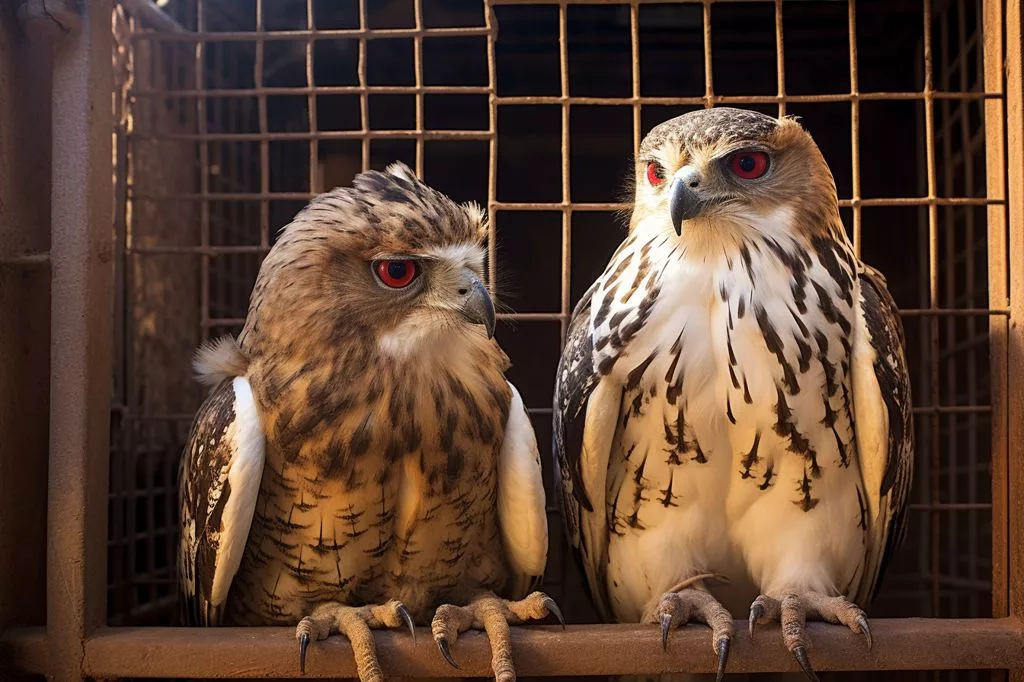
Eagle Encounters, a prominent wildlife rehabilitation center in South Africa, recently underwent an inspection by the Cape of Good Hope SPCA. While initial findings raised concerns over animal welfare, including injured birds and unfavorable conditions, subsequent clarifications from the facility’s co-owner shed light on the circumstances. As the facility faces potential legal implications, this event highlights the complexities and challenges of wildlife rehabilitation. It underscores the importance of collaboration between rehab centers and oversight bodies, emphasizing the well-being of animals.
Located within the scenic Spier Wine Farm just outside Stellenbosch, Eagle Encounters has gained acclaim for its entrancing bird displays and the rehabilitation of injured or displaced wildlife, operating within the framework of the Performing Animals Protection Act 24 of 1935 (PAPA). However, a recent inspection by the Cape of Good Hope SPCA initially revealed concerns about animal welfare. In response, the co-owner of Eagle Encounters provided crucial context: detailing efforts to care for injured birds, manage challenges posed by recent floods, and follow best practices in wildlife care. These insights reveal a more nuanced picture of the challenges and dedication inherent in wildlife rehabilitation.
Troublesome Inspections and Unlawful Activities
Inspectors from the SPCA, as authorized under PAPA, possess the right to examine establishments at any reasonable time. Refusing entry to these officials is considered illegal. However, employees of Eagle Encounters have occasionally tried to prevent inspectors from performing their legal duties.
After obtaining a court order, the SPCA conducted an inspection. They found a structure housing five birds in crates, covered with towels. Two of these birds – a Booted Eagle and a Spotted Eagle Owl – had fractured wings. One of them was suffering from a severe maggot-infested injury. Also three snakes were found hidden in plastic containers behind a washing machine inside the building, all lacking water. The structure contained potentially dangerous equipment and open paint cans.
Inhumane Tethering and Prior Cautions
During their examination, the SPCA found two Lanner Falcons tethered with ropes less than 34 centimeters long. This method of tethering was in use even though the birds were inside an enclosure. The Cape of Good Hope SPCA had earlier cautioned Eagle Encounters about certain conditions. In light of these findings, the facility may face additional criminal charges, and a complaint may be lodged with CapeNature due to potential permit violations.
Veterinarian’s Defense and Hostility
As the inspection progressed, the facility’s veterinarian acknowledged the substandard conditions but defended the facility’s practices. The SPCA noted the veterinarian’s hostility during the inspection. He allegedly tried to intimidate another wildlife rehabilitation vet and threatened to report her to the South African Veterinary Council (SAVC).
Fundamental Requirements for Wildlife Rehabilitation
Dr. Karin Lourens from the Johannesburg Wildlife Veterinary Hospital emphasizes the importance of maintaining high standards at wildlife rehab facilities. She believes that the welfare of animals is paramount. This entails ensuring a clean, stress-free environment with essentials like species-specific enclosures and suitable perches.
Dr. Lourens further details that animals should have continuous access to food, water, and daylight, irrespective of the size of their temporary housing. For creatures like snakes, necessities like hiding spots and water are critical. Such standards are crucial since many rehab animals are physically vulnerable and may also be traumatized.
Clarifications from Eagle Encounters
In response, Tracy Chalmers, co-owner of Eagle Encounters, provided the following clarifications:
- The bird with the maggot-infested injury was rescued by Eagle Encounters in its injured state. Pain relief was administered promptly, and after a vet’s assessment, euthanasia was recommended, which the SPCA executed.
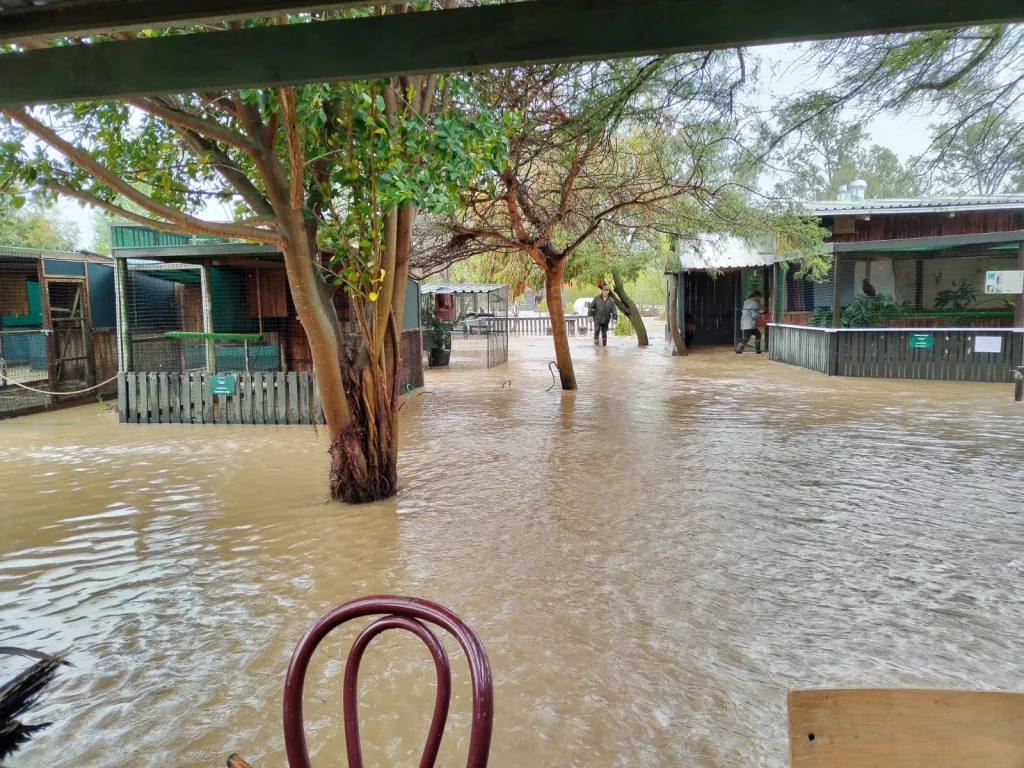
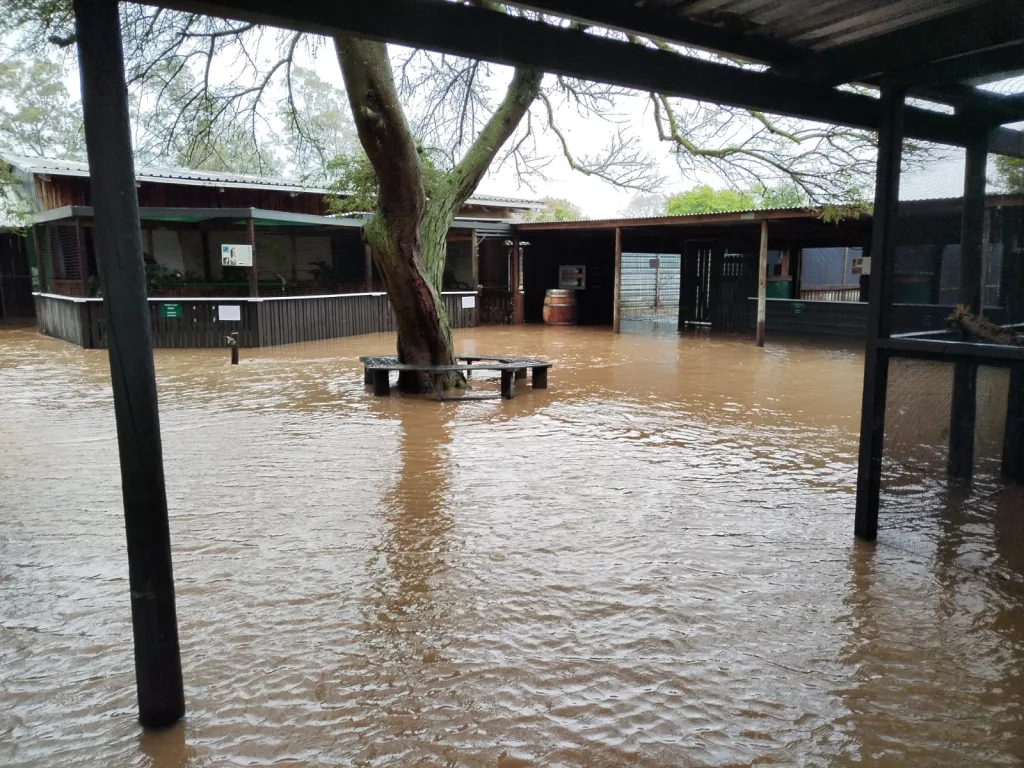
- Birds and animals in the shed were placed there temporarily due to flooding damage to the primary rehabilitation room. These animals, placed in dark, calm spaces to reduce stress, had access to sunlight and water during the day. Overnight, they didn’t have water based on vet recommendations to avoid potential hypothermia.
- Dr. Annelie Cloete from the Western Cape Department of Agriculture and Dr. Coetzee de Beer, a vet associated with Eagle Encounters, both confirmed that the animals were safe.
- Tethering, a permitted falconry method under Cape Nature and PAPA, is critical for bird rehabilitation. Eagle Encounters clarified that only two birds were tethered during the inspection, according to species-specific behaviors and international standards. The organization highlighted its 20-year history of rescuing, rehabilitating, and releasing birds.
- Cape Nature inspectors found no violations of their permit conditions during their visit on 06/10.
- The recent floods caused significant damage to Eagle Encounters, which they are addressing promptly, with gratitude extended to those offering assistance.
The Eagle Encounters Case: Continuing Responsibility
Eagle Encounters has provided clarifications and responses to the issues raised, emphasizing their commitment to animal welfare. The case serves as a reminder of the ongoing dialogue and cooperation needed between rehabilitation centers and regulatory bodies, ensuring transparency and the well-being of all animals under care.