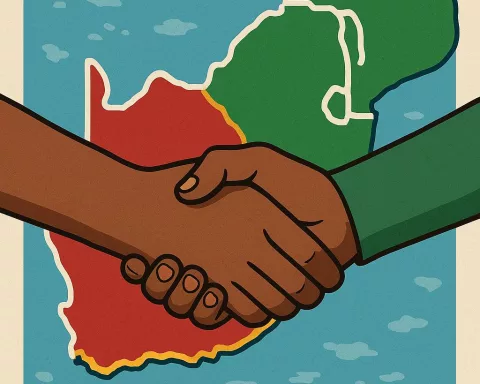
South Africa has condemned Israel’s actions in Gaza, accusing the Israeli government of deliberately depriving Gazans of vital resources such as food, water, electricity, and fuel. The Fourth Geneva Convention provides protection for civilians in conflict zones and occupied territories, including protection from murder, torture, and discrimination. Israel’s recent directive ordering 1.1 million Gazans to relocate to the south is poised to worsen the disaster, and the UN has called for vital life-saving supplies to be allowed into Gaza.
What actions has South Africa taken regarding Israel’s actions in Gaza?
South Africa’s Department of International Relations and Cooperation has condemned Israel’s breaches of the Geneva Conventions and International Humanitarian Law in the Gaza Strip. South Africa calls on Israel to provide vital resources such as food, water, fuel, and electricity to Gaza’s people and demands the release of Israeli hostages taken into Gaza.
South Africa’s Department of International Relations and Cooperation (DIRCO) has vehemently condemned Israel’s breaches of the Geneva Conventions and International Humanitarian Law in the Gaza Strip. The Israeli government is accused of deliberately depriving Gazans of vital resources, including food, water, electricity, and fuel.
The World Health Organization has reported that Israel continues to impose a comprehensive blockade on Gaza. Israeli authorities have severed water and electricity supplies, curtailed the flow of food, fuel, and healthcare supplies, and obstructed patients’ access to medical treatment. This has resulted in a significant worsening of an already critical situation.
The Geneva Convention’s Article 14 expressly forbids the use of starvation as a tactic of warfare. It further prohibits the destruction, removal, or disabling of items indispensable for the civilian population’s survival, such as food stocks, agricultural lands, crops, livestock, drinking water facilities, and irrigation systems.
Civilian Protection and Israel’s Violations
The Fourth Geneva Convention, comprising 159 articles, provides protection for civilians in conflict zones and occupied territories. Civilians must be protected from murder, torture, cruelty, and discrimination based on race, nationality, religion, or political beliefs. The UN Commission on Human Rights has previously classified Israel’s consistent severe violations of the Fourth Geneva Convention and Additional Protocol I as war crimes.
International Humanitarian Law mandates that civilian populations not be targeted and that civilians be protected in armed conflicts. Israel’s sixth consecutive day of air, sea, and land bombardments throughout the Gaza Strip constitutes a blatant breach of International Humanitarian Law. The Office for the Coordination of Humanitarian Affairs (OCHA) reports that the continued bombardment has resulted in over 423,000 internally displaced persons (IDPs), a 24% increase in the last 24 hours. Two-thirds of these IDPs are seeking refuge in United Nations Relief and Works Agency (UNRWA) schools.
Israel’s recent directive giving 1.1 million Gazans 24 hours to vacate the northern Gaza Strip and relocate to the south is poised to worsen the disaster. Humanitarian organizations on the ground caution that there are insufficient resources in other governorates to handle such a massive influx of IDPs, including inadequate shelter, aid, and water. The UN has stated that its schools converted into shelters are already experiencing shortages of essential supplies such as food, water, medicine, and other humanitarian provisions mandated by International Law.
Dire Conditions and Calls for Action
According to OCHA’s latest report, Gaza has been experiencing a total electricity blackout since yesterday. This has pushed critical health, water, and sanitation services to the verge of collapse and exacerbated food insecurity. This comes after Israel’s decision to halt its electricity and fuel supply to Gaza on October 8, causing Gaza’s only power plant to shut down due to exhausted fuel reserves.
UN Secretary-General António Guterres stressed yesterday that “vital life-saving supplies, including fuel, food, and water, must be allowed into Gaza.” Moreover, between 100 and 150 Israelis, including soldiers, civilians, women, children, and some foreign nationals, have allegedly been captured and forcibly taken into Gaza. Guterres has demanded the immediate release of all Israeli hostages, an act also prohibited under International Humanitarian Law.
South Africa calls on Israel to heed the appeals of the UN Secretary-General, various humanitarian organizations operating in Gaza, and numerous governments worldwide to immediately provide water, food, fuel, and electricity to Gaza’s people. South Africa also demands the release of the Israeli hostages taken into Gaza.
1. What has South Africa said about Israel’s actions in Gaza?
South Africa has condemned Israel’s actions in Gaza, accusing the Israeli government of deliberately depriving Gazans of vital resources such as food, water, electricity, and fuel.
2. What is the Fourth Geneva Convention, and what does it provide for?
The Fourth Geneva Convention provides protection for civilians in conflict zones and occupied territories, including protection from murder, torture, and discrimination based on race, nationality, religion, or political beliefs.
3. What has the UN called for regarding Gaza?
The UN has called for vital life-saving supplies to be allowed into Gaza, including fuel, food, and water.
4. What has Israel done to Gaza’s resources, according to the information provided?
Israeli authorities have severed water and electricity supplies, curtailed the flow of food, fuel, and healthcare supplies, and obstructed patients’ access to medical treatment.
5. What does International Humanitarian Law mandate regarding civilian populations?
International Humanitarian Law mandates that civilian populations not be targeted and that civilians be protected in armed conflicts.
6. What has Israel done recently that is poised to worsen the disaster in Gaza?
Israel’s recent directive giving 1.1 million Gazans 24 hours to vacate the northern Gaza Strip and relocate to the south is poised to worsen the disaster.
7. What does the UN Secretary-General say about the situation in Gaza?
UN Secretary-General António Guterres stressed the need for vital life-saving supplies, including fuel, food, and water, to be allowed into Gaza.
8. What does South Africa call for regarding Israel’s actions in Gaza?
South Africa calls on Israel to immediately provide water, food, fuel, and electricity to Gaza’s people, as well as to release the Israeli hostages taken into Gaza.