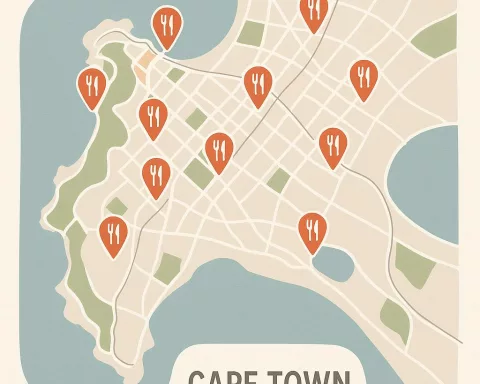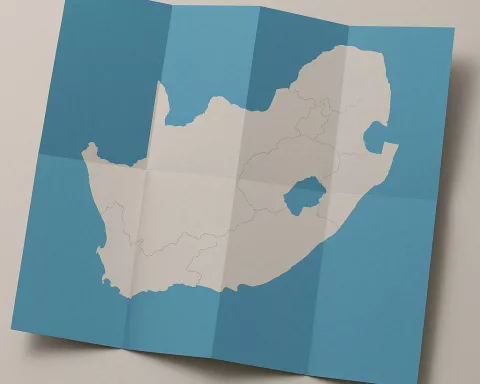

The upcoming season is expected to see a significant increase in seat capacity at Cape Town International Airport, which will result in over one million inbound international seats for the first time ever. The Western Cape in South Africa is getting ready for an incredible summer tourism season, with over one million international seats expected. The province has taken coordinated steps to ensure improvements in visa systems, visitor safety, and skilled labor availability in tourism and hospitality sectors.
What is the Western Cape expecting for the summer tourism season?
South Africa’s Western Cape is anticipating over one million inbound international seats for the upcoming summer tourism season, with an estimated 25% rise in seat capacity at Cape Town International Airport. This growth is the result of coordinated actions by stakeholders and prioritizing improvements such as visa system efficiency, visitor safety, and skilled labor availability in the tourism and hospitality sectors. The province’s commitment to excellence has garnered numerous international awards and global recognition.
Preparing for a Record-Breaking Summer
South Africa’s Western Cape is preparing for an unprecedented summer tourism season, with over one million inbound international seats expected. Provincial Minister of Finance and Economic Opportunities, Mireille Wenger, held her second annual ‘Summer Tourism Readiness Dialogue’ to solidify plans and guarantee the success of the upcoming season. The event brought together key stakeholders from the province’s tourism and hospitality sector, including representatives from various organizations involved in tourism, hospitality, and aviation.
Minister Wenger acknowledged the collaboration and efforts of the stakeholders in the success of the previous summer season. She revealed that the forthcoming summer season will see a significant increase in seat capacity at Cape Town International Airport (CTIA), with an estimated 25% rise compared to the same period last year. Consequently, over one million inbound international seats are anticipated for the first time ever.
This expected growth in the tourism sector is attributed to the coordinated, collaborative, and purposeful actions by the stakeholders. Minister Wenger praised the commitment to excellence by the tourism and hospitality sector partners, which has resulted in numerous international awards and global recognition.
Addressing Challenges and Priorities
Minister Wenger outlined several priorities that will enhance the Western Cape’s attractiveness as a destination, such as improving the visa system, boosting safety for visitors, and ensuring skilled labor availability in the tourism and hospitality sectors.
The inefficiencies in the visa system have been a significant impediment to investment and business expansion. To tackle this issue, Minister Wenger plans to cooperate with national government partners to rectify these inefficiencies. She also welcomed the Department of Home Affairs’ commitment to launch the long-awaited Remote or Digital Nomad Visa by the end of March 2024.
Visitor safety is another crucial concern. The minister expressed satisfaction with the progress made over the past year in bringing the private and public sectors together to implement practical solutions that address and preempt safety risks for tourists. To improve safety, 250 tourism monitors will be deployed across the Western Cape to identified hotspots during the 2023/24 season. These monitors will receive training and mobile apps to connect them to essential security services. Additionally, the Department of Tourism has secured a commitment from the South African Police Service (SAPS) that police reservists will be available during the summer season to assist with tourism safety.
Developing Skills and the Future of Tourism
To offer the best possible experience for tourists, the tourism and hospitality sector must have access to skilled labor. This challenge necessitates the creation of a skills forum, which now convenes regularly to coordinate the activities of the government, private sector, and academia. The forum’s goal is to better align industry needs with the skills supply, which will lead to the development of new qualifications.
In closing, Minister Wenger emphasized the importance of continuously striving to improve the tourism sector in the Western Cape and South Africa. A thriving tourism industry translates to more job opportunities and a more robust economy, benefiting the people of the region and the country. With the Western Cape’s exceptional, tenacious, and world-class offerings, it is well-positioned to welcome millions of tourists and reap the rewards of a successful summer tourism season.
1. What is the Western Cape expecting for the summer tourism season?
The Western Cape in South Africa is expecting over one million inbound international seats for the upcoming summer tourism season. This growth is the result of coordinated actions by stakeholders and prioritizing improvements such as visa system efficiency, visitor safety, and skilled labor availability in the tourism and hospitality sectors.
2. What steps has the province taken to improve the tourism sector?
The province has taken coordinated steps to ensure improvements in visa systems, visitor safety, and skilled labor availability in tourism and hospitality sectors. The inefficiencies in the visa system have been a significant impediment to investment and business expansion. To tackle this issue, the province plans to cooperate with national government partners to rectify these inefficiencies. Additionally, measures have been taken to improve visitor safety, including deploying 250 tourism monitors to identified hotspots during the 2023/24 season and securing a commitment from the South African Police Service (SAPS) that police reservists will be available during the summer season to assist with tourism safety.
3. What is the estimated increase in seat capacity at Cape Town International Airport compared to last year?
There is an estimated 25% rise in seat capacity at Cape Town International Airport (CTIA) compared to the same period last year.
4. How many inbound international seats are expected for the first time ever?
Over one million inbound international seats are anticipated for the first time ever in the upcoming summer tourism season.
5. What is the skills forum and what is its goal?
The skills forum is a forum that convenes regularly to coordinate the activities of the government, private sector, and academia. The forum’s goal is to better align industry needs with the skills supply, which will lead to the development of new qualifications.
6. What is the Department of Home Affairs’ commitment regarding the visa system?
The Department of Home Affairs has committed to launch the long-awaited Remote or Digital Nomad Visa by the end of March 2024.
7. How will tourism monitors improve visitor safety?
250 tourism monitors will be deployed across the Western Cape to identified hotspots during the 2023/24 season. These monitors will receive training and mobile apps to connect them to essential security services, which will improve visitor safety.
8. How important is the tourism industry to the Western Cape?
Minister Wenger emphasized the importance of continuously striving to improve the tourism sector in the Western Cape and South Africa. A thriving tourism industry translates to more job opportunities and a more robust economy, benefiting the people of the region and the country.