South Africa’s Energy Action Plan (EAP) is a crucial strategy to tackle the ongoing issue of load shedding and move towards a sustainable energy future. The plan focuses on short and medium-term measures to improve the efficiency of the existing power grid and invest in renewable energy sources like wind and solar power. Collaboration, technological advancements, and human capital investments are key components of the plan’s implementation, as well as a commitment to environmental sustainability and global impact. The EAP represents South Africa’s dedication to resolving the energy crisis and promoting sustainable development, positioning the country as a leader in clean energy and innovation.
What is South Africa’s Energy Action Plan?
South Africa’s Energy Action Plan (EAP) is a critical strategy for the country’s energy sector aimed at reducing the severity and frequency of load shedding, an ongoing issue that has troubled South Africa for years. The EAP comprises short and medium-term measures to tackle the energy crisis, while also outlining a long-term sustainable energy development roadmap featuring renewable energy sources like wind and solar power. The plan emphasizes collaboration, technological advancements, and human capital investments to ensure successful implementation and promote sustainable development.
Dr. Kgosientsho Ramokgopa Addresses South Africa’s National Assembly
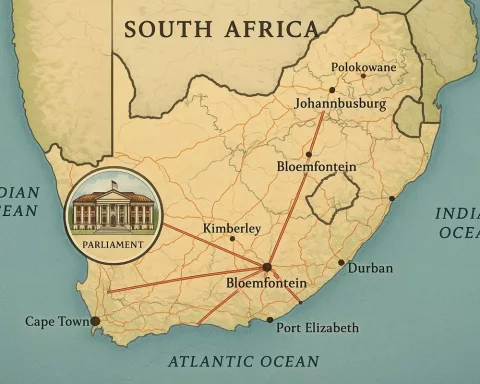
On October 24, 2023, Dr. Kgosientsho Ramokgopa, the Minister in The Presidency responsible for Electricity, presented an executive statement to South Africa’s National Assembly in Cape Town. The statement revolved around the Energy Action Plan (EAP), a critical strategy for the country’s energy sector. The primary goal of the EAP is to reduce the severity and frequency of load shedding, an ongoing issue that has troubled South Africa for years. The presentation began at 14h00 and was broadcasted live for public viewing.
Load shedding, the intentional shutdown of electric power in specific regions to prevent the entire system’s collapse, has become a growing concern for South Africans. This problem arises from the nation’s dependence on an outdated power grid and its struggle to satisfy the energy needs of a rapidly expanding economy. As a result, the EAP is a necessary and timely response, aiming to lessen the negative effects of load shedding on South Africa’s economy and the daily lives of its citizens.
The EAP comprises short and medium-term measures to tackle the energy crisis. By concentrating on immediate solutions, like enhancing the existing power grid’s efficiency and investing in alternative energy sources, the plan aims to relieve South African consumers’ immediate burden. Simultaneously, the EAP outlines a long-term sustainable energy development roadmap, featuring renewable energy sources like wind and solar power.
Collaboration, Technology, and Human Capital in the EAP
In his presentation, Dr. Ramokgopa stressed the significance of collaboration and coordination between various stakeholders, such as government organizations, private sector participants, and international partners. A comprehensive approach is vital when dealing with a complex issue like the energy crisis, and the EAP encourages the active involvement of all relevant parties.
A noteworthy aspect of the EAP is its emphasis on utilizing technological advancements to modernize South Africa’s energy sector. The plan envisions a future where digital technologies play a critical role in optimizing power generation, distribution, and management. By adopting digital transformation, South Africa can enhance the efficiency and dependability of its power infrastructure, ensuring that energy services remain affordable and accessible to its populace.
Furthermore, the EAP underlines the importance of investing in human capital to facilitate the energy transition. Competent professionals and a well-qualified workforce are crucial for the plan’s successful implementation. Hence, the EAP advocates for targeted investments in education, training, and skills development, guaranteeing that South African workers possess the expertise needed to contribute to the country’s sustainable energy future.
Environmental Sustainability and Global Impact
Environmental sustainability constitutes another critical aspect of the EAP, with the plan recognizing the increasing urgency to address climate change and its impact on South Africa. By prioritizing renewable energy sources and endorsing energy efficiency, the plan aims to minimize the nation’s carbon footprint, aligning its energy sector with international climate objectives. This commitment reflects South Africa’s dedication to environmental stewardship and its role in the worldwide battle against climate change.
The EAP’s all-encompassing approach to resolving South Africa’s energy challenges has earned widespread support from various stakeholders. The plan is seen as a necessary and practical strategy to ensure the nation’s energy future and promote sustainable development. However, the EAP’s success ultimately relies on the effectiveness of its execution and the dedication of all stakeholders involved.
As South Africa sets out on the path to transform its energy sector, Dr. Kgosientsho Ramokgopa’s address to parliament marks a critical milestone in the country’s pursuit of energy security and sustainable development. The EAP stands as proof of the South African government’s commitment to resolving the energy crisis and guaranteeing a brighter future for all its citizens.
Through the EAP, South Africa has the opportunity to emerge as a global leader in clean energy and innovation, showcasing its commitment to a sustainable and inclusive energy future. As the world continues to confront the challenges of climate change and energy security, the successful implementation of the EAP will not only benefit South Africa but also contribute to global efforts in creating a greener, more prosperous world for all.
1. What is South Africa’s Energy Action Plan (EAP)?
South Africa’s Energy Action Plan (EAP) is a critical strategy for the country’s energy sector aimed at reducing the severity and frequency of load shedding, while moving towards a sustainable energy future with renewable energy sources like wind and solar power.
2. What is load shedding and why is it a growing concern in South Africa?
Load shedding is the intentional shutdown of electric power in specific regions to prevent the entire system’s collapse. It has become a growing concern in South Africa due to the nation’s dependence on an outdated power grid and its struggle to satisfy the energy needs of a rapidly expanding economy.
3. What are the short and medium-term measures included in the EAP?
The EAP comprises short and medium-term measures to tackle the energy crisis, like enhancing the existing power grid’s efficiency and investing in alternative energy sources to relieve South African consumers’ immediate burden.
4. What is the long-term sustainable energy development roadmap in the EAP?
The EAP outlines a long-term sustainable energy development roadmap, featuring renewable energy sources like wind and solar power.
5. What are the key components of the EAP’s implementation?
Collaboration, technological advancements, and human capital investments are key components of the plan’s implementation to ensure successful implementation and promote sustainable development.
6. How does the EAP emphasize the use of technology?
The plan envisions a future where digital technologies play a critical role in optimizing power generation, distribution, and management. By adopting digital transformation, South Africa can enhance the efficiency and dependability of its power infrastructure.
7. What is the EAP’s commitment to environmental sustainability?
The EAP prioritizes renewable energy sources and endorses energy efficiency to minimize the nation’s carbon footprint and align its energy sector with international climate objectives. This commitment reflects South Africa’s dedication to environmental stewardship and its role in the worldwide battle against climate change.
8. What is the significance of Dr. Kgosientsho Ramokgopa’s address to South Africa’s National Assembly?
Dr. Kgosientsho Ramokgopa’s address to parliament marks a critical milestone in the country’s pursuit of energy security and sustainable development. The EAP stands as proof of the South African government’s commitment to resolving the energy crisis and guaranteeing a brighter future for all its citizens.