A Compelling Vision for Maritime Security
South Africa’s Minister Sindisiwe Chikunga recently presented an inspiring welcoming address at the High-Level Meeting on the Implementation of the Jeddah Amendment to the Djibouti Code of Conduct (DCoC) in Cape Town. The event, held in October 2023, gathered distinguished attendees, including notable maritime specialists and officials. Minister Chikunga’s address emphasized the continuous efforts to guarantee safety and security throughout the Western Indian Ocean and Gulf of Aden and underscored the importance of sustainable economic growth and regional collaboration.
Maritime piracy and armed robbery remain major concerns for nations bordering the Western Indian Ocean and Gulf of Aden. The DCoC, founded in 2009, has cultivated collaboration among member countries and effectively reduced maritime threats in the region. The Jeddah Amendment to the DCoC, adopted in 2017, expanded the organization’s focus to include battling crimes such as drug trafficking, human smuggling, and illicit, unreported, and unregulated fishing activities.
In her speech, Minister Chikunga praised the DCoC’s growth, acknowledging its ability to adapt to modern challenges. She stressed the significance of member countries not only enhancing cooperation but also committing to the United Nations’ 2030 Agenda for Sustainable Development, which advocates for the preservation and sustainable utilization of oceans and seas, as well as fostering peaceful communities and robust institutions.
Investing in Maritime Systems and Institutions
Minister Chikunga recognized the necessity for substantial economic investment to develop maritime structures and organizations in the region. To achieve maritime security, governments must establish specialized skills and collaborate in capacity-building initiatives. The Friends of the DCoC, a group of international partners, support member countries in implementing resolutions and sharing resources. Additionally, the DCoC encourages information exchange among member countries, which is essential for combating piracy and other illegal activities at sea.
Minister Chikunga highlighted the ongoing efforts toward a Regional Maritime Security Strategy, which would enable the region to devise its solutions and identify focus areas for individual member countries. She also emphasized the importance of collaboration with maritime institutions such as the Regional Maritime Information Fusion Center in Madagascar and the Regional Coordination Operations Center in Seychelles.
Embracing Technology and Strengthening Cooperation
As technology becomes increasingly prominent in the maritime sector, Minister Chikunga urged member countries to remain alert to cybersecurity risks and consider including this issue in the DCoC agenda. By adopting technology and fortifying the DCoC-Jeddah Amendment as a leading forum for maritime security, the involved nations can foster economic growth and ensure the safety of the Western Indian Ocean and Gulf of Aden.
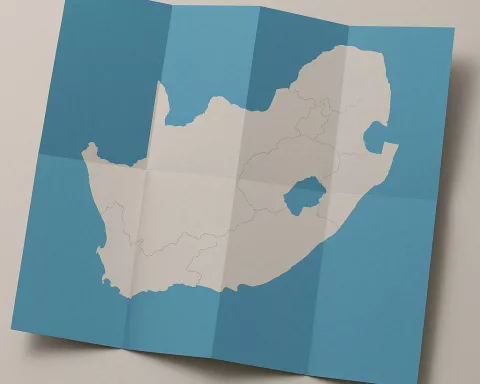
As a DCoC member country, South Africa has invested in maritime security, particularly in its ports. The nation has collaborated with neighboring countries, such as deploying warships in the Mozambique Channel to fight piracy. South Africa’s commitment to information sharing and capacity-building initiatives, including training Mozambican naval forces, exemplifies its dedication to regional security.
With the upcoming International Maritime Organization (IMO)’s Elective Assembly, Minister Chikunga appealed for support for South Africa’s re-election to the IMO Council. This would allow South Africa to continue participating in consequential discussions and actions to enhance maritime connectivity and stimulate economic growth in the region.
In conclusion, Minister Sindisiwe Chikunga’s address underscored the significance of regional collaboration and unity in tackling maritime challenges. As maritime security remains a crucial issue in the Western Indian Ocean and Gulf of Aden, the collective endeavors of the DCoC and its member countries will create a safer maritime future.