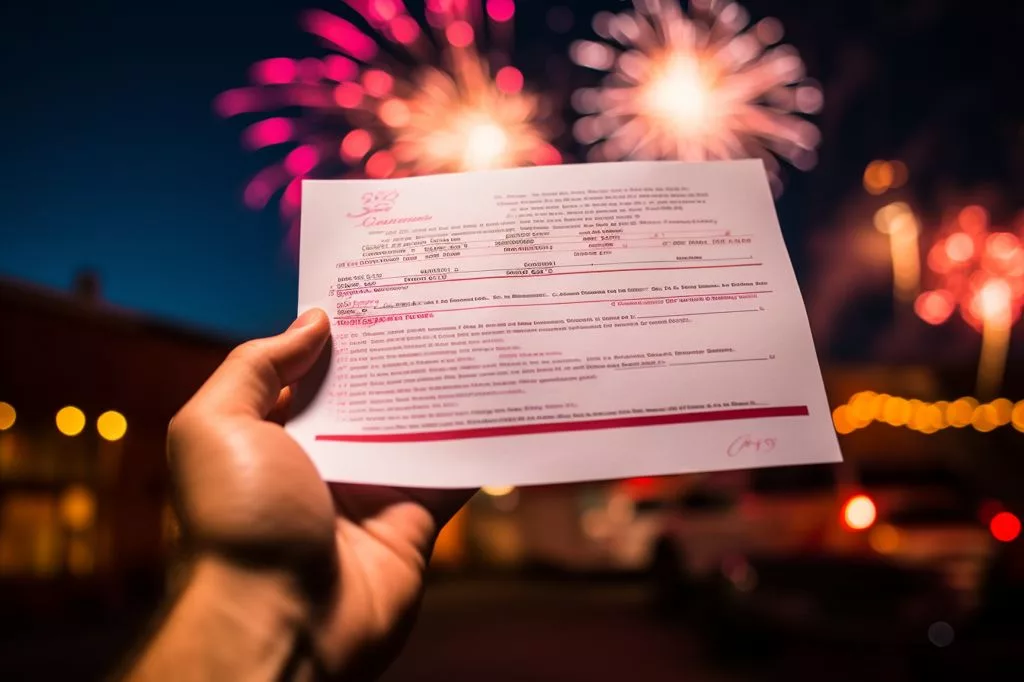
If you’re planning a fireworks display in Cape Town during the festive season, you must apply for a permit as per the National Explosives Act and the Community Fire Safety By-Law. Fireworks sales are also tightly regulated under the Explosives Act, with penalties for breaking the rules being severe. The City of Cape Town is committed to keeping its citizens safe during the festive season, and anyone with information about illegal fireworks sales or usage can contact the Public Emergency Communication Centre or the South African Police Service.
What are the regulations for fireworks during festive celebrations in Cape Town?
Individuals planning to host a fireworks display must apply for a permit as outlined by the National Explosives Act and the Community Fire Safety By-Law. Fireworks sales are also strictly regulated under the Explosives Act. Penalties for breaching these regulations can be severe. To report any information related to the illegal sale or use of fireworks, individuals can contact the PECC at 107 from a landline or 021 480 7700 from a cellphone, or the South African Police Service at 10111.
Fireworks Regulations during Festive Celebrations
With the festive season around the corner, Cape Town’s Safety and Security Directorate expects a rise in fireworks-related complaints. The city has witnessed a steady increase in such issues during October and November due to the observance of Guy Fawkes on November 5 and Diwali on November 12. It is crucial for the public to be well-versed with the rules governing fireworks displays and sales to maintain safety and reduce potential risks.
Previously, Cape Town assigned designated areas for fireworks launches, but these no longer exist. Currently, obtaining a permit is compulsory for any fireworks show. Although the number of complaints to the Public Emergency Communication Centre (PECC) has dropped in the last two years, concerns remain, especially as many complaints originate from residential zones.
Permit Applications and Display Requirements
Individuals planning to host a fireworks display must apply for a permit as outlined by the National Explosives Act and the Community Fire Safety By-Law. Additionally, events with more than 200 attendees or requiring infrastructure assembly need an Events permit from the City. Permit applications can be submitted to the South African Police Service (SAPS) via email (capetown.explosives.cmrd@saps.gov.za) and copied to Liam.Scheepers2@capetown.gov.za.
Upon receiving approval from SAPS, applicants must get in touch with the Fire and Rescue Service’s Fire Life Safety Section in the area where they plan to hold the display. A site inspection will be carried out to confirm the location is secure and devoid of fire hazards. Furthermore, approval must be obtained from local residents and businesses, and strict conditions must be adhered to before and during the display to minimize potential threats to public health and safety.
Fireworks Sales Regulations and Penalties
Fireworks sales are also strictly regulated under the Explosives Act. Importing or selling fireworks without the necessary permissions is unlawful, as is discharging fireworks in non-designated areas. Penalties for breaching these regulations can be severe. Under Section 30 of the Explosives Act of 1956, using or detonating fireworks in any building or public thoroughfare can result in a R200 fine. Selling fireworks to individuals under 16 years old or letting them handle fireworks without adult supervision can both lead to a R300 fine.
While the power to ban fireworks lies with the national government, the City of Cape Town is dedicated to securing the safety of its inhabitants. Alderman JP Smith, the City’s Mayoral Committee Member for Safety and Security, stated, “Our enforcement departments and animal welfare organizations are overwhelmed during this period, and so we request the public to abide by the rules and refrain from using fireworks unless they have the correct approvals. It’s simply not worth the risk of injury or fire.”
Reporting Illegal Fireworks Sales and Usage
To report any information related to the illegal sale or use of fireworks, individuals can contact the PECC at 107 from a landline or 021 480 7700 from a cellphone, or the South African Police Service at 10111.
As Guy Fawkes and Diwali celebrations approach, Cape Town residents should stay informed about the regulations surrounding fireworks. By following the proper procedures and obtaining the necessary permits, individuals can ensure a safe and enjoyable experience for all participants.
How do I obtain a permit for a fireworks display in Cape Town during festive celebrations?
Individuals planning to host a fireworks display must apply for a permit as outlined by the National Explosives Act and the Community Fire Safety By-Law. Additionally, events with more than 200 attendees or requiring infrastructure assembly need an Events permit from the City. Permit applications can be submitted to the South African Police Service (SAPS) via email (capetown.explosives.cmrd@saps.gov.za) and copied to Liam.Scheepers2@capetown.gov.za.
What are the regulations for fireworks sales in Cape Town?
Fireworks sales are strictly regulated under the Explosives Act. Importing or selling fireworks without the necessary permissions is unlawful, as is discharging fireworks in non-designated areas. Penalties for breaching these regulations can be severe.
What are the penalties for breaking fireworks regulations in Cape Town?
Under Section 30 of the Explosives Act of 1956, using or detonating fireworks in any building or public thoroughfare can result in a R200 fine. Selling fireworks to individuals under 16 years old or letting them handle fireworks without adult supervision can both lead to a R300 fine.
Are there designated areas for fireworks displays in Cape Town?
Previously, Cape Town assigned designated areas for fireworks launches, but these no longer exist. Currently, obtaining a permit is compulsory for any fireworks show.
Do I need an Events permit for a fireworks display in Cape Town?
Events with more than 200 attendees or requiring infrastructure assembly need an Events permit from the City in addition to the fireworks permit.
What is the procedure for obtaining approval for a fireworks display in Cape Town?
Upon receiving approval from SAPS, applicants must get in touch with the Fire and Rescue Service’s Fire Life Safety Section in the area where they plan to hold the display. A site inspection will be carried out to confirm the location is secure and devoid of fire hazards. Furthermore, approval must be obtained from local residents and businesses, and strict conditions must be adhered to before and during the display to minimize potential threats to public health and safety.
Can I report illegal fireworks sales or usage in Cape Town?
Yes, individuals can report any information related to the illegal sale or use of fireworks to the PECC at 107 from a landline or 021 480 7700 from a cellphone, or the South African Police Service at 10111.
Why is it important to follow fireworks regulations in Cape Town?
The City of Cape Town is committed to keeping its citizens safe during the festive season. Breaching fireworks regulations can lead to severe penalties and potential risks to public health and safety. By following the proper procedures and obtaining the necessary permits, individuals can ensure a safe and enjoyable experience for all participants.