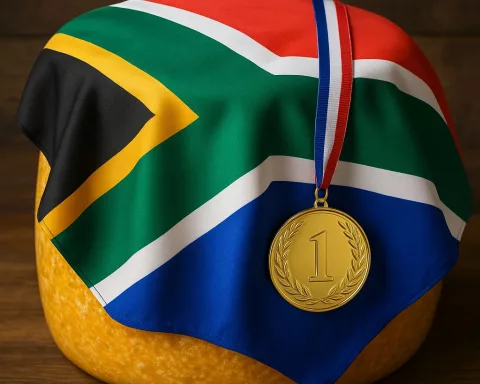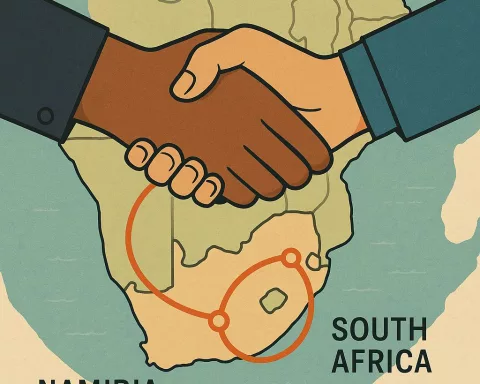
The role of politics in South African rugby is debated, particularly in light of Fikile Mbalula’s claim that his tenure as sports minister laid the groundwork for the Springbok’s success. Mbalula contends that he eliminated racial quotas, a move he believes led to Siya Kolisi’s appointment as captain of the team. However, many dispute Mbalula’s claims, and the debate highlights the interplay between politics and sportsmanship. Regardless of politics, the Springbok team’s accomplishments symbolize progress and unity, inspiring hope for South Africans and sports enthusiasts worldwide.
Mbalula’s Controversial Claim: Politics or Sportsmanship?
The role of politics in sports and how it influenced the South African rugby team’s transformation journey is a topic of debate. The African National Congress (ANC) secretary-general, Fikile Mbalula, suggested that his tenure as sports minister laid the groundwork for the Springbok’s success. Mbalula asserted that he, not Rassie Erasmus, eliminated racial quotas, considering them detrimental. This debate brings up critical questions about politics’ role in sports, particularly in the context of South Africa’s ongoing transformation journey.
Mbalula’s Controversial Claim: Politics or Sportsmanship?
The African National Congress (ANC) secretary-general, Fikile Mbalula, ignited a fierce debate on social media when he suggested that his tenure as sports minister laid the groundwork for the Springbok’s success. The heart of the discussion lies in the role of politics in sports and how Rassie Erasmus’ leadership influenced the South African rugby team’s transformation journey.
The online dispute kicked off on October 31 when a user going by @Tabile_Zukile praised Rassie Erasmus for selecting Springbok players based on merit, disregarding racial quotas. The user maintained that Erasmus ensured that players were chosen without considering their race, an action deserving acknowledgment.
It is important to mention that Rassie Erasmus, the former head coach who now works as rugby director, appointed Siya Kolisi as the Springbok captain in 2018. This decision was historic, as Kolisi became the first black player to lead the South African rugby team.
In reaction to the tweet, Mbalula asserted that he, not Rassie Erasmus, eliminated racial quotas, considering them detrimental. He contended that the transformation charter was solidified during his time as sports minister, resulting in Siya Kolisi’s captaincy appointment.
Debating the Role of Politics in Sports
Mbalula’s declaration prompted a wave of reactions, with numerous users disputing his claims. One user noted that while Mbalula may have removed quota players, he failed to manage the nation’s railways, a significant source of national pride.
Others questioned the need for quotas in the first place if the ANC did not agree with them. Another user emphasized the distinction between dismantling a system and altering the attitudes of individuals within those positions, something they believed Rassie Erasmus had achieved.
This debate brings up critical questions about politics’ role in sports, particularly in the context of South Africa’s ongoing transformation journey. Throughout history, sports have frequently served as a means of expressing political opinions, nurturing national pride, and encouraging societal change. The Springboks’ case is no exception, as rugby has traditionally represented white supremacy in South Africa.
Siya Kolisi’s appointment as captain and the Springbok team’s success under Rassie Erasmus’ guidance indicate that strides are being made toward breaking down the racial barriers that once pervaded the sport. Nevertheless, the involvement of political figures like Fikile Mbalula in this transformation continues to be a disputed subject.
As sports minister from 2010 to 2017, Mbalula advocated for an integrated society and merit-based selection for national teams. He asserted that quotas were offensive and that transformation should not be achieved by meeting targets to appease the minister.
However, in April 2016, Mbalula rescinded SA Rugby’s right to host and bid for international tournaments due to its inability to meet transformation goals. This action appears at odds with his previous stance against quotas, further muddying the understanding of his influence on the Springbok team’s transformation.
Balancing Politics and Sportsmanship: The Springbok Legacy
The ongoing debate concerning Mbalula’s assertions and the role of political figures in sports highlights the intricate relationship between politics and sportsmanship. While politics can facilitate social change, it is vital to acknowledge the significance of leadership, teamwork, and sportsmanship in attaining success within the sports domain.
Siya Kolisi’s tenure as the Springbok captain and the team’s accomplishments under Rassie Erasmus symbolize unity and progress in South Africa. Regardless of whether political figures like Fikile Mbalula played a considerable part in this transformation, the Springbok team’s achievements stand as a testament to their hard work and commitment.
In the end, the Springbok success narrative transcends politics and racial barriers, serving as a shining example of hope and inspiration for South Africans and sports enthusiasts worldwide. The debate over politics’ role in this journey is a crucial aspect of the conversation, but it should not eclipse the accomplishments of the players and coaches who have strived to effect change in rugby.
As South Africa and the world continue to confront issues of racial inequality and social justice, the Springbok narrative serves as a reminder that change can be achieved through determination, resilience, and a dedication to unity and progress.
1. What is the Springbok Saga?
The Springbok Saga is the transformation journey of the South African rugby team, which highlights the interplay between politics and sportsmanship.
2. What role did Fikile Mbalula play in the Springbok’s success?
Fikile Mbalula, the former sports minister, claimed that he eliminated racial quotas, which led to Siya Kolisi’s appointment as captain of the team. However, many dispute Mbalula’s claims.
3. Why is there a debate about politics’ role in South African rugby?
The debate is centered around the interplay between politics and sportsmanship, particularly in the context of South Africa’s ongoing transformation journey.
4. Who is Rassie Erasmus, and how did he influence the Springbok team’s transformation journey?
Rassie Erasmus is the former head coach who now works as rugby director. He appointed Siya Kolisi as the Springbok captain in 2018, making him the first black player to lead the South African rugby team. Erasmus selected Springbok players based on merit, disregarding racial quotas.
5. What are some of the critical questions raised by the debate?
The debate raises questions about the role of politics in sports, the need for quotas, and the distinction between dismantling a system and altering the attitudes of individuals within those positions.
6. What did Mbalula advocate as sports minister?
Mbalula advocated for an integrated society and merit-based selection for national teams. He asserted that quotas were offensive and that transformation should not be achieved by meeting targets to appease the minister.
7. What is the significance of the Springbok team’s accomplishments?
The Springbok team’s accomplishments symbolize progress and unity, inspiring hope for South Africans and sports enthusiasts worldwide. The Springbok success narrative transcends politics and racial barriers, serving as a shining example of hope and inspiration.
8. What can we learn from the Springbok narrative?
The Springbok narrative serves as a reminder that change can be achieved through determination, resilience, and a dedication to unity and progress. As South Africa and the world continue to confront issues of racial inequality and social justice, the Springbok narrative provides hope and inspiration.