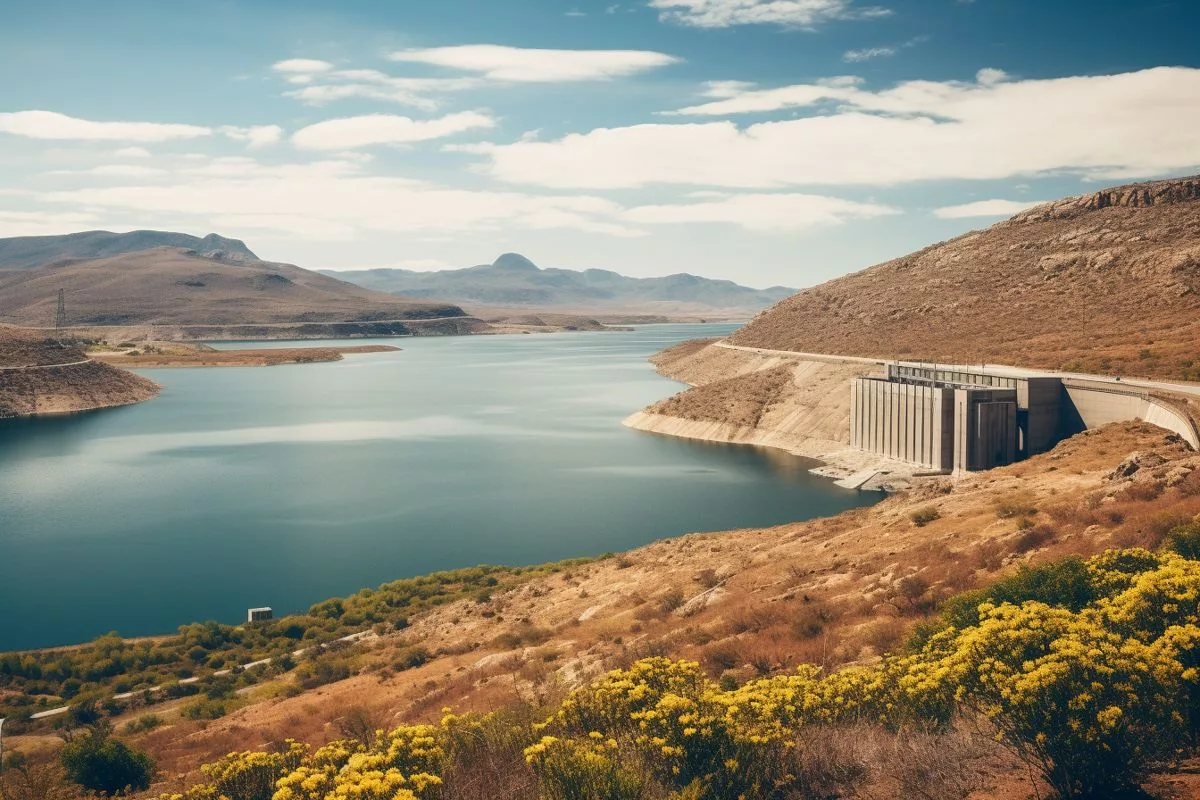

The River Warden Programme in Cape Town is a job creation initiative that aims to preserve the city’s waterways and green areas. River Wardens perform tasks such as eradicating invasive flora, restoring waterways, collecting litter, and building infrastructure. The program has generated over 200 job opportunities since its inception, contributing to redefining the role of green spaces in Cape Town’s urban landscape and promoting social unity.
What is the River Warden Programme in Cape Town?
The River Warden Programme is a job creation initiative in Cape Town that aims to preserve the city’s waterways and green areas while driving socio-economic growth. River Wardens are stationed at key locations throughout Cape Town, performing tasks such as eradicating invasive flora, restoring waterways, collecting litter, and building infrastructure. The program has generated over 200 job opportunities since its inception, contributing to redefining the role of green spaces in Cape Town’s urban landscape.
Upholding a Heritage of Conservation and Empowerment
In recent times, Cape Town has made significant progress in rejuvenating its natural landscapes, endorsing environmental sustainability, and generating meaningful job prospects for its populace. The River Warden Programme has been a key factor in this ongoing renewal, offering an effective means of preserving the city’s waterways and green areas while driving socio-economic growth.
The River Warden Programme’s origins date back to 2011 when Cape Town initiated the Kader Asmal Integrated Catchment Management Project in memory of the late Professor Kader Asmal. This bold effort sought to enhance water quality, revive damaged ecosystems, and encourage environmental guardianship among the city’s inhabitants. Building on this project, the River Warden Programme was introduced in 2012 to further improve the city’s natural surroundings and provide vital employment opportunities for local communities.
Tackling Environmental Care through a Multifaceted Strategy
Under the direction of the City’s Mayoral Priority Programme (MPP), River Wardens are stationed at several key locations throughout Cape Town, such as Rietvlei, Zandvlei, and False Bay Nature Reserves. These committed individuals perform a variety of duties and responsibilities, playing a crucial part in supporting ecosystem well-being and ensuring Cape Town’s natural resources’ enduring viability.
River Wardens carry out essential tasks including eradicating invasive flora, restoring waterways, collecting litter, and building and maintaining vital infrastructure like bird hides and jetties. They are also often summoned to handle emergencies like fish die-offs and oil or sewage leaks, further emphasizing their role in safeguarding Cape Town’s natural legacy.
In addition to their environmental efforts, River Wardens participate in accredited training and on-the-job skill enhancement, which boosts their employability and improves their career prospects. This emphasis on promoting personal and professional development demonstrates the program’s dedication to restoring the city’s environment and uplifting its population.
The Far-Reaching Impacts of Eco-Friendly Job Creation
The River Warden Programme has proven to be a formidable force in combating unemployment and social inequality by generating over 200 job opportunities since its inception. Offering fulfilling employment and stable wages, the program has provided many individuals with a viable alternative to criminality, thus improving community safety and promoting social unity.
Furthermore, the River Warden Programme has contributed to redefining the role of green spaces in Cape Town’s urban landscape. As noted by Alderman Eddie Andrews, the City’s Deputy Mayor and Mayoral Committee Member for Spatial Planning, these revitalized regions now function as flourishing “green lungs,” delivering much-needed relief from the constant bustle of city life. In turn, this contributes to improved air quality, increased biodiversity, and an overall enhancement in the well-being of the city’s residents.
Building a Legacy of Optimism and Encouragement
The River Warden Programme’s dual emphasis on environmental rejuvenation and job creation has been a resounding triumph in Cape Town. By adopting a community-oriented and comprehensive strategy, this initiative has not only fostered a deeper appreciation for the city’s natural wonders but also laid the groundwork for a more vibrant, eco-friendly, and secure future.
As we admire the quiet commitment and relentless efforts of these unsung champions, it’s crucial to remember that their work extends beyond environmental conservation. Instead, they serve as a shining example of how collaboration can help us surmount seemingly insurmountable obstacles and usher in a new age of hope, opportunity, and prosperity for everyone.
1. What is the River Warden Programme in Cape Town?
The River Warden Programme is a job creation initiative in Cape Town that aims to preserve the city’s waterways and green areas while driving socio-economic growth. River Wardens are stationed at key locations throughout Cape Town, performing tasks such as eradicating invasive flora, restoring waterways, collecting litter, and building infrastructure.
2. What is the origin of the River Warden Programme in Cape Town?
The River Warden Programme was introduced in 2012 as part of the Kader Asmal Integrated Catchment Management Project, which sought to enhance water quality, revive damaged ecosystems, and encourage environmental guardianship among the city’s inhabitants.
3. What tasks do River Wardens perform?
River Wardens perform tasks such as eradicating invasive flora, restoring waterways, collecting litter, building and maintaining vital infrastructure like bird hides and jetties, and handling emergencies like fish die-offs and oil or sewage leaks.
4. What are the key locations where River Wardens are stationed?
River Wardens are stationed at several key locations throughout Cape Town, such as Rietvlei, Zandvlei, and False Bay Nature Reserves.
5. How has the River Warden Programme contributed to job creation in Cape Town?
The River Warden Programme has generated over 200 job opportunities since its inception, contributing to combating unemployment and social inequality, providing fulfilling employment and stable wages, and providing a viable alternative to criminality.
6. How has the River Warden Programme contributed to redefining the role of green spaces in Cape Town’s urban landscape?
The River Warden Programme has contributed to redefining the role of green spaces in Cape Town’s urban landscape by revitalizing regions that now function as flourishing “green lungs,” delivering much-needed relief from the constant bustle of city life, and contributing to improved air quality, increased biodiversity, and an overall enhancement in the well-being of the city’s residents.
7. What type of training and skills development do River Wardens receive?
River Wardens participate in accredited training and on-the-job skill enhancement, which boosts their employability and improves their career prospects.
8. What is the overall impact of the River Warden Programme in Cape Town?
The River Warden Programme has been a resounding triumph in Cape Town, fostering a deeper appreciation for the city’s natural wonders, laying the groundwork for a more vibrant, eco-friendly, and secure future, and serving as an example of how collaboration can help us surmount seemingly insurmountable obstacles and usher in a new age of hope, opportunity, and prosperity for everyone.