
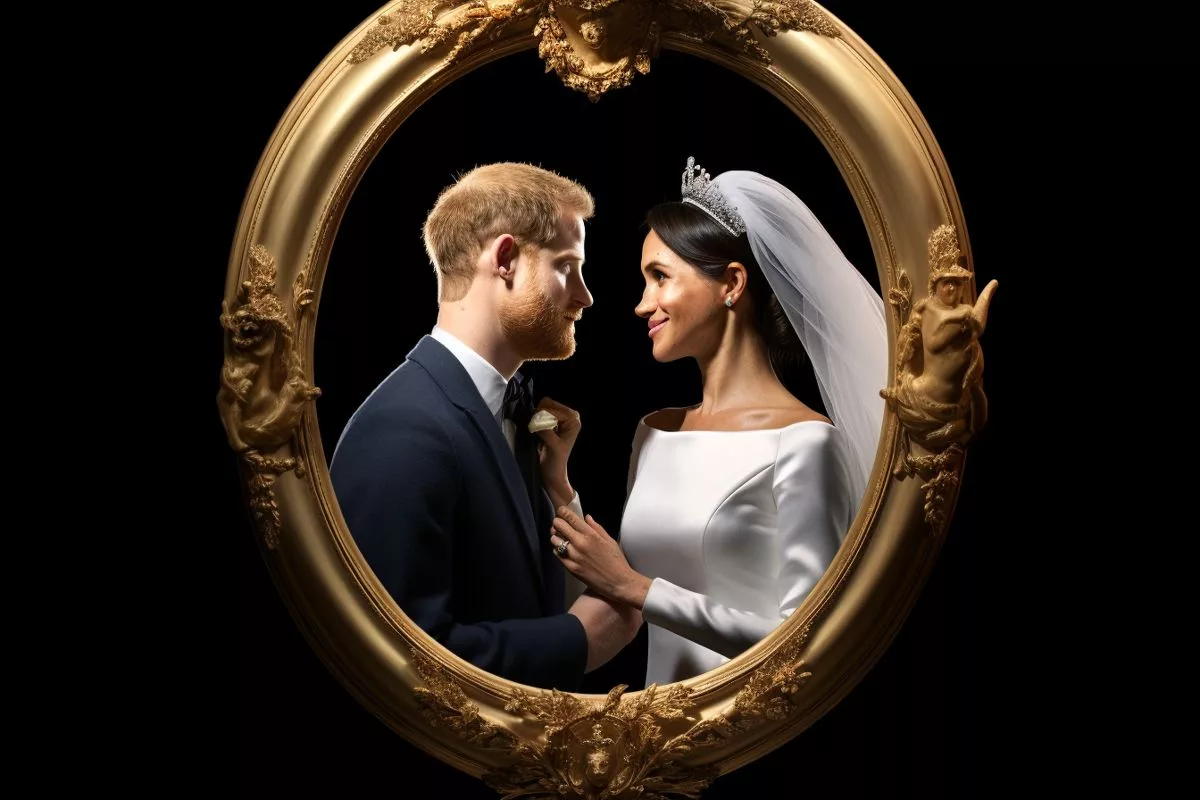
The recent ‘Family Guy’ episode featuring Prince Harry and Meghan Markle has caused controversy, with the royal couple feeling humiliated by the satirical portrayal of their financial situation and status as influencers. While the episode has incited dialogue and criticism, it also highlights the delicate balance between humour and respect in popular culture. As content creators push the boundaries of satire, it’s important to remember that behind the caricatures are real people with personal boundaries that must be respected.
What is the ‘Family Guy’ episode featuring Prince Harry and Meghan Markle about?
The ‘Family Guy’ episode featuring Prince Harry and Meghan Markle is a satirical illustration of the royal couple, poking fun at their financial situation and their status as influencers. Although the episode has garnered laughter and applause, the couple perceives themselves as the targets of a joke that undermines their societal status. The controversy surrounding the episode brings forth questions concerning the effects of satirical entertainment on those being parodied and the potential fallout.
The Animated Reflection of Society
The world of popular culture is constantly morphing, and animated series have always taken a front seat in reflecting societal observations through comedic exaggerations. A stellar example of this genre is the well-acknowledged ‘Family Guy’. Recently, the show featured an episode that put Prince Harry and Meghan Markle, the Duke and Duchess of Sussex, in the limelight. This satirical illustration of the royal couple has unleashed waves of laughter, applause, and debates among the public. However, it has also triggered a less than enthusiastic response from the royals themselves.
As the digital world revels in amusement, the couple finds themselves depicted in an unsavoury light. The controversial episode portrays caricatures of Harry and Meghan lounging by the pool, while a servant showers them with a generous amount of cash. The storyline then delves into the couple’s financial situation, poking fun at their multi-million-pound deal with Netflix – a decision made after they stepped down from their royal duties.
Moreover, the Duchess’ animated counterpart suggests they should allow their Instagram followers a glimpse into their daily lives. The humour in this instance is understated yet sharp, questioning the couple’s status as influencers and their financial journey post their notorious ‘Megxit’.
Caught in the Crossfire of Satire
Despite the comical undertones of the episode, close confidants of the couple have criticised it as an ‘outrageous slur’ and ‘unfair’. The Duke and Duchess perceive themselves as the targets of a joke that undermines their societal status. As per the Mirror, the couple feels ‘humiliated’ and are in a state of ‘panic’.
An informant, as cited by the Mirror, discloses that the couple feels ‘they are not being taken seriously by people’. This disclosure highlights the fragile equilibrium between humour and respect. It brings forth questions concerning the effects of satirical entertainment on those being parodied and the potential fallout.
The episode goes beyond testing the couple’s public persona and stirs up the storm surrounding their withdrawal from royal responsibilities. It even hints at them being labeled as ‘self-entitled grifters’ or ‘spoilt brats’. The couple’s distress is further unveiled by another source speaking to Closer Magazine, who states that Meghan thinks the answer to revamping their image could be the Duke seeking forgiveness from his family.
Satire’s Role in Popular Culture: A Balancing Act
The ‘Family Guy’ episode and Harry and Meghan’s subsequent responses provide a fascinating perspective on satire’s role and influence in popular culture. Animated sitcoms like ‘Family Guy’ hold a unique ability to incite dialogue, criticism, and in this case, controversy, by providing comedic and exaggerated commentary on societal matters and individuals.
Nonetheless, it’s crucial to remember that behind these animated parodies are real people. The episode acts as a reminder that while satire serves as a source of entertainment and critique, it can sometimes invade the realm of personal offence.
As discussions around this episode continue to brew on social media, it underscores the intricate relationship between satire, popular culture, and individual dignity. It highlights the tightrope content creators must walk between eliciting laughter, stimulating thought, and respecting personal boundaries.
1. What is the ‘Family Guy’ episode featuring Prince Harry and Meghan Markle about?
The ‘Family Guy’ episode featuring Prince Harry and Meghan Markle is a satirical illustration of the royal couple, poking fun at their financial situation and their status as influencers.
2. What has been the response to the ‘Family Guy’ episode by the royal couple?
The Duke and Duchess of Sussex perceive themselves as the targets of a joke that undermines their societal status. They feel ‘humiliated’ and are in a state of ‘panic’.
3. What questions does the controversy around the ‘Family Guy’ episode bring forth?
The controversy surrounding the episode brings forth questions concerning the effects of satirical entertainment on those being parodied and the potential fallout.
4. What does the ‘Family Guy’ episode highlight about satire and its role in popular culture?
The episode acts as a reminder that while satire serves as a source of entertainment and critique, it can sometimes invade the realm of personal offence. It highlights the tightrope content creators must walk between eliciting laughter, stimulating thought, and respecting personal boundaries.
5. How do animated sitcoms like ‘Family Guy’ reflect societal observations?
Animated sitcoms like ‘Family Guy’ have always taken a front seat in reflecting societal observations through comedic exaggerations.
6. What is the delicate balance between humour and respect in popular culture?
The delicate balance between humour and respect in popular culture highlights the intricate relationship between satire, popular culture, and individual dignity. It underscores the need for content creators to respect personal boundaries while still eliciting laughter and stimulating thought.