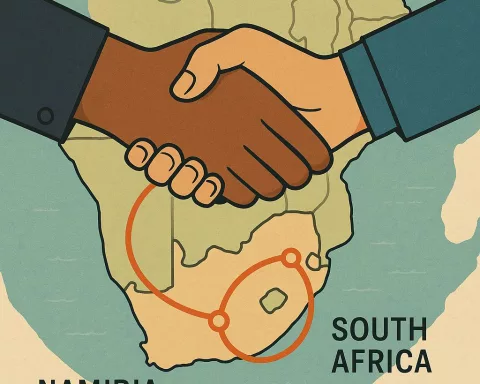
In 2023, South Africa’s electricity supplier, Eskom, implemented Stage 6 load shedding to prevent a complete power system failure during peak demand. The decision was accompanied by a live-streamed briefing, which aimed to provide transparency and responsibility, acknowledging the challenges to the people and striving to provide a better understanding of the intricacies that govern their power supply. The briefing served as a stark reminder of the interconnectedness of our lives and the systems we depend on, the demand-supply equilibrium, and the nation’s strive towards a sustainable future.
South Africa’s electricity supplier, Eskom, implemented Stage 6 load shedding in 2023 to prevent a complete power system failure during peak demand. The decision was not taken lightly and was accompanied by a live-streamed briefing explaining the situation’s intricacies and mitigating steps in place. The briefing was about transparency and responsibility, acknowledging the challenges to the people and striving to provide not just answers, but a better understanding of the intricacies that govern their power supply.
The Unfolding Power Crisis in South Africa
On a November afternoon in 2023, Dr. Kgosientsho Ramokgopa, the Minister in the Presidency for Electricity, strode onto the stage at the GCIS Auditorium in Pretoria. Alongside him were the executives of Eskom, the leading electricity supplier in South Africa. The topic, an arduous one, revolved around Eskom’s impending implementation of Stage 6 load shedding, a move that could drastically impact the entire nation.
Although the term “load shedding” might seem harmless, its implications are far from it. Load shedding entails a purposeful reduction in the electricity supply to certain regions during periods of peak demand to prevent a complete power system failure. Stage 6 load shedding, the most extreme level, signifies a cut of 6000 MW, a step reserved for dire circumstances.
Dr. Ramokgopa, a nationally significant figure, addressed the audience who were ready to document every critical word and capture the event on camera. The gravity of the situation was palpable. There was a collective understanding of the crucial role that electricity plays in every sphere of life, from powering hospitals and businesses to simply charging a mobile phone or illuminating homes.
The Decision and its Implications
The move towards Stage 6 load shedding wasn’t a decision taken lightly. Eskom’s executives, accompanying Ramokgopa on stage, were deeply aware of the potential repercussions on the economy, daily life and public perception of the utility company. Nonetheless, they recognised the necessity of this decision to prevent the power system from collapsing under the strain of high demand.
The briefing was live-streamed across several platforms, enabling anyone from the bustling city of Johannesburg to the serene outskirts of Cape Town to follow the unfolding story. The governmental communication platform, GovernmentZA, hosted the live stream on popular social media sites such as Facebook and Twitter, as well as on YouTube.
As viewers from all over tuned in, Eskom executives took turns to explain the situation’s intricacies, the events leading up to the decision, and the mitigating steps in place. The narrative, interspersed with concrete facts and figures, was delivered with a sense of urgency, responsibility, and a keen understanding of the implications.
The Aftermath and Way Forward
Dr. Ramokgopa, the briefing’s linchpin, not only conveyed information but provided a crucial context. His role was to connect the dots between the technical world of power supply and the daily lives of South African citizens. The objective was evident: to elucidate the reasons behind the necessity for Stage 6 load shedding, recognise its impact, and outline a way forward.
In the aftermath of the briefing, questions began to flood in from various media channels. Journalists took this chance to delve deeper into different aspects of the briefing. Designated media enquiry personnel, Tsakane Khambane and Daphne Mokoena, handled these queries, ensuring clear communication and addressing every concern.
In broader terms, the briefing was more than just about the implementation of Stage 6 load shedding. It was about transparency and responsibility. It was about a government and a power company acknowledging the challenges this would pose to the people and striving to provide not just answers, but a better understanding of the intricacies that govern their power supply.
As South Africa navigated through this period, the briefing served as a stark reminder: of the interconnectedness of our lives and the systems we depend on, the demand-supply equilibrium, and the resilience that often emerges out of necessity. It was a moment in a much larger narrative – that of a nation striving to manage its resources, satisfy its people’s needs, and move towards a sustainable future.
1. What is load shedding and why was Stage 6 load shedding implemented in South Africa?
Load shedding is a purposeful reduction in the electricity supply to certain regions during periods of peak demand to prevent a complete power system failure. Stage 6 load shedding signifies a cut of 6000 MW, a step reserved for dire circumstances. In 2023, Eskom implemented Stage 6 load shedding to prevent a complete power system failure during peak demand.
2. What was the live-streamed briefing about?
The live-streamed briefing aimed to provide transparency and responsibility, acknowledging the challenges to the people and striving to provide a better understanding of the intricacies that govern their power supply. It explained the situation’s intricacies and the mitigating steps in place.
3. Who addressed the audience during the live-streamed briefing?
Dr. Kgosientsho Ramokgopa, the Minister in the Presidency for Electricity, addressed the audience during the live-streamed briefing. He was accompanied by the executives of Eskom, the leading electricity supplier in South Africa.
4. How was the live-streamed briefing made available to the public?
The briefing was live-streamed across several platforms, hosted by the governmental communication platform, GovernmentZA, on popular social media sites such as Facebook and Twitter, as well as on YouTube.
5. What was the objective of the live-streamed briefing?
The objective of the live-streamed briefing was to elucidate the reasons behind the necessity for Stage 6 load shedding, recognize its impact, and outline a way forward. It was more than just about the implementation of Stage 6 load shedding; it was about transparency and responsibility in acknowledging the challenges posed to the people.
6. What was the aftermath of the live-streamed briefing?
Journalists took the chance to delve deeper into different aspects of the briefing, and designated media enquiry personnel handled these queries, ensuring clear communication and addressing every concern. In broader terms, the briefing served as a stark reminder of the interconnectedness of our lives and the systems we depend on, the demand-supply equilibrium, and the resilience that often emerges out of necessity.