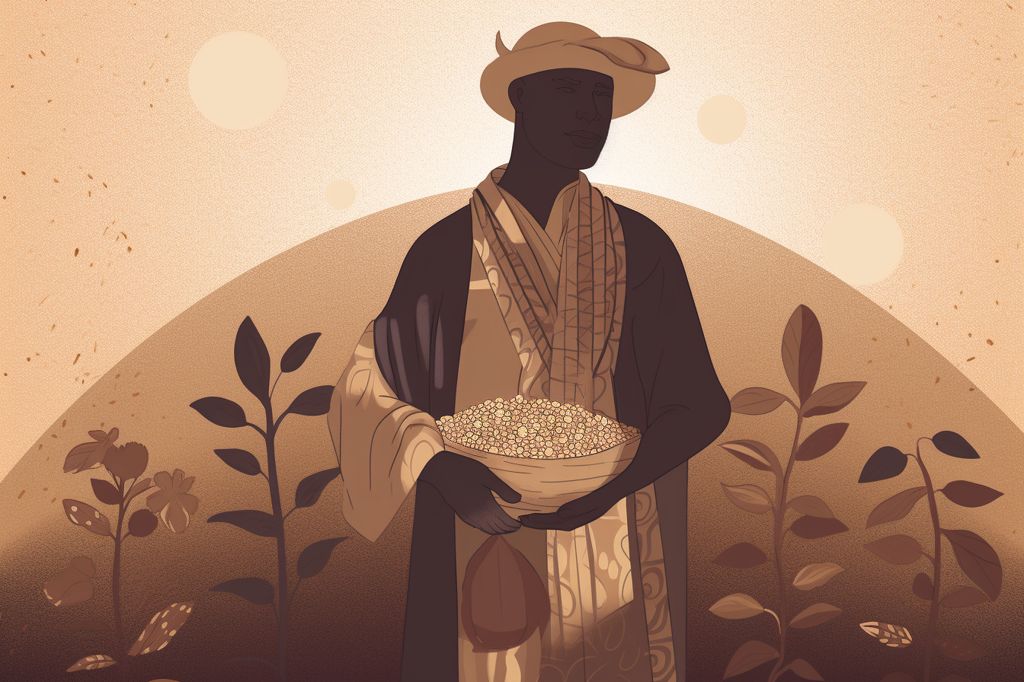
The Last Seed: A Call to Action for Seed Sovereignty and Sustainable Agriculture in Africa

1 min read
seed sovereignty sustainable agriculture

Seed sovereignty is a crucial issue facing small-scale farmers and communities in Africa. The Last Seed is a timely and important film that explores the impact of seed patenting on farmers and their livelihoods. This article will discuss the film’s key themes and its call to action for sustainable agriculture.

Seed Sovereignty and the Right to Control Seeds

Seed sovereignty is the right of farmers and communities to save, exchange, and sell their seeds without facing legal or financial barriers. The Last Seed highlights how multinational corporations have been given the power to patent seeds in Africa. Farmers can only save, exchange, or sell seeds if they face legal action. The film shows how this has profound implications for food security and the livelihoods of small-scale farmers. However, the film demonstrates how farmers fight against seed patenting and reclaim their right to control their seeds.

Newsletter

Stay Informed • Cape Town

Get breaking news, events, and local stories delivered to your inbox daily. All the news that matters in under 5 minutes.

Join 10,000+ readers
No spam, unsubscribe anytime

Agroecology: A Sustainable Farming Approach

The Last Seed also touches on the impact of climate change on agriculture and the need for resilience in farming practices. The farmers featured in the film are practicing agroecology, a farming approach that prioritizes biodiversity, soil health, and the use of local resources. This approach is particularly effective in adapting to climate change, allowing farmers to adapt to changing weather patterns and extreme weather events. By focusing on agroecology, the film provides a positive vision of the future of agriculture: sustainable, resilient, and just.

Educational Resources and Call to Action

In addition to the film, The Last Seed has a range of educational resources available on its website, including a discussion guide, a seed sovereignty toolkit, and a teacher’s guide. These resources are designed to help people engage with the issues raised in the film and take action in their communities. The Last Seed is more than just a film; it is a call to action for all of us to take responsibility for the future of our food systems.

The Last Seed is a powerful and influential film that raises awareness about Africa’s modern-day food and agriculture crises. Through its compelling narrative and beautiful visuals, the film offers a unique perspective on the delicate balance between humanity and the planet. In addition, the film’s exploration of seed sovereignty and agroecology provides a positive vision for the future of agriculture. The Last Seed is a must-see for anyone interested at the end of our food systems and the critical need for change.
Kagiso Petersen is a Cape Town journalist who reports on the city’s evolving food culture—tracking everything from township braai innovators to Sea Point bistros signed up to the Ocean Wise pledge. Raised in Bo-Kaap and now cycling daily along the Atlantic Seaboard, he brings a palpable love for the city’s layered flavours and even more layered stories to every assignment.

Leave a Reply

Your email address will not be published.

Previous Story

Bulls Daisies: South Africa’s First Professional Women’s Rugby Team

Next Story

Maputaland Community Radio107.6 FM: A Lifeline for the Community

Latest from Blog

Between Concrete and Current – Four Inland Hearts Meet the Indian Ocean

This article tells a beautiful story of four South Africans from inland places who see the Indian Ocean for the very first time. For many, the sea is just a picture, far away and hard to reach. But when these brave people finally touch the salty water, it changes them deeply. They feel the ocean’s power, taste its salt, and understand that this huge, blue world is now a part of their own story, breaking down old ideas about who can connect with the sea.

A Teenager in a White Coat: How One Student Shattered South Africa’s Medical Age Record

{“summary”: “Imagine a whiz kid, David Obagbuwa, who started high school at 11 and became a doctor at just 21! He shattered South Africa’s medical age record, proving that a sharp mind and hard work can achieve amazing things. From classrooms in KwaZuluNatal to intense medical studies, David tackled every challenge. Even during lockdown, he quickly mastered his courses. Now, he’s ready to help people, showing that big dreams can come true, no matter how young you are.”}

Martian Dust, Carbon ankles & a R4-million Promise: Inside the 2026 Cape Epic’s Mobility Rebellion

Get ready for the 2026 Cape Epic, but this isn’t just any bike race! Three special teams, using amazing robotic legs and carbon ankles, will tackle the tough trails. They’re racing to raise R4 million to buy 200 new prosthetic limbs, 150 wheelchairs, and 50 sports blades for people in South Africa who need them. Every pedal stroke helps someone gain freedom and move again, showing that movement is for everyone, not just a few. This epic journey turns sweat into hope, changing lives one kilometer at a time.

Cape Town’s Shadow State: How Extortion Became the New Township Taxman

Cape Town has a big problem: bad guys are shaking down businesses and projects for money. They act like “taxmen” in townships, making building costs shoot up and forcing small shops to close. These criminals cause fear, stop important work, and even kill people who get in their way. It’s like a shadow government taking over, making life hard for everyone and costing the city tons of money. People are scared, and it’s unclear how this dangerous situation will ever truly end.