Addressing Gender-Based Violence in South Africa’s Post-Education and Training Sector

1 min read
south africa gender-based violence

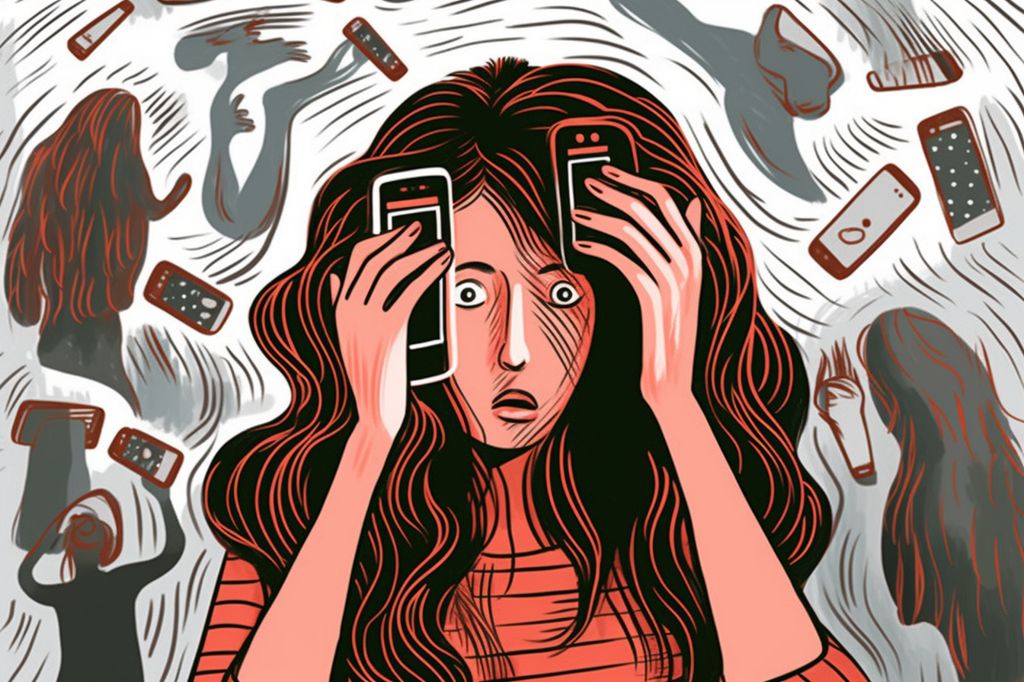
Gender-based violence (GBV) remains critical in South Africa’s post-education and training sector. Female students are particularly vulnerable to experiencing physical and psychological harm, as demonstrated by a Higher Health (HH) study, which found that 62% of South African students feel unsafe on campus.

In response to this pressing issue, the Department of Higher Education and Training, in collaboration with HH, introduced a GBV policy framework in 2020. This framework aimed to address GBV by forming a GBV task team of experts in various fields to assist institutions in tackling GBV.

Newsletter

Stay Informed • Cape Town

Get breaking news, events, and local stories delivered to your inbox daily. All the news that matters in under 5 minutes.

Join 10,000+ readers
No spam, unsubscribe anytime

Development of Protocols

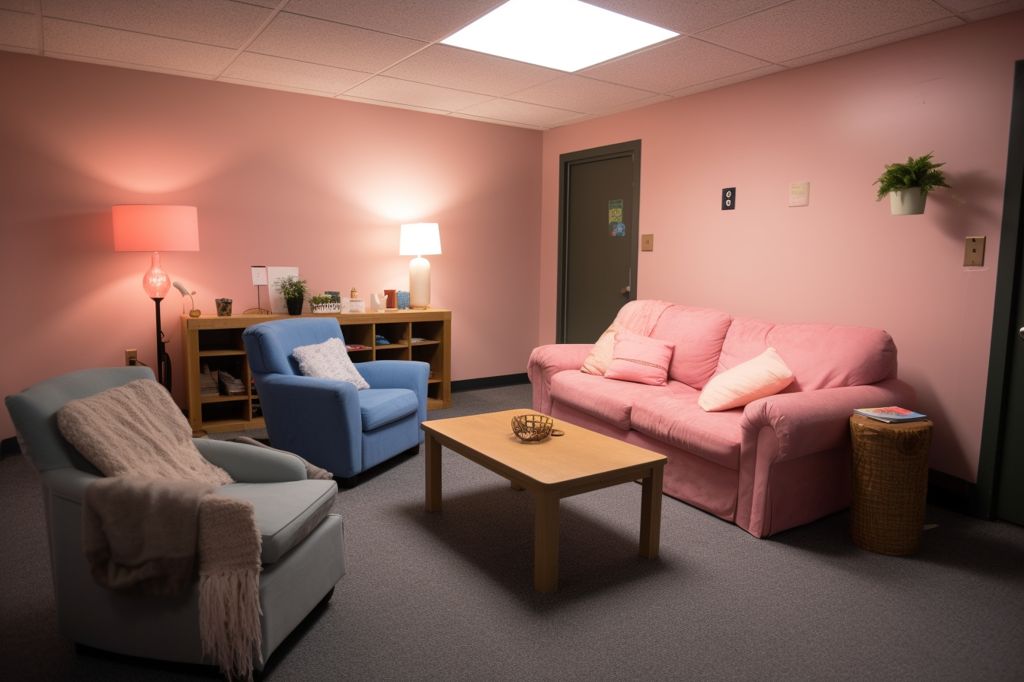
HH played a significant role in this initiative by developing eight protocols that facilitate measures such as safe rooms, disciplinary committees, and evidence collection, ensuring that the evidence stands up in court. These protocols are designed to create a collaborative response to GBV involving institutional management, academia, transformation/gender officers, security and other staff, student formations, and policing and justice agencies.

Unveiling of the Measures

Recently, the Deputy Minister of Higher Education, Science & Innovation, Mr. Buti Manamela, Deputy Minister John Jeffrey of Justice and Correctional Services, and Deputy Minister Cassel Charlie Mathale of Police unveiled these measures to the media at the UNISA Bamboo Auditorium.

Importance of Implementation

The implementation of these protocols is a significant step towards ensuring the safety of South Africa’s students and eradicating GBV in the country’s post-education and training sector. However, more work must be done to create an environment where all students feel safe and secure on campus.

Implementing the GBV policy framework and protocols is a crucial step toward addressing the issue of GBV in South Africa’s post-education and training sector. It is essential to continue the collaborative efforts of institutions, experts, and stakeholders to create a safer environment for all students.

Isabella Schmidt is a Cape Town journalist who chronicles the city’s evolving food culture, from Bo-Kaap spice merchants to Khayelitsha microbreweries. Raised hiking the trails that link Table Mountain to the Cape Flats, she brings the flavours and voices of her hometown to global readers with equal parts rigour and heart.

Leave a Reply

Your email address will not be published.

Previous Story

The Krugersdorp Attack Raises Concerns About Information Handling by the South African Police Service

Next Story

Understanding the Importance of the Firefighting Profession: Cape Town’s Fire & Rescue Service Open Day

Latest from Blog

A Teenager in a White Coat: How One Student Shattered South Africa’s Medical Age Record

{“summary”: “Imagine a whiz kid, David Obagbuwa, who started high school at 11 and became a doctor at just 21! He shattered South Africa’s medical age record, proving that a sharp mind and hard work can achieve amazing things. From classrooms in KwaZuluNatal to intense medical studies, David tackled every challenge. Even during lockdown, he quickly mastered his courses. Now, he’s ready to help people, showing that big dreams can come true, no matter how young you are.”}

Martian Dust, Carbon ankles & a R4-million Promise: Inside the 2026 Cape Epic’s Mobility Rebellion

Get ready for the 2026 Cape Epic, but this isn’t just any bike race! Three special teams, using amazing robotic legs and carbon ankles, will tackle the tough trails. They’re racing to raise R4 million to buy 200 new prosthetic limbs, 150 wheelchairs, and 50 sports blades for people in South Africa who need them. Every pedal stroke helps someone gain freedom and move again, showing that movement is for everyone, not just a few. This epic journey turns sweat into hope, changing lives one kilometer at a time.

Cape Town’s Shadow State: How Extortion Became the New Township Taxman

Cape Town has a big problem: bad guys are shaking down businesses and projects for money. They act like “taxmen” in townships, making building costs shoot up and forcing small shops to close. These criminals cause fear, stop important work, and even kill people who get in their way. It’s like a shadow government taking over, making life hard for everyone and costing the city tons of money. People are scared, and it’s unclear how this dangerous situation will ever truly end.

The Woman Who Taught Cape Town to Breathe Under Fire

Arlene Wehr taught Cape Town how to fight fires like a boss! She was one of the first women firefighters and totally changed the game. Arlene created cool new ways to find water, like “Operation Liquid Grid,” and made sure everyone had a chance to become a firefighter, even women. Because of her, Cape Town is safer, and the fire department is much more welcoming to all.

Morea House: Where the Atlantic Meets Art, Granite and Ghost-Nets

Morea House is Cape Town’s first fancy Marriott hotel, born from an old 1960s building. It shines with blushpink walls and art made from old fishing nets, making it feel truly special. This hotel is all about local beauty, from its design to its food, and even how it saves the planet. Imagine rooftop pools, unique spa experiences, and rooms where you wake up to amazing views. It’s a place where every detail tells a story of the ocean and the land, making your stay unforgettable.