
The festive period in Western Cape has been marred by a tragic loss of 76 lives due to road accidents. The fatalities are not isolated incidents, and the region saw a similar number of deaths last year. Neglecting vehicle maintenance, not wearing seat belts, drunk driving, and speeding are some of the significant contributors to these accidents. The responsibility falls on every road user to make wise choices to ensure safer roads and more joyous holidays.
An unsettling festive period in Western Cape: The celebratory mood has been dampened by an unsettling occurrence, a grim cloud that refuses to lift. The roads have witnessed a tragic loss of 76 lives since December’s inception, a worrying testament to the hidden perils of the holiday season.
A Darker Side to the Holidays
Western Cape, a region popular for its sun-kissed beaches and the allure of Cape Town, has experienced a bleak festive period this year. The celebratory mood has been dampened by an unsettling occurrence, a grim cloud that refuses to lift. The roads have witnessed a tragic loss of 76 lives since December’s inception, a worrying testament to the hidden perils of the holiday season.
According to Arrive Alive’s road safety update midway through the festivities, these fatalities are not an isolated event. The report draws attention to an unsettling pattern. The present scenario depressingly mirrors the same period last year, which saw 77 fatalities due to road accidents. The sameness of these figures from one year to the next suggests a persisting problem that has so far eluded all attempts at curbing it, despite increased law enforcement and growing public awareness.
Surprisingly, these accidents did not target a specific demographic. Forty-five percent of the victims were pedestrians, and the remaining fatalities were a mix of passengers, drivers, and motorcyclists. This confirms that the hazard is not confined solely to those driving vehicles.
The Causes Behind the Tragedy
Arrive Alive’s statement makes a critical observation that many of these incidents could have been averted. Several common errors were identified as significant contributors, including neglecting vehicle and tyre maintenance, not using seatbelts, and embarking on risky activities like drunk driving, speeding, and dangerous overtaking. But, perhaps the most shocking revelation was the role of inattention in these fatal mishaps.
The emerging trend of using mobile phones or the dangerous act of dozing off while driving has been implicated in drivers losing control of their vehicles. The shift from expected night-time accidents towards daytime casualties adds another dimension to this distressing depiction of road safety in the Western Cape region.
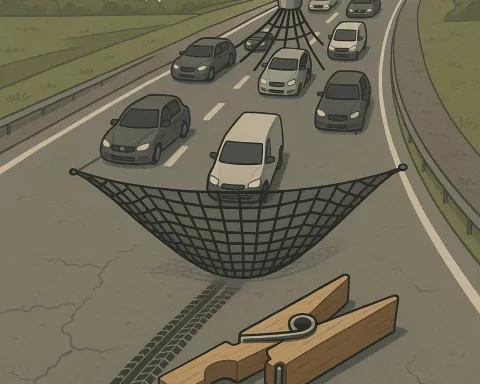
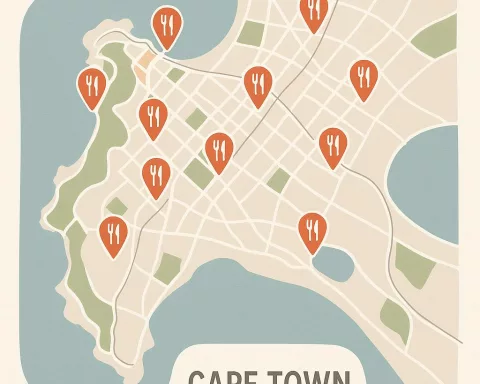
The geographical distribution of these accidents is also worth noting. The Metro, Garden Route, Cape Winelands, and the West Coast – all favoured tourist attractions – are, regrettably, also road accident hotspots. Western Cape Provincial Traffic Officers, aided by predictive analysis systems, are tactically positioned in these areas, focusing on the primary routes where speeding and reckless driving are likely to cause crashes.
Hardworking Traffic Services to Curb the Issue
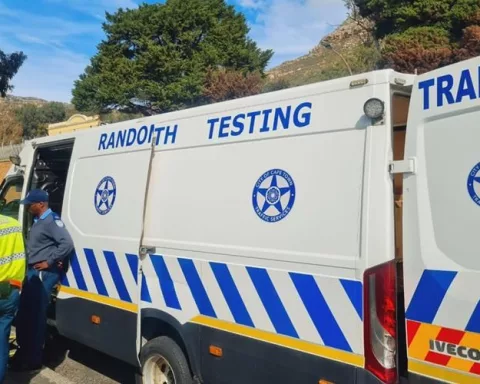
The statistics for the period between 1st and 20th December demonstrate the enormous efforts put in by the provincial traffic services. More than nine hundred integrated roadblocks, vehicle checkpoints, and speed control operations were undertaken, with over a hundred thousand vehicles checked across the region. These checks led to a significant amount of fines, impoundments, and vehicle discontinuations.
The range of offences committed is wide, stretching from extreme speeding to attempted corruption of traffic officers. The audacity of violators is breathtaking, with record-breaking speeds frequently observed in various speed zones. The magnitude of these offences, contrasted with the variety of crimes leading to apprehensions, serves as a stark wake-up call to the arduous task faced by the traffic authorities.
A Global Issue That Needs Collective Action
The situation in Western Cape is symptomatic of a larger, worldwide problem. The holiday period should be about happiness and festivities, not mourning for tragically lost loved ones. With initiatives like Arrive Alive striving to raise awareness and ensure adherence, it is the responsibility of every road user to contribute. Small actions like wearing seatbelts, adhering to speed limits, or taking breaks during long journeys can have significant impacts.
In conclusion, the responsibility falls on us – the road users – to make wise choices. It is imperative to remember that behind every reported statistic is a prematurely ended life, a grieving family, and a narrative cut short. The holiday season does not need to be linked with tragedy; with shared efforts and responsible behaviour, safer roads and more joyous holidays in Western Cape, and the world over, are achievable.
1. What is the current situation in Western Cape during the festive period?
The festive period in Western Cape has been marred by a tragic loss of 76 lives due to road accidents, which is not an isolated incident, and the region saw a similar number of deaths last year.
2. What are the significant contributors to road accidents in Western Cape?
Neglecting vehicle maintenance, not wearing seat belts, drunk driving, and speeding are some of the significant contributors to road accidents in Western Cape.
3. Who is responsible for ensuring safer roads during the festive period?
The responsibility falls on every road user to make wise choices to ensure safer roads and more joyous holidays.
4. What is the role of Western Cape Provincial Traffic Officers in curbing road accidents?
Western Cape Provincial Traffic Officers, aided by predictive analysis systems, are tactically positioned on primary routes where speeding and reckless driving are likely to cause crashes.
5. Is the road accident problem confined solely to those driving vehicles?
No, 45% of the victims were pedestrians, confirming that the hazard is not confined solely to those driving vehicles.
6. What can be done to reduce the number of road accidents during the festive period?
Small actions like wearing seatbelts, adhering to speed limits, or taking breaks during long journeys can have significant impacts. It is imperative to remember that behind every reported statistic is a prematurely ended life, a grieving family, and a narrative cut short.