
The Cape Peninsula Baboon Management Joint Task Team is promoting sustainable development by encouraging public participation in a unique initiative that combines environmental conservation with community involvement. The Cape Peninsula Baboon Strategic Management Plan serves as a guideline for sustainable baboon management, with the task team urging the public to formulate area-specific actions that are effective and approved by local inhabitants. The initiative champions active public involvement and sets a benchmark for other regions to follow in the quest for sustainable development. Meanwhile, Cape Town offers a multitude of affordable activities to explore, and the combination of community involvement and environmental conservation could be the key to a sustainable future.
How is the Cape Peninsula Baboon Management Joint Task Team promoting sustainable development?
The CPBMJTT is rallying the public to participate in a unique initiative that combines environmental conservation with community involvement. The Cape Peninsula Baboon Strategic Management Plan serves as a comprehensive guideline for the sustainable management of these creatures. The task team urges the public to absorb the knowledge laid out in the plan and collaboratively formulate area-specific actions that will be both effective and approved by local inhabitants.
Nested within the lush and vibrant terrain of the Cape Peninsula, a unique initiative is sprouting, combining environmental conservation with community involvement. The subject of this groundbreaking initiative? The distinctive Chacma baboons, recognized for their remarkable presence in this scenic landscape. The Cape Peninsula Baboon Management Joint Task Team (CPBMJTT) is rallying the public to participate in this innovative endeavor that strongly aligns with the principles of sustainable development.
The CPBMJTT, a joint entity that includes representatives from the South African National Parks (SANParks), CapeNature, and the City of Cape Town, supports this plan. The Cape Peninsula Baboon Strategic Management Plan (CPBSMP), newly adopted and publicly available, serves as a comprehensive guideline for the sustainable management of these creatures.
For the CPBSMP to materialize, it’s vital to tailor it to the local context, considering the specific needs, resources, and geographical peculiarities of the affected communities. The task team therefore urges the public to absorb the knowledge laid out in the CPBSMP and the baboon-proof fencing summary report. The overarching aim is to collaboratively formulate area-specific actions that will be both effective and approved by local inhabitants.
Community Engagement and Government Collaboration
The South African Government News Agency discloses that drafting of the plan began in June, stimulated by roundtable discussions on baboon management within the Cape Peninsula. In January 2023, the draft was subjected to public review, followed by a stakeholder engagement meeting in Tokai in March.
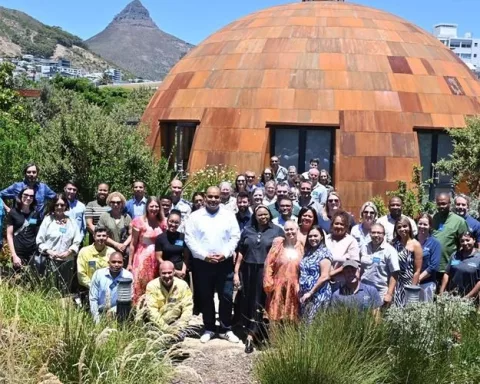
Throughout the public participation period, the CPBMJTT received and evaluated over 800 individual comments from the public, indicative of a robust engagement from the community. This process was further cemented in July 2023, when the three spheres of government – SANParks, CapeNature, and the City of Cape Town – ratified a Memorandum of Agreement, setting a foundation for future collaboration.
The CPBSMP adheres to a transparency principle, available to everyone through various channels, including the official websites of SANParks, CapeNature, and the City of Cape Town. Additional information about the initiative’s process and progress will be disclosed at the start of next year.
The initiative advanced by CPBMJTT truly encapsulates a democratic approach to environmental preservation, actively eliciting and integrating public feedback into the sustainable management plan. It champions active public involvement, transforming citizens from passive receivers of top-down regulations to active participants in bottom-up strategies. In doing so, it sets a benchmark for other regions to follow, demonstrating how community participation can be effectively leveraged in the quest for sustainable development.
Exploring Opportunities and Adventures in Cape Town
Inspired by the CPBMJTT’s initiative, we should consider exploring potential ventures in our own surroundings. The world provides us with a wealth of opportunities for us to discover and engage with.
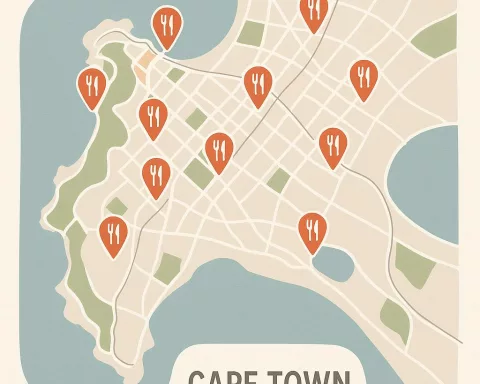
Cape Town, always ready for exploration, offers a multitude of activities to spark and sustain your interest, many of which are remarkably affordable. Whether you’re a local inhabitant or a visiting tourist, these discounted packages aim to deliver exceptional experiences at a reduced price. Ranging from informative historical tours to heart-pounding adventures, there’s something for every taste.
In this lively city, even your means of transportation can be part of the adventure. Exceptional car deals under 100k are available, empowering you to unlock your inner adventurer. Armed with the right vehicle, Cape Town’s picturesque landscapes become more accessible than ever.
Looking Forward to a Sustainable Future
As we eagerly await further updates on CPBMJTT’s innovative baboon management initiative, let’s pause and appreciate Cape Town’s beauty and the inspiring work underway to protect its unique inhabitants. As we cast an eye to the future, the combination of community involvement and environmental conservation could be the key to sustainable development.
1. How is the Cape Peninsula Baboon Management Joint Task Team promoting sustainable development?
The CPBMJTT is promoting sustainable development by encouraging public participation in a unique initiative that combines environmental conservation with community involvement.
2. What is the Cape Peninsula Baboon Strategic Management Plan?
The Cape Peninsula Baboon Strategic Management Plan serves as a comprehensive guideline for the sustainable management of baboons in the Cape Peninsula.
3. How can the public participate in the initiative?
The task team urges the public to absorb the knowledge laid out in the CPBSMP and the baboon-proof fencing summary report. The public is encouraged to collaboratively formulate area-specific actions that will be both effective and approved by local inhabitants.
4. How was the CPBSMP developed?
The drafting of the plan began in June, stimulated by roundtable discussions on baboon management within the Cape Peninsula. It was subjected to public review in January 2023, followed by a stakeholder engagement meeting in March.
5. What is the transparency principle of the CPBSMP?
The CPBSMP adheres to a transparency principle, available to everyone through various channels, including the official websites of SANParks, CapeNature, and the City of Cape Town.
6. What activities can be done in Cape Town?
Cape Town offers a multitude of affordable activities to explore, ranging from informative historical tours to heart-pounding adventures. Exceptional car deals under 100k are also available, empowering you to unlock your inner adventurer.