
The recent discharge of David Teeger as captain of South Africa’s U-19 cricket team has caused a global controversy, drawing criticism from some over the International Cricket Council’s refusal to intervene. Teeger’s dismissal is believed to have been politically motivated, highlighting the need for sports governing bodies to take a more proactive stance in preserving the principles of sportsmanship, fairness, and meritocracy. The situation has brought to light the larger issue of how to safeguard sports from socio-political interferences.
Unrest in the ICC: The Global Commotion Caused by David Teeger’s Discharge as U-19 Captain. Cricket South Africa’s recent dismissal of David Teeger as the captain of their U-19 team has ignited vigorous debates and drawn the gaze of the international community. The International Cricket Council’s refusal to intervene drew criticism from some quarters, with critics suggesting that the ICC’s failure to step in might blemish its reputation. The Teeger saga highlights the necessity for sports governing bodies to adopt a more proactive stance.
A Game of Cricket Marred by Politics
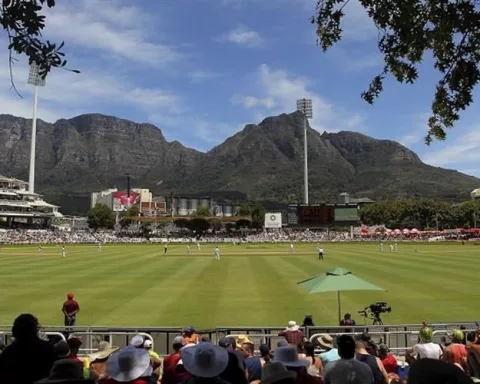
In a world where borders seem to shrink with every passing day, sports have emerged as an unexpected arena where politics, race, and religion too often collide. Amidst this tangled mesh of social issues, cricket, the sport widely regarded as a gentleman’s game, finds itself caught in a controversy that has garnered global attention. Cricket South Africa’s (CSA) recent dismissal of David Teeger, a highly talented young player, as the captain of their U-19 team has ignited vigorous debates and drawn the gaze of the international community.
David Teeger, a rising star in the world of cricket, was all set to guide South Africa’s U-19 team at the Cricket World Cup, which commenced in Potchefstroom on January 15. But, in an unforeseen chain of events, his captaincy was abruptly terminated just days before the event. The cause behind this decision reportedly lay not with Teeger’s sportsmanship or leadership skills, but with political interference, a clear deviation from the principles that sports should ideally promote.
ICC’s Refusal to Intervene: A Blot on its Image?
When the International Cricket Council (ICC), the worldwide authority on cricket, was sought for intervention, they chose to remain uninvolved. On January 16, an ICC representative revealed to The Guardian, “The matter of team selection, including the captaincy, is a responsibility of the member nations and not the ICC. The international federation is not designed to interfere in team selections.” This stance drew flak from some quarters, with critics suggesting that the ICC’s failure to step in might blemish its reputation.
The turbulence caused by Teeger’s dismissal reached a crescendo when CSA conducted a meeting with representatives from the South African Jewish community to placate the discord. Post the meeting, Zev Krengel, the SAJBD’s national vice-president, expressed his dissatisfaction and stressed that the ICC’s silence on this matter would bring a “black mark” to its name.
Unraveling the Truth Behind Teeger’s Demotion
The saga took an unforeseen twist when CSA insiders disclosed the actual motive behind Teeger’s demotion, political influence, debunking the prior alleged “security concerns.” This revelation contradicted a statement released by CSA on 12 January, indicating that expected protests would target Teeger, potentially spiraling into conflict or violence.
Adding another layer to the controversy, it emerged that Teeger was not merely dismissed; he was initially requested to relinquish his captaincy voluntarily. This additional element further complicates the situation and casts doubt on CSA’s official version of the story.
The Larger Implications of the Teeger Controversy
The scenario surrounding Teeger’s dismissal as U-19 captain is undeniably complex. It crosses the boundaries of sports and ventures into the territories of politics, race, and religion. Such occurrences highlight the necessity for sports governing bodies to adopt a more proactive stance in preserving the spirit of sportsmanship, fairness, and meritocracy, even when confronted with external influences.
The Teeger saga compels us to investigate how we can better safeguard sports from socio-political interferences. The global sports fraternity must grapple with these challenges in a way that safeguards the essence and objective of sports. As this drama continues to evolve, it serves as a stark reminder of the pressing need for such discussions and action.
1. What is the controversy surrounding David Teeger’s discharge as captain of South Africa’s U-19 cricket team?
David Teeger, a rising star in the world of cricket, was all set to guide South Africa’s U-19 team at the Cricket World Cup, but his captaincy was abruptly terminated just days before the event. Teeger’s dismissal is believed to have been politically motivated, highlighting the larger issue of how to safeguard sports from socio-political interferences.
2. Why did the International Cricket Council refuse to intervene in Teeger’s dismissal?
The ICC took the stance that team selection, including the captaincy, is a responsibility of the member nations and not the ICC. However, this decision drew criticism from some quarters, with critics suggesting that the ICC’s failure to step in might blemish its reputation.
3. What was the actual motive behind Teeger’s demotion?
CSA insiders disclosed that the actual motive behind Teeger’s demotion was political influence, debunking the prior alleged “security concerns.” This revelation contradicted a statement released by CSA on 12 January, indicating that expected protests would target Teeger, potentially spiraling into conflict or violence.
4. Was Teeger merely dismissed from his captaincy or was he initially requested to relinquish it voluntarily?
Teeger was not merely dismissed; he was initially requested to relinquish his captaincy voluntarily. This additional element further complicates the situation and casts doubt on CSA’s official version of the story.
5. What are the larger implications of Teeger’s controversy?
This controversy crosses the boundaries of sports and ventures into the territories of politics, race, and religion. Such occurrences highlight the necessity for sports governing bodies to adopt a more proactive stance in preserving the spirit of sportsmanship, fairness, and meritocracy, even when confronted with external influences.
6. What can be done to safeguard sports from socio-political interferences?
The global sports fraternity must grapple with these challenges in a way that safeguards the essence and objective of sports. Sports governing bodies need to take a more proactive stance in preserving the principles of sportsmanship, fairness, and meritocracy.