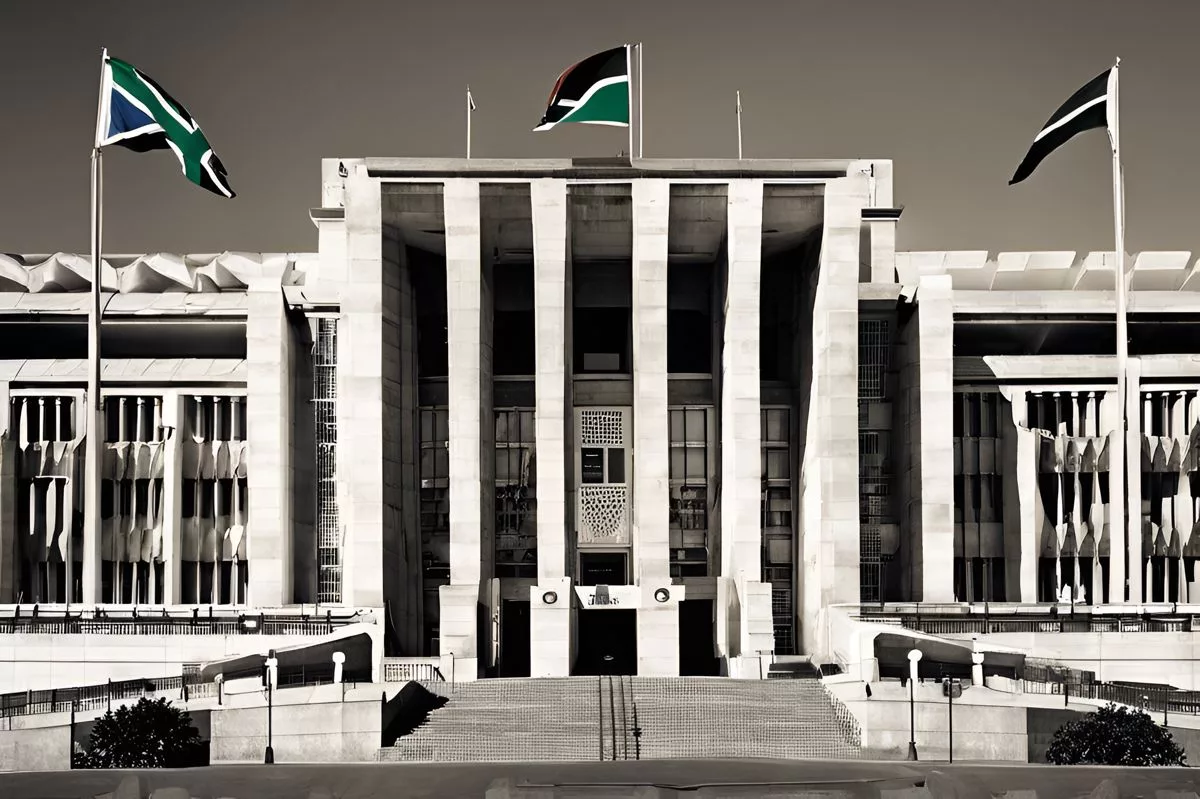
The Western Cape High Court has upheld Parliament’s right to self-regulate and dismissed a lawsuit filed by the Economic Freedom Fighters (EFF) seeking to halt the application of certain parliamentary procedures. The court ruled that there was no evidence of bias or targeting against the EFF and that the revised rules would apply uniformly to all political parties. The decision reinforces the need for all state entities, including political parties, to respect the separation of powers doctrine and adhere to rules and regulations in preserving democratic principles.
Court Upholds Parliamentary Rules in Landmark Decision
The Western Cape High Court ruled against the Economic Freedom Fighters (EFF) in their efforts to halt the application of certain parliamentary procedures. The court found no evidence of bias or targeting against the EFF, upholding Parliament’s right to self-regulation. This decision reinforces the importance of adhering to rules and regulations in preserving democratic principles, and the need for all state entities, including political parties, to honor the separation of powers doctrine.
The Western Cape High Court recently made a significant ruling regarding a lawsuit filed by the Economic Freedom Fighters (EFF). The EFF sought to halt the application of certain procedures specified in chapters 1 through 2B of the Joint Rules of Parliament. However, the court ruled against the EFF, a decision that carries considerable weight for parliamentary practices and the functionality of political parties within the South African legislature. The ruling was delivered with costs attached.
The Parliamentary Rules Controversy
On December 6, 2023, the Joint Rules of Parliament were amended to include chapters 1 to 2B. These new sections detailed critical parliamentary procedures, such as the rule forbidding any member from interrupting the President during the State of the Nation Address. It also covered the methods for removing Members of Parliament from the Chamber.
The EFF’s case was based on the premise that these revised rules were inherently biased, crafted with the specific aim of “targeting” their party. Nonetheless, the High Court refuted their claim, stating that the EFF did not present any substantial evidence to support their allegations. Instead, the court decided that these rules would apply uniformly to all political parties, ensuring no favoritism or targeting.
Court Finds No Ulterior Motive
The court further pointed out that no significant link existed between the modification of the rules and any presumed hidden political agenda. This observation effectively rebutted the EFF’s assertion, underscoring the court’s dedication to preserving impartiality in the country’s parliamentary practices.
The court submission from Parliament confessed that they revised the rules multiple times due to unanticipated deviations from traditional practices since 2014. Parliamentary officials argued that, from the 2015 State of the Nation Address onwards, the EFF had systematically tried to disrupt the proceedings and obstruct the President’s address to Parliament.
Upholding Decorum and Order in Parliament
This persistent issue exemplifies the difficulties the South African Parliament encounters in preserving decorum and order during critical national events. The State of the Nation Address is principally a ceremonial occasion, not a forum for debate or engagement. As a result, Parliament contended that the EFF could not claim that the adoption of the Joint Rules infringed upon their freedom of speech rights.
The court’s verdict underscores the significance of respecting the principle of the separation of powers. The dismissal of the EFF’s lawsuit strengthened the requirement for all state entities, including political parties, to honor this fundamental principle. The court also stated that no extraordinary circumstances existed that would validate a violation of the separation of powers doctrine.
Parliament’s Right to Self-Regulation
The ruling reaffirmed Parliament’s right to dictate its procedures and processes, a vital element in ensuring its efficient operation. This decision exemplifies South Africa’s determination to uphold a strong, democratic parliamentary system.
The case also offered an opportunity to illuminate a curious detail concerning the President’s role in Parliament. Surprisingly, despite their central position in the government, the President is not a part of Parliament. Once a Member of Parliament is elected President, they forfeit their parliamentary seat, which is then taken by the next eligible individual from the same party.
In South Africa’s ever-changing political environment, Parliament’s ability to self-regulate is key to its smooth operation and preservation of democratic principles. This court ruling serves as a reminder of the importance of adhering to the rules and regulations that oversee our political institutions, ultimately safeguarding the integrity of our democratic processes.
What was the lawsuit filed by the Economic Freedom Fighters (EFF)?
The EFF filed a lawsuit seeking to halt the application of certain parliamentary procedures specified in chapters 1 through 2B of the Joint Rules of Parliament, alleging that they were inherently biased and targeted their party.
What was the ruling of the Western Cape High Court in this case?
The court ruled against the EFF and upheld Parliament’s right to self-regulation, finding no evidence of bias or targeting against the EFF. The revised rules would apply uniformly to all political parties, ensuring no favoritism or targeting.
What is the significance of this ruling for parliamentary practices and political parties in South Africa?
This ruling reinforces the importance of adhering to rules and regulations in preserving democratic principles, and the need for all state entities, including political parties, to honor the separation of powers doctrine. It also reaffirms Parliament’s right to dictate its procedures and processes, a vital element in ensuring its efficient operation.
How does the ruling affect the EFF’s freedom of speech rights?
Parliament contended that the EFF could not claim that the adoption of the Joint Rules infringed upon their freedom of speech rights during the State of the Nation Address, which is principally a ceremonial occasion, not a forum for debate or engagement.
What is the President’s role in Parliament in South Africa?
Surprisingly, despite their central position in the government, the President is not a part of Parliament. Once a Member of Parliament is elected President, they forfeit their parliamentary seat, which is then taken by the next eligible individual from the same party.
What does this ruling serve as a reminder of?
This court ruling serves as a reminder of the importance of adhering to the rules and regulations that oversee our political institutions, ultimately safeguarding the integrity of our democratic processes.