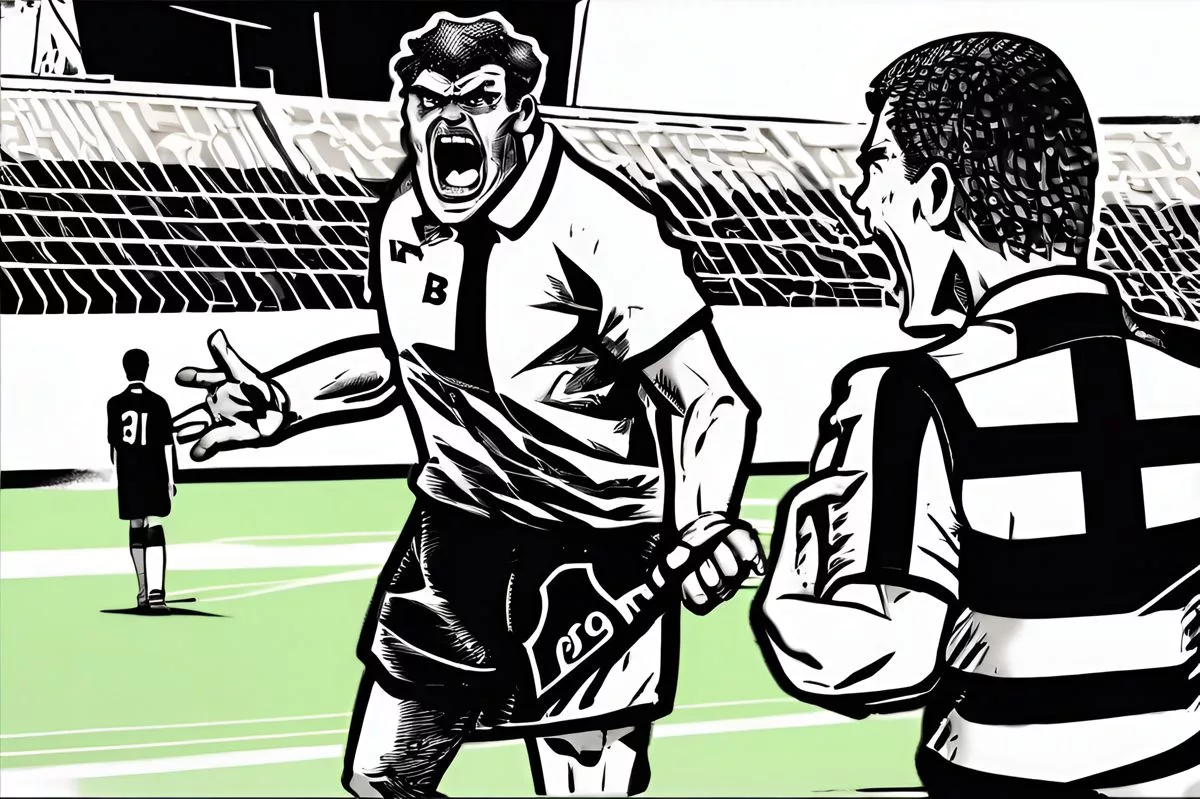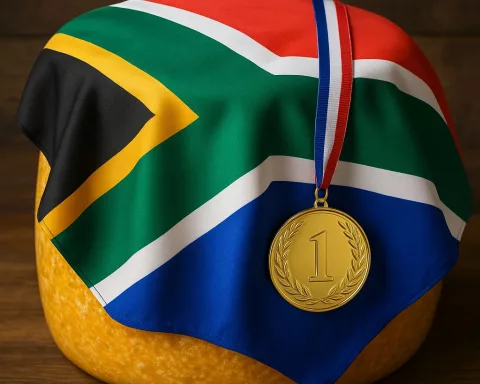
Caster Semenya, the South African athlete and double Olympic champion, is fighting against World Athletics’ policies that require female athletes with elevated testosterone levels to medicate. Despite facing backlash, Semenya has persistently opposed the policy since its inception in 2018. Her landmark victory in July 2019 lacked the authority to repeal World Athletics’ rules, and she is now scheduled for a hearing in May at the European Court of Human Rights. However, Semenya’s legal fight is hampered by budgetary limitations, and the costs of her decade-long legal journey amount to an astonishing R30 million.
Caster Semenya, South African athlete and double Olympic champion, is persistently fighting against World Athletics’ policies that mandate female athletes with elevated testosterone levels to medicate. Semenya is scheduled for a hearing in May at the European Court of Human Rights. Her landmark judgement in July 2019 lacked the authority to repeal World Athletics’ rules or enable her return to competition without medication. The costs of Semenya’s legal journey amount to an astonishing R30 million.
The Athlete’s Journey and Struggles
Caster Semenya, the esteemed South African athlete and double Olympic champion, is once again bracing herself to challenge the prejudiced policies of World Athletics. She is scheduled for a hearing in May at the European Court of Human Rights (ECHR). In a media interaction in Johannesburg, she made a public appeal for financial support to sustain her legal battle.
Semenya’s athletic career has been an endurance test in itself. Displaying tremendous competitiveness, she claimed the Olympic 800m title in 2012 and 2016, and the world gold in 2009, 2011, and 2017. Despite these triumphs, she faced backlash. World Athletics enforced rules that mandated female athletes with elevated testosterone levels to medicate to compete – a policy that Semenya has persistently opposed since its inception in 2018.
In accordance with these rules, Semenya, identified as having ‘differences in sexual development (DSD)’, was prohibited from participating in her favored 800m race. Despite her impressive track record, she was forced to shift to the 5 000m race, where she failed to reach the final during the 2022 world championships in Eugene.
Semenya’s Fight for Identity and Equality
Semenya’s stand against these violations on her identity and career reached a climax in July of the previous year. A landmark judgement by the ECHR sided with Semenya, announcing that the Lausanne-based Court of Arbitration for Sport had discriminated against her. However, this win was bittersweet as the judgement lacked the authority to repeal the World Athletics’ rules or enable Semenya’s return to competition sans medication.
In response to this obstacle, Swiss authorities, with the support of World Athletics, have elevated the case to the ECHR’s Grand Chamber. The hearing, scheduled for May 15, holds immense significance; the decisions of the Grand Chamber are final. However, Semenya’s legal fight is hampered by budgetary limitations. “We are short on funds. We need to compensate a number of experts,” Semenya expressed.
Despite the considerable hurdles she confronts, Semenya’s resolve remains steadfast. In her book, “The Race To Be Myself”, she concedes that her days at the zenith of athletics might be behind her. Yet, Semenya’s struggle is far from over. Surpassing her personal tribulations, she now advocates for young athletes who face similar obstacles. “We are all aware of what this case represents, it revolves around the differences in women’s bodies. The primary aim is to safeguard… these young individuals so they can compete,” Semenya affirmed.
Financial Impact and Future Implications
The financial impact of Semenya’s decade-long legal quest is immense. As per her South African attorneys, offering their services pro-bono, the forthcoming ECHR’s Grand Chamber hearings alone anticipate costs around $180,000. The aggregate expense of her legal journey amounts to an astonishing R30 million, attributed primarily to expert and attorney fees licensed to represent cases before courts in Switzerland and elsewhere.
World Athletics defends the DSD rules as necessary to ensure fair competition in women’s events. However, this regulation has faced criticism for its intrusive implications, especially for athletes like Semenya. In order to abide by the updated rules, DSD athletes must reduce their blood testosterone levels to below 2.5 nanomoles per litre for two years. Moreover, no distances are allowed for DSD athletes unless they satisfy the testosterone requirements.
As Semenya continues her struggle, the world observes with anticipation, as her fight transcends sports. It exemplifies the tenacity of those who dare to confront the established system, those who defy adversity to suppress their spirit, those who, like Caster Semenya, persistently run their race, even when the finish line appears distant.
1. What policies is Caster Semenya fighting against?
Caster Semenya is fighting against World Athletics’ policies that require female athletes with elevated testosterone levels to medicate in order to compete.
2. What landmark victory did Semenya achieve in July 2019?
In July 2019, the European Court of Human Rights announced that the Lausanne-based Court of Arbitration for Sport had discriminated against Semenya. However, this win lacked the authority to repeal World Athletics’ rules or enable Semenya’s return to competition without medication.
3. What is the significance of Semenya’s scheduled hearing in May at the European Court of Human Rights?
Semenya’s scheduled hearing in May at the European Court of Human Rights holds immense significance as the decisions of the Grand Chamber are final. If Semenya wins, it could have far-reaching implications for the future of women’s athletics.
4. What are the financial implications of Semenya’s legal fight?
The costs of Semenya’s legal journey amount to an astonishing R30 million, primarily attributed to expert and attorney fees licensed to represent cases before courts in Switzerland and elsewhere. The forthcoming ECHR’s Grand Chamber hearings alone anticipate costs around $180,000.
5. What are the updated DSD rules that have faced criticism?
In order to abide by the updated DSD rules, DSD athletes must reduce their blood testosterone levels to below 2.5 nanomoles per litre for two years. Moreover, no distances are allowed for DSD athletes unless they satisfy the testosterone requirements.
6. What does Semenya hope to achieve through her legal fight?
Semenya hopes to safeguard young individuals so they can compete without facing discrimination based on differences in women’s bodies. She also hopes to challenge established systems and inspire others to persistently run their race, even when the finish line appears distant.