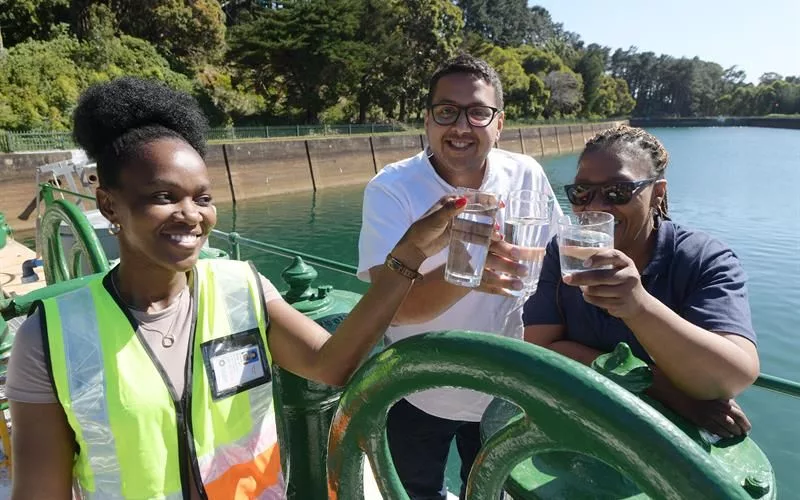
Cape Town is working hard to ensure a sustainable water supply as its population grows rapidly. The city has implemented a multifaceted approach that includes clearing invasive species, investing in groundwater and desalination, utilizing treated effluent, and allocating funds for maintenance and upgrades. These efforts are part of the New Water Programme, which aims to diversify and enlarge water resources to guarantee a sustainable future for the city’s growing population.
How is Cape Town addressing water sustainability amidst rapid population growth?
Cape Town is tackling the challenge of water sustainability through a multifaceted approach, including a clearing program to combat alien invasive species, investing in groundwater reserves and desalination, utilizing treated effluent for non-drinkable purposes, and allocating funds for water infrastructure maintenance and upgrades. These efforts are part of the New Water Programme, which aims to diversify and enlarge water supply resources and ensure a sustainable water future for the city’s growing population.
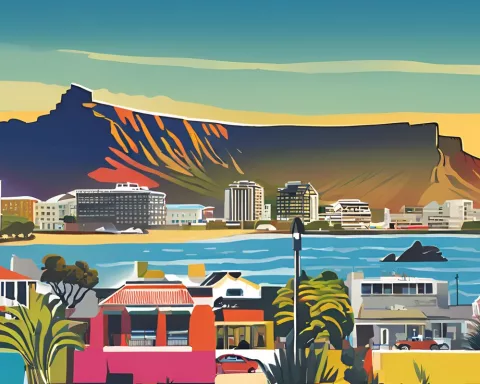
As Cape Town’s population swells, reaching 4,772,846 by the 2022 Census, ensuring a reliable water supply has become a prime focus. The 27.6% surge since 2011 is straining the city’s current water infrastructure, making the expansion of water sources a necessity. To address this, the city rolled out the forward-thinking New Water Programme (NWP) – a bold venture purposed on diversifying and enlarging water supply resources. This programme is crucial to fostering resilience and sustainability as the city grapples with climate change impacts and population expansion.
Section 1: Waging War Against Alien Invasive Species
A significant drain on Cape Town’s water reserves has been alien invasive species. However, a focused clearing program over the past six months has successfully restored a remarkable 16.1 billion litres of water to the city’s reservoirs. This achievement equates to an extra 44 million litres of water daily, accomplished by uprooting non-native plants. The city has set aside R25 million in the 2023/24 fiscal year to extend these clearing operations to four catchment areas, enhancing water availability for a resilient future.
The Faure New Water Scheme looks set to revolutionise Cape Town’s potable water supply. Scheduled for the Faure Water Treatment Plant and Reservoir, the scheme’s ultimate output is projected to be 100 million litres per day. The blueprint involves purifying treated wastewater through a sophisticated water purification plant, in line with international best practices, to produce safe, high-quality drinking water.
Section 3: Tapping into Groundwater Reserves
Cape Town also aims to invest in aquifers and exploit the untapped groundwater reserves, thus reducing dependence on unreliable rain-dependent dams. This strategy involves extraction, filtration, and treatment of underground water to meet national water standards. The city is preparing to invest roughly R4.7 billion in projects to deliver about 105Ml/day of groundwater to the drinking supply by 2040. The Cape Flats Aquifer project alone, with an estimated investment of roughly R2.6 billion, looks set to contribute 50 to 60 million litres daily.
Section 4: Embracing Desalination for Sustainability
In a bid to further diversify the drinking water supply, the city is planning to build a permanent desalination plant. This seawater reverse osmosis plant is predicted to contribute between 50 and 70 million litres per day to the water supply, bolstering the city’s resilience to erratic rainfall patterns.
Section 5: Utilising Treated Effluent to Alleviate Pressure on Freshwater Resources
Cape Town is also capitalising on advanced wastewater treatment technologies to optimise water reuse capabilities. Councillor Zahid Badroodien, the City’s Mayoral Committee Member for Water and Sanitation, explains that treated effluent is being employed for non-drinkable purposes, such as irrigation and industrial processes, significantly alleviating pressure on freshwater resources.
Section 6: Maintenance as the Cornerstone of Sustainability
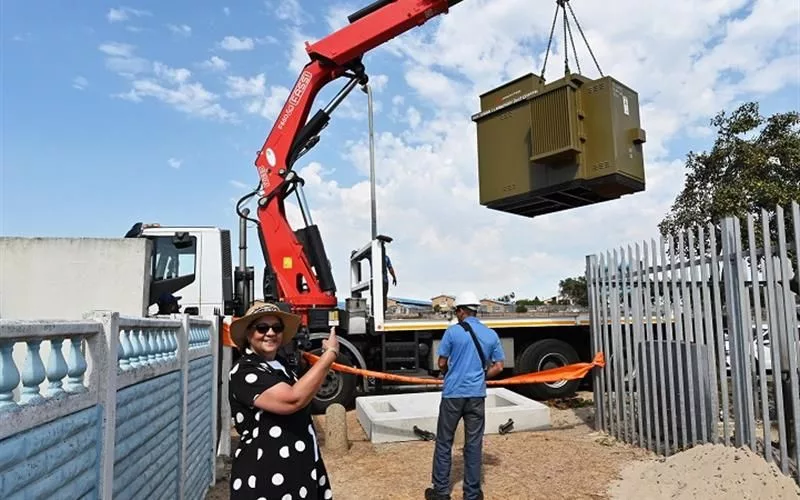
Beyond these initiatives, the city is allocating R836.6 million to the Water and Sewer Pipe Replacement Programme for the current financial year. Routine maintenance of existing infrastructure, effective management of scarce resources, including upgrading water treatment facilities, expanding storage capabilities, and implementing advanced water distribution systems, form an integral part of the city’s water management strategy.
To summarise, Cape Town is proactively addressing the challenges brought about by population growth and climate change through strategic investment in water infrastructure. The New Water Programme, with its multifaceted approach of conservation, innovation, and infrastructure development, is set to ensure that the city’s burgeoning population can depend on a sustainable water future.
1. How is Cape Town addressing the issue of alien invasive species in relation to water sustainability?
Cape Town has implemented a clearing program to combat alien invasive species, resulting in the restoration of 16.1 billion litres of water to the city’s reservoirs, and has set aside R25 million to extend these operations to four catchment areas.
2. What is the Faure New Water Scheme?
The Faure New Water Scheme is a project that involves purifying treated wastewater through a sophisticated water purification plant to produce safe, high-quality drinking water, with an ultimate output projected to be 100 million litres per day.
3. How is Cape Town investing in groundwater reserves?
Cape Town aims to invest roughly R4.7 billion in projects to deliver about 105Ml/day of groundwater to the drinking supply by 2040, including the Cape Flats Aquifer project, which is estimated to contribute 50 to 60 million litres daily.
4. How is the city embracing desalination for sustainability?
The city is planning to build a permanent desalination plant to further diversify the drinking water supply, which is predicted to contribute between 50 and 70 million litres per day to the water supply.
5. How is Cape Town utilizing treated effluent?
Cape Town is utilizing advanced wastewater treatment technologies to employ treated effluent for non-drinkable purposes, such as irrigation and industrial processes, significantly alleviating pressure on freshwater resources.
6. How important is maintenance for water sustainability in Cape Town?
Maintenance and effective management of existing infrastructure form an integral part of Cape Town’s water management strategy, with R836.6 million allocated to the Water and Sewer Pipe Replacement Programme for the current financial year.