South Africa’s Department of Water and Sanitation: An In-Depth Analysis of the 2023/24 Budget Vote

2 mins read
south africa water scarcity

South Africa, a water-scarce country, faces several challenges in providing its citizens with access to clean water and sanitation services. The Department of Water and Sanitation (DWS) has recently presented its budget for the financial year 2023/24, outlining its plans to address these issues. This article provides an in-depth analysis of the budget speech, examining the key projects, initiatives, and future plans of the DWS.

Water Resource Landscape

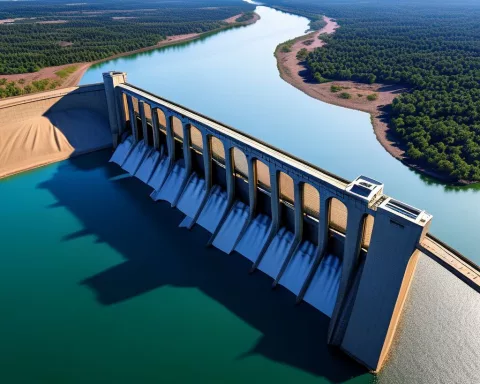
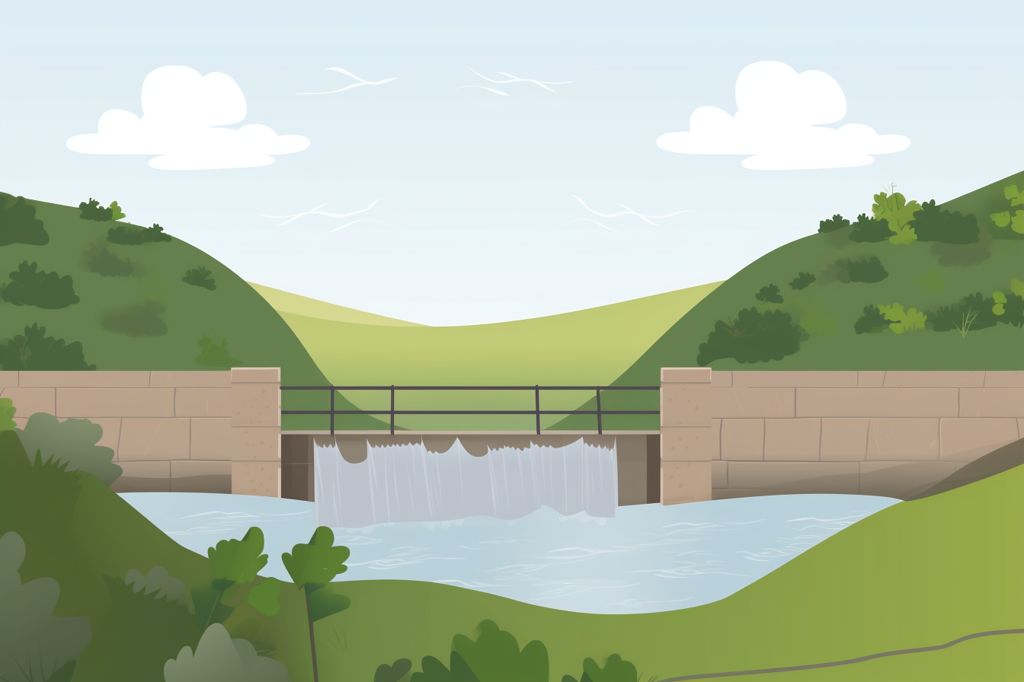
South Africa’s potential for developing surface water resources is limited due to an average rainfall of about half the global average and high evaporation rates. To address this, the DWS has identified several water resource infrastructure projects aimed at increasing storage capacity and ensuring water security. These include the raising of dam walls, the Lesotho Highlands Water Project, and the Mzimvubu Project.

Newsletter

Stay Informed • Cape Town

Get breaking news, events, and local stories delivered to your inbox daily. All the news that matters in under 5 minutes.

Join 10,000+ readers
No spam, unsubscribe anytime

National Water Resource Infrastructure Agency

The DWS is in the process of establishing the National Water Resource Infrastructure Agency to secure funds for necessary investments in national water resource infrastructure. This agency will transform the Trans-Caledon Tunnel Authority (TCTA) and focus on raising private sector finance for various water resource infrastructure projects.

Water Partnership

The DWS has established a Water Partnerships Office in collaboration with the Development Bank of Southern Africa (DBSA) and the South African Local Government Association (SALGA). This office aims to assist municipalities in developing bankable projects to improve water services, with a focus on reducing non-revenue water and promoting water re-use.

Sustainability of the Water Sector and Water Services

To reverse the decline in municipal water and sanitation services, the DWS plans to implement several measures, such as addressing escalating debts, improving pricing, and amending the Water Services Act to clarify roles, responsibilities, and functions within the sector.

Strengthening Regulation

The DWS aims to strengthen its role as the water sector regulator by expanding its No-Drop assessment reports to other sectors and improving water use licensing processes.

Supporting Municipal Water and Sanitation Services

The department provides significant support to municipalities through conditional grants for water and sanitation infrastructure development, addressing backlogs, and improving service delivery. It is also implementing major water services projects, such as the Giyani Water Project and the Loskop Bulk Water Project.

Reconfiguration of Water Boards

The DWS is transforming, reconfiguring, and consolidating the water sector institutions established in terms of the National Water Act and Water Services Act. This includes aligning the boundaries of water boards with provincial boundaries, reducing duplication, increasing financial sustainability, and ensuring water boards offer services to all areas needing support.

Institutional Strengthening of the Department

The DWS is strengthening the department as an institution, focusing on improving internal controls, personnel management, and addressing irregular expenditure.

The Department of Water and Sanitation’s budget for the financial year 2023/24 demonstrates their commitment to addressing South Africa’s water and sanitation challenges through a range of initiatives, projects, and reforms. By focusing on infrastructure development, strengthening regulation, and supporting municipalities, the DWS is ensuring sustainability in the water sector and improving access to water and sanitation services for all South Africans. As progress continues and projects are completed, it is essential to monitor and evaluate their effectiveness in achieving their stated goals and objectives.

A Russian-Spanish journalist and Cape Town native, channels his lifelong passion for South Africa into captivating stories for his local blog. With a diverse background and 50 years of rich experiences, Serjio's unique voice resonates with readers seeking to explore Cape Town's vibrant culture. His love for the city shines through in every piece, making Serjio the go-to source for the latest in South African adventures.

Leave a Reply

Your email address will not be published.

Previous Story

Siba The Restaurant: Most Exclusive Fine Dining Restaurant 2023 in Cape Town

Next Story

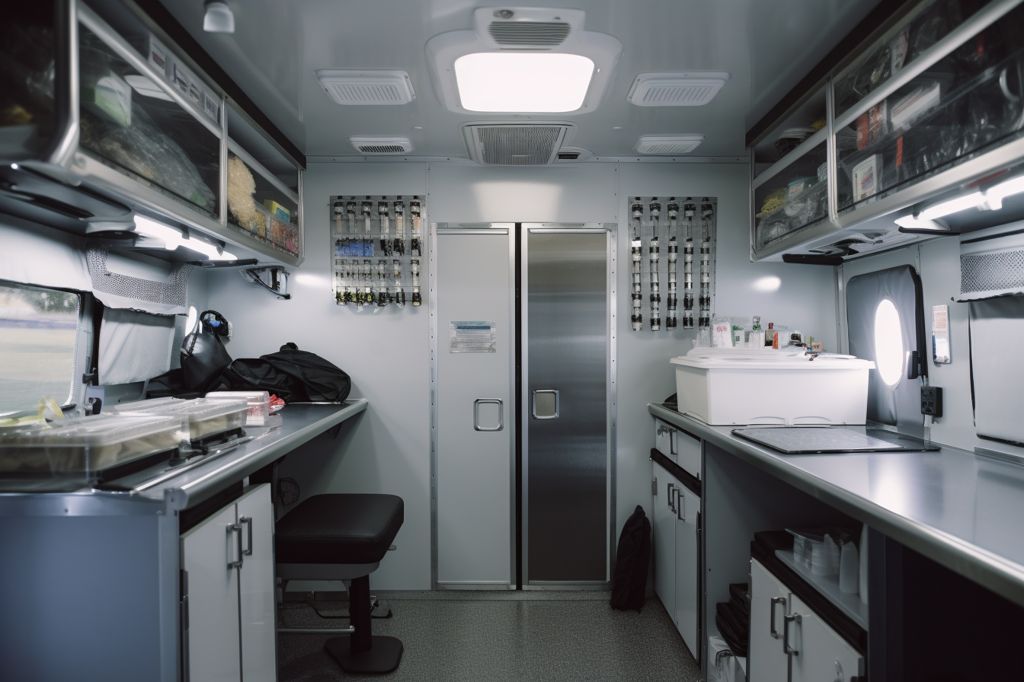
Boosting STEM Education in South Africa: Mobile Science Laboratory Handover at University of Mpumalanga

Latest from Blog

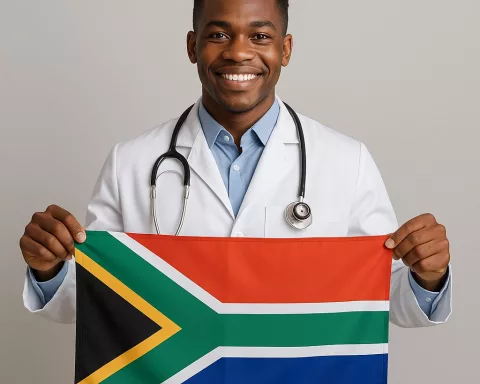
A Teenager in a White Coat: How One Student Shattered South Africa’s Medical Age Record

{“summary”: “Imagine a whiz kid, David Obagbuwa, who started high school at 11 and became a doctor at just 21! He shattered South Africa’s medical age record, proving that a sharp mind and hard work can achieve amazing things. From classrooms in KwaZuluNatal to intense medical studies, David tackled every challenge. Even during lockdown, he quickly mastered his courses. Now, he’s ready to help people, showing that big dreams can come true, no matter how young you are.”}

Martian Dust, Carbon ankles & a R4-million Promise: Inside the 2026 Cape Epic’s Mobility Rebellion

Get ready for the 2026 Cape Epic, but this isn’t just any bike race! Three special teams, using amazing robotic legs and carbon ankles, will tackle the tough trails. They’re racing to raise R4 million to buy 200 new prosthetic limbs, 150 wheelchairs, and 50 sports blades for people in South Africa who need them. Every pedal stroke helps someone gain freedom and move again, showing that movement is for everyone, not just a few. This epic journey turns sweat into hope, changing lives one kilometer at a time.

Cape Town’s Shadow State: How Extortion Became the New Township Taxman

Cape Town has a big problem: bad guys are shaking down businesses and projects for money. They act like “taxmen” in townships, making building costs shoot up and forcing small shops to close. These criminals cause fear, stop important work, and even kill people who get in their way. It’s like a shadow government taking over, making life hard for everyone and costing the city tons of money. People are scared, and it’s unclear how this dangerous situation will ever truly end.

The Woman Who Taught Cape Town to Breathe Under Fire

Arlene Wehr taught Cape Town how to fight fires like a boss! She was one of the first women firefighters and totally changed the game. Arlene created cool new ways to find water, like “Operation Liquid Grid,” and made sure everyone had a chance to become a firefighter, even women. Because of her, Cape Town is safer, and the fire department is much more welcoming to all.

Morea House: Where the Atlantic Meets Art, Granite and Ghost-Nets

Morea House is Cape Town’s first fancy Marriott hotel, born from an old 1960s building. It shines with blushpink walls and art made from old fishing nets, making it feel truly special. This hotel is all about local beauty, from its design to its food, and even how it saves the planet. Imagine rooftop pools, unique spa experiences, and rooms where you wake up to amazing views. It’s a place where every detail tells a story of the ocean and the land, making your stay unforgettable.