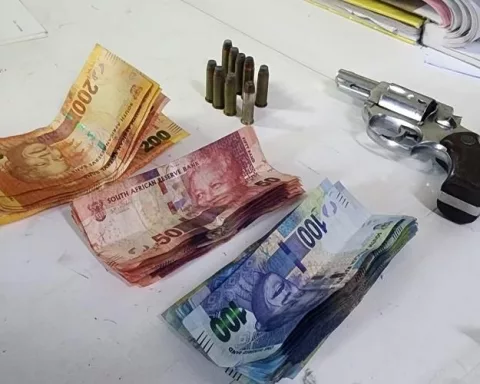
Cape Town is facing a growing problem of extortion syndicates that are targeting city officials, contractors, and public services, including garbage collection and construction projects, with threats of violence and demands for protection money. The criminal networks are operating aggressively and are extending their reach into deprived communities and even governmental bodies. The city is responding with proposed measures in its annual Supply Chain Management Policy review, financial incentives for information leading to arrests, and an aggressive anti-extortion initiative, but the fight continues to be a strenuous struggle.
A City Under Siege: Cape Town’s Battle Against Extortion Syndicates. The City of Cape Town is tackling the increasing menace of extortion syndicates that target city officials, contractors, and essential public services. These criminal networks operate aggressively, extending their reach into the most deprived communities and even governmental bodies. The city’s response includes proposed measures in its annual Supply Chain Management Policy review, financial incentives for information leading to the arrest and prosecution of these extortionists, and an aggressive anti-extortion initiative. However, the fight against these syndicates continues to be a strenuous struggle.
The City’s Challenge
The charming vibrancy of Cape Town, a city celebrated for its blend of cultures and rich history, is increasingly overshadowed by the growing menace of extortion syndicates. This metropolitan hub, fondly addressed as the ‘Mother City,’ is not only combating the fierce winds whipping over Table Mountain but is also wrestling with a more sinister adversary. Functioning like a dark undercurrent, these organized crime rings have targeted city officials, contractors, and essential public services, threatening the continuity of crucial civic projects.
These criminal networks operate with unbridled aggression, penetrating deeply into the most deprived communities where the vital services they disrupt are most acutely required. Strikingly, their voracious appetite for control is not confined to the disadvantaged. Even governmental bodies remain unprotected from their ominous reach. Notorious districts such as Philippi, Samora Machel, Gugulethu, Nyanga, and parts of Khayelitsha have found themselves ensnared by these syndicates.
A Far-Reaching Problem
Alarmingly, this extortion enterprise permeates into the most basic urban practices, such as garbage collection. Employees in these sectors have become easy prey for these criminal organizations, compelled to discontinue their work under the threat of violence unless their companies comply with the ransom demands. An unidentified supervisor from a city-contracted firm echoed this grim reality, recounting how workers decline assignments in these crime-ridden regions without the protection of law enforcement escorts.
The influence of these syndicates extends beyond the city’s administrative system and into the business realm. Small enterprises in the townships, from local convenience stores to beauty salons and street vendors, have fallen victim to their relentless extortion. This ceaseless intimidation is steadily eroding the city’s economic vigor, with the construction industry enduring specific aggression from the self-dubbed ‘construction mafias.’ These mafias have cast a gloomy shadow over construction sites across South Africa, triggering significant economic downturn.
The ‘construction mafias’ are not merely a label; they represent structured groups of extortionists who target local construction firms and contractors, demanding ‘protection money’ and a percentage of the project’s total cost. Their disruptive tactics have led to the suspension of at least seven major urban mobility projects in Cape Town, resulting in considerable financial loss and construction delays. The city’s Urban Mobility MMC Rob Quintas confirmed this disturbing reality, acknowledging a notable escalation of such incidents around mid-last year.
The City’s Response & Ongoing Struggle
Despite the immense challenge, the city’s reaction to these extortion syndicates has been praiseworthy. To counter this extortion maze, the City of Cape Town has proposed supplementary measures in its annual Supply Chain Management Policy review. Among these measures are the inclusion of high-risk individuals on the city’s Red List and the rescission of contracts awarded to high-risk primary contractors. The city’s Finance MMC Siseko Mbandezi alluded to the implementation of stringent internal control measures to mitigate the impact of extortion on city projects.
Cape Town’s Mayor, Geordin Hill-Lewis, spearheaded an aggressive anti-extortion initiative last year, marked by the slogan “Enough! Genoeg! Kwanele!”. In addition to this, the city has created a 24-hour toll-free hotline and is offering financial incentives for information leading to the arrest and prosecution of these extortionists.
However, the fight against these syndicates, whilst admirable, continues to be a strenuous struggle. It’s a struggle that demands not only the strength of law enforcement and stringent city policies but also the united force of residents, businesses, and communities that form this energetic city’s fabric. The battle against these criminal syndicates is part of a larger effort to save the city’s soul. It is a struggle to safeguard the city’s rich cultural heritage and thriving economic potential from the suffocating hold of these criminal syndicates.
What problem is Cape Town facing?
Cape Town is facing a growing problem of extortion syndicates that are targeting city officials, contractors, and public services, including garbage collection and construction projects, with threats of violence and demands for protection money.
Who are the extortion syndicates targeting?
The extortion syndicates are targeting city officials, contractors, and public services, including garbage collection and construction projects. They have also extended their reach into deprived communities and even governmental bodies.
What measures is the city proposing to tackle the issue?
The City of Cape Town has proposed supplementary measures in its annual Supply Chain Management Policy review, including the inclusion of high-risk individuals on the city’s Red List and the rescission of contracts awarded to high-risk primary contractors. The city is also offering financial incentives for information leading to the arrest and prosecution of these extortionists.
How has the extortion enterprise affected the city’s urban practices?
The extortion enterprise has permeated into the most basic urban practices, such as garbage collection. Employees in these sectors have become easy prey for these criminal organizations, compelled to discontinue their work under the threat of violence unless their companies comply with the ransom demands.
What is the impact of the ‘construction mafias’ on the city’s construction sector?
The ‘construction mafias’ have cast a gloomy shadow over construction sites across South Africa, triggering significant economic downturn. Their disruptive tactics have led to the suspension of at least seven major urban mobility projects in Cape Town, resulting in considerable financial loss and construction delays.
What is the city’s anti-extortion initiative?
Cape Town’s Mayor, Geordin Hill-Lewis, spearheaded an aggressive anti-extortion initiative last year, marked by the slogan “Enough! Genoeg! Kwanele!”. In addition to this, the city has created a 24-hour toll-free hotline and is offering financial incentives for information leading to the arrest and prosecution of these extortionists.