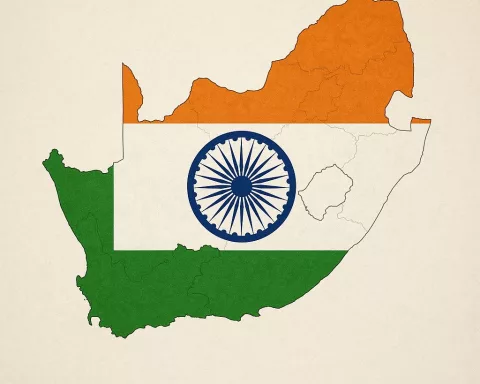

Workers’ Day in South Africa is a day of celebration for the contributions and achievements of workers across the nation. It represents three decades of democratic governance and the tireless resilience of workers and trade unions who have played an integral part in the journey towards justice and equality. Progressive legislations have transformed labor rights and workplace conditions, leading to a more equitable and just labor market. However, ongoing efforts are needed to address gender disparities and high levels of youth unemployment. Parliament remains committed to enhancing the lives and working conditions of South African workers.
What is Workers’ Day in South Africa?
Workers’ Day in South Africa is an annual celebration on May 1st that honors the contributions and achievements of workers across the nation. It represents three decades of democratic governance and the tireless resilience of workers and trade unions who have played an integral part in the journey towards justice and equality. Over the past 30 years, progressive legislations have dramatically transformed labor rights and workplace conditions, leading to a more equitable and just labor market.
The day breaks on the first day of May, 2024, in South Africa. The atmosphere is electric with expectancy. This new day signifies more than just a sunrise; it represents the celebration of Workers’ Day. Across the nation, we collectively express our heartfelt appreciation and applause for the workers of South Africa. The Acting Speaker of the National Assembly, Mr. Lechesa Tsenoli, and the Chairperson of the National Council of Provinces, Mr. Amos Masondo, serve as symbolic representations of this sentiment.
This year bears a unique importance as it represents three decades of democratic governance, a period marked by persistent efforts towards justice and equality. Our workers and trade unions, with their tireless resilience and doggedness, have played an integral part in this journey. Parliament, since the dawn of democracy in 1994, has been instrumental in reshaping the legislative environment to safeguard and uphold workers’ rights.
Progressive Acts: The Evolution of Labour Laws
A monumental action of the post-apartheid Parliament was the implementation of the Labour Relations Act on November 11, 1996. This Act was a bold statement that aligned South African labour laws with our democratic Constitution and international standards. Beyond mere regulation, this law embedded the rights of workers, rights which were previously nonexistent. Workers now had a legal mandate to organize, join trade unions, and strike. The Act paved the path for collective bargaining, set up bargaining councils, critical for resolving labour disputes and strengthening workplace relations.
Following closely on the heels of this Act was the Employment Equity Act, brought into effect in 1998. This Act stands as a declaration of our dedication to break down the remnants of discrimination and inequality. By outlawing unfair discrimination and endorsing affirmative action, the Act has been instrumental in creating equitable workplaces and opportunities for all South Africans, irrespective of their race, gender, or status.
These progressive legislations, along with several others passed by the democratic Parliament over the past 30 years, have dramatically transformed labour rights and workplace conditions. It’s a significant shift from the past, where Black workers were bound to conditions that resembled slavery. The transition from a history of exploitation to a present where their rights are powerfully protected, and their contributions to the economy are genuinely valued, is an astounding transformation. This change signifies considerable progress in rectifying the wrongs of apartheid and contributes to the establishment of a more equitable and just labour market.
Challenges and Ongoing Efforts: Towards a Fully Inclusive Labour Market
While considerable progress has been made regarding workers’ rights, we acknowledge that the journey towards a fully inclusive and equitable labour market is far from finished. Our pledge includes ongoing efforts to improve the quality of life for South Africans, vigorous social and economic interventions, better access to education and skills development, and nurturing a vibrant job market.
Recent statistics from Statistics South Africa paint a positive picture, indicating a growing propensity among the working-age population to engage in the labour market. This shift in trend from prior discouragement offers a hopeful outlook. Nonetheless, we are conscious of the continuing gender disparities and the disproportionately high levels of discouragement among the youth concerning employment. These challenges emphasize the need for strategic approaches to ensure equal opportunities for all, particularly for the most vulnerable groups in our society.
Parliament remains steadfast in its commitment to enhance the lives and working conditions of South African workers. Through rigorous oversight and proactive legislation, it aspires for a nation that not only acknowledges but also accentuates the contributions of every worker, continuing to construct an inclusive economy that benefits everyone.
Celebrating Workers’ Day and Democracy in Action
As we observe Workers’ Day, we reaffirm our dedication to the principles of fairness, equality, and justice. We rejoice over the accomplishments we have achieved together and acknowledge the work that still needs to be done. Happy Workers’ Day, South Africa! Let us persist in aiming for a nation where the potential of every worker is recognised and valued.
An interesting point to note is that Parliament and its committees possess the authority to request any institution or individual to report to them and can summon anyone to appear before them. This provision highlights the power and responsibilities bestowed upon Parliament, a vital component of our democratic system.
In line with the principles of democracy and transparency, Parliament is also open to the public. Anyone can arrange a tour, attend a debate, or simply familiarise themselves with the directions and contact information. Active participation and understanding of our system are crucial for the functioning of a robust democracy.
1. What is Workers’ Day in South Africa?
Workers’ Day in South Africa is an annual celebration on May 1st that honors the contributions and achievements of workers across the nation.
2. What progressive labor acts have been implemented in South Africa?
The post-apartheid Parliament implemented the Labour Relations Act in 1996 and the Employment Equity Act in 1998, which dramatically transformed labour rights and workplace conditions.
3. How have workers’ rights improved in South Africa?
Workers’ rights have improved in South Africa through progressive legislation that embedded the rights of workers, allowing them to organize, join trade unions, and strike, and created equitable workplaces and opportunities for all South Africans.
4. What are some ongoing efforts to improve the labor market in South Africa?
South Africa is working to improve the quality of life for its citizens by offering better access to education and skills development and nurturing a vibrant job market. Parliament remains committed to enhancing the lives and working conditions of South African workers through rigorous oversight and proactive legislation.
5. What challenges remain in South Africa’s labor market?
Despite progress, South Africa still faces gender disparities and disproportionately high levels of discouragement among the youth concerning employment. Strategic approaches are needed to ensure equal opportunities for all, particularly for the most vulnerable groups in society.
6. How can the public participate in South Africa’s democracy?
Parliament is open to the public, and anyone can arrange a tour, attend a debate, or familiarize themselves with the directions and contact information. Active participation and understanding of the system are crucial for the functioning of a robust democracy.