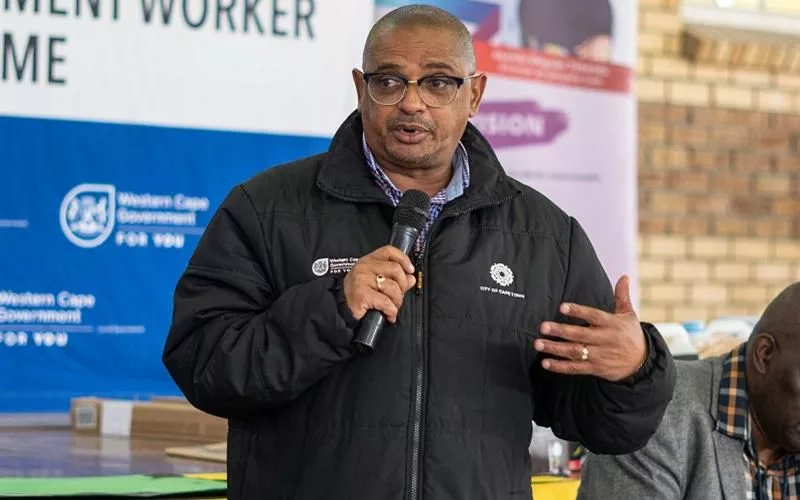
The Lingomso ‘Our Future’ project and the Noluntu Soup Kitchen are two initiatives in Khayelitsha that are helping to foster creativity in children and fight hunger in the community. The Lingomso project uses art to empower students, helping them to develop problem-solving skills and a sense of environmental consciousness. The Noluntu Soup Kitchen ensures no one goes hungry by repurposing food waste into compost for a community garden and providing nourishing meals. These initiatives are investing in a brighter, more sustainable future for everyone.
Fostering imagination and curbing hunger in Khayelitsha is a joint effort between the City and the Western Cape Government. The Lingomso ‘Our Future’ project uncovers the potential within students by polishing their creative skills, amplifying communication ability, and refining their motor competencies. The Noluntu Soup Kitchen ensures no individual starves and no food goes to waste by introducing innovative practices such as repurposing food waste into compost for a community garden. Through these two initiatives, the City and its collaborators are investing in a brighter, more sustainable future for everyone.
Khayelitsha (Ward 94) is a hub of community spirit and innovation, showcased through two pioneering initiatives led by the Urban Waste Management Directorate and the Community Development Worker Programme. A joint effort between the City and the Western Cape Government has birthed projects that not only bolster the life quality of students, but also deliver nourishment to those facing food scarcity.
Unlocking Talent Through Artistic Endeavors
One of these initiatives, christened as Lingomso ‘Our Future’ project, has a focused objective: to uncover the dormant potential within students. The project takes shape as an after-school curriculum, first unveiled at Isiphiwo Primary School located in Harare, Khayelitsha. Its mission is to polish the creative skills of children, amplify their ability to communicate, and refine their motor competencies.
The core of the Lingomso Elihle Painting and Drawing Project is its guiding principle. It utilizes art as a tool for empowerment, a conduit to instill problem-solving aptitude, emotional healing, and a sense of security. The project extends beyond conventional academic boundaries, placing emphasis on a combination of communication, environmental consciousness, crafts, and creativity.
The Lingomso project provides the young learners with an assortment of artistic supplies, ranging from paint brushes and colour palette sets to sketchbooks and watercolours. Such resources fulfill dual roles: they enrich the artistic journeys of the children and provide them with the means to discover their talents and express themselves without inhibitions.
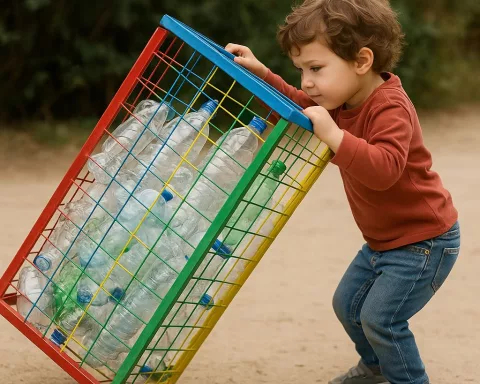
The project adeptly merges lessons on recycling with arts, crafts, and painting endeavours. In doing so, it ingrains in the students an appreciation of effective communication and environmental guardianship. This approach sows the early seeds of environmental activism, paving the way for a more sustainable future.
Alderman Grant Twigg, the Mayoral Committee Member for Urban Waste Management in Cape Town, accurately summarizes the essence of the project: “The Lingomso ‘Our Future’ project represents our dedication to the growth of our youth and nurturing a communal spirit within our city. We aim to equip learners with the necessary tools for creative expression and skill enhancement, preparing them to confront the challenges of the future.”
Empowering Women to Wage War on Hunger
Simultaneously with cultivating creativity in children, the City also grapples with hunger at the community level. The Noluntu Soup Kitchen stands as a pillar of hope, ensuring no individual starves and no food goes to waste. The CDW programme identified the potential of the kitchen and selected it as a beneficiary of its support.
In order to maintain the operation of the kitchen, the CDW programme has supplied it with large cooking pots, gas stoves, plastic basins, perishables, and compost bins. The programme has also taken strides towards sustainability by introducing innovative practices such as repurposing food waste into compost for a community garden.
Alderman Twigg applauds the initiative, stating, “The Noluntu Soup Kitchen serves as a shining example of the impact of community-led initiatives in bringing about real change, and the City takes pride in backing such an endeavour.”
In Khayelitsha, the City and its collaborators are setting a new standard. Through the Lingomso ‘Our Future’ project and the Noluntu Soup Kitchen, they are fostering creativity, waging war on hunger, and most importantly, investing in a brighter, more sustainable future for everyone.
1. What is the Lingomso ‘Our Future’ project and what is its objective?
The Lingomso ‘Our Future’ project is an after-school curriculum that aims to uncover the potential of students by polishing their creative skills, amplifying communication ability, and refining their motor competencies using art as a tool for empowerment.
2. How does the Lingomso project merge lessons on recycling with arts and crafts?
The Lingomso project adeptly merges lessons on recycling with arts, crafts, and painting endeavours, ingraining in the students an appreciation of effective communication and environmental guardianship.
3. What resources does the Lingomso project provide to young learners?
The Lingomso project provides the young learners with an assortment of artistic supplies, ranging from paint brushes and colour palette sets to sketchbooks and watercolours.
4. What is the Noluntu Soup Kitchen and what is its purpose?
The Noluntu Soup Kitchen is an initiative in Khayelitsha that ensures no one goes hungry by repurposing food waste into compost for a community garden and providing nourishing meals.
5. How does the CDW programme support the Noluntu Soup Kitchen?
The CDW programme supplies the Noluntu Soup Kitchen with large cooking pots, gas stoves, plastic basins, perishables, and compost bins. It also introduces innovative practices such as repurposing food waste into compost for a community garden.
6. What is the joint effort between the City and the Western Cape Government in Khayelitsha?
The joint effort between the City and the Western Cape Government in Khayelitsha invests in a brighter, more sustainable future for everyone by fostering creativity in children through the Lingomso ‘Our Future’ project and waging war on hunger through the Noluntu Soup Kitchen.