
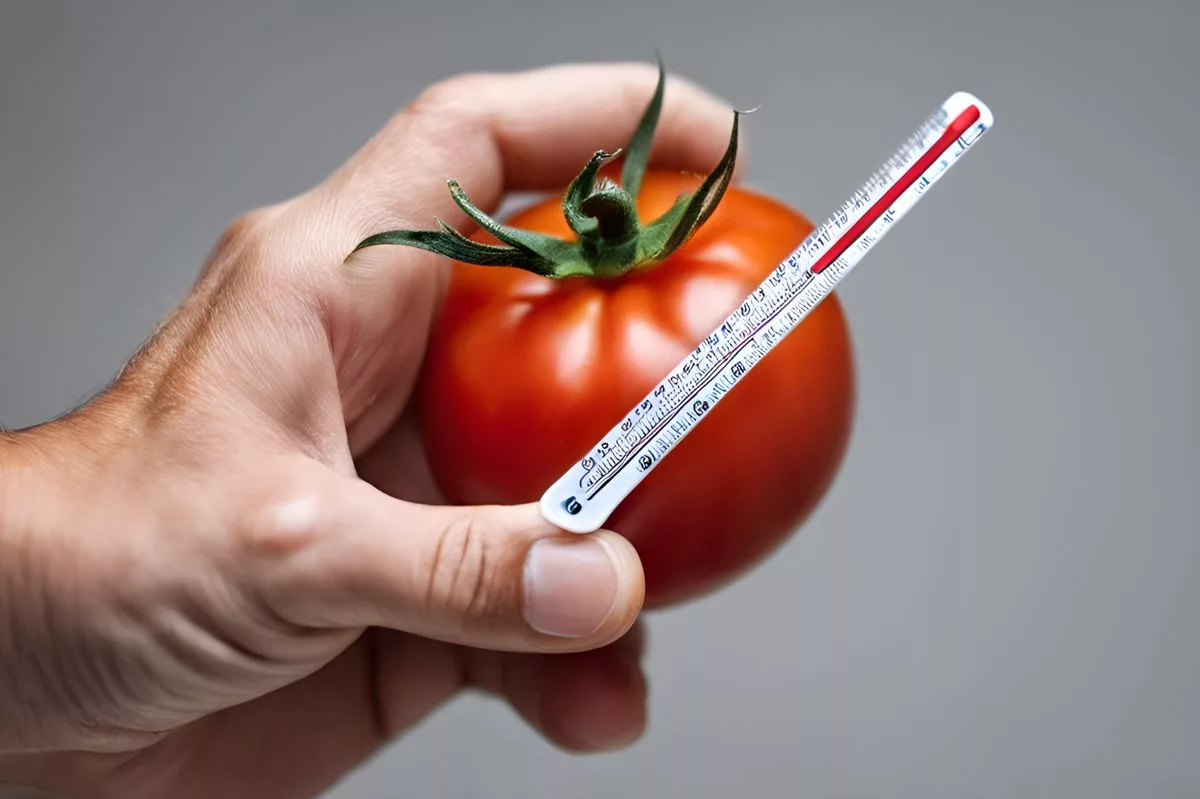
The refrigerator is the unsung hero of the kitchen, preserving our food and keeping it fresh. However, some food items don’t belong in the fridge. Tomatoes lose their flavor and texture when refrigerated, while chocolate can be negatively affected by the cold and humidity. Even certain spices and oils are better off in a dry, cool place. By understanding the unique needs of each food item, we can enjoy them at their best.
The Misunderstood Tomato: A Refrigeration Victim
Refrigerating tomatoes can cause a breakdown in their cellular structure, resulting in a loss of flavor and texture. It’s best to store tomatoes at room temperature to maintain their robust flavor.
The kitchen, often regarded as the home’s vital hub, buzzes with life. The sizzling of a skillet, the chopping of fresh produce, and the scent of aromatic herbs fill the space. However, amid this culinary symphony, the critical role of an often overlooked hero, the refrigerator, in preserving our food goes unnoticed. Interestingly, though, not all food items are meant to be stored in the chilly embrace of the refrigerator. Some actually thrive better outside of it.
The Misunderstood Tomato: A Refrigeration Victim
We begin with the ordinary tomato, an intensely flavored, staple ingredient in many recipes. Despite its widespread use, many of us are guilty of wrongly storing tomatoes in the refrigerator. This common practice could be a culinary mistake. Chilling temperatures can provoke a reaction in the tomato’s enzymes, resulting in the breakdown of its cellular structure. Consequently, the tomato turns into a watery, grainy version of itself, devoid of its usual robust flavor. CBS News further suggests that refrigeration can obstruct the development of certain substances that enhance the flavor of tomatoes.
Another casualty of misguided refrigeration is the butternut squash. The moisture present in the refrigerator can negatively impact the butternut squash’s quality, altering its texture and speeding up its decay process. Hence, it’s best to store your butternut squash in a dry, cool place to maintain its taste and texture.
The Chocolate Conundrum: To Chill or Not to Chill
Next, we move to chocolate, the beloved confectionery that most of us unthinkingly stash in the refrigerator. Ironically, this might be one of the worst locations for it. The fridge’s cold temperature and humidity can detrimentally alter the taste, color, and texture of chocolate. Furthermore, cocoa butter, the primary ingredient in chocolate, can readily absorb the flavors and scents of nearby food, thus marring its true, chocolatey essence.
Coffee also finds a spot on this list. The refrigerator’s tendency to infuse coffee with the odors of nearby food items and its capacity to absorb moisture can significantly degrade coffee’s flavor and texture. This holds true regardless of whether the coffee is in whole beans, ground, or even stored in an air-tight container.
Forgotten Foods: From Cucumbers to Spices
Defying traditional wisdom, uncut cucumbers should be stored at room temperature to maintain their flavor. While most of us would instinctively place cucumbers in the refrigerator, this can cause them to become watery and spoil faster.
Refrigeration can also be detrimental for dried spices such as cayenne pepper, garlic powder, and nutmeg. The cold, damp environment can introduce unwanted moisture into the spices, negatively impacting their taste and freshness.
Fresh garlic is another food item that is better stored outside the fridge. Whole, unpeeled garlic degrades faster in the refrigerator due to the excess moisture. This is particularly worrisome given that garlic’s low acidity makes it prone to the bacterium Clostridium botulinum, notorious for producing harmful toxins in low-oxygen conditions.
From Oils to Fruits: Other Refrigeration Faux Pas
Several oils, including olive oil and sunflower oil, react adversely to refrigeration. The chilly temperature causes the oils to turn cloudy and grainy, and they may even solidify in some cases.
Certain fruits, such as peaches, also struggle in the cold. Refrigeration slows down the ripening process, elevates the risk of spoiling, and can even cause the fruit to dry out and lose its juiciness.
Lastly we have raw potatoes and sweet potatoes, both of which don’t agree with refrigeration. The cold initiates an enzymatic process, transforming the potatoes’ natural sugars into glucose and fructose, which not only discolors the potatoes but also modifies their taste and texture.
In conclusion, while the refrigerator is invaluable for preserving various foods, others flourish in the room-temperature comfort of the pantry or kitchen counter. By grasping the unique storage needs of each food, we can savor them at their peak — fresh, savory, and truly gratifying.
1. What happens to tomatoes when stored in the refrigerator?
Refrigerating tomatoes can cause a breakdown in their cellular structure, resulting in a loss of flavor and texture.
2. Can butternut squash be stored in the refrigerator?
It’s best to store butternut squash in a dry, cool place to maintain its taste and texture, instead of storing it in the refrigerator.
3. Should chocolate be stored in the refrigerator?
The fridge’s cold temperature and humidity can detrimentally alter the taste, color, and texture of chocolate. It is better to store chocolate in a cool, dry place.
4. What happens to coffee when stored in the refrigerator?
The refrigerator’s tendency to infuse coffee with the odors of nearby food items and its capacity to absorb moisture can significantly degrade coffee’s flavor and texture.
5. Can cucumbers be stored in the refrigerator?
Uncut cucumbers should be stored at room temperature to maintain their flavor, instead of storing them in the refrigerator.
6. Can olive oil be stored in the refrigerator?
Several oils, including olive oil and sunflower oil, react adversely to refrigeration. The chilly temperature causes the oils to turn cloudy and grainy, and they may even solidify in some cases.