Cape Town’s Melkbosstrand and Wesfleur wastewater treatment facilities have received the globally recognised ISO 9001 certification, highlighting the city’s commitment to high-quality management standards and providing superior sanitation for residents and clients. The certification also enhances customer trust, promotes effective complaint resolution, and encourages process improvement and ongoing optimization. The facilities are also striving towards ISO 50001 certification for energy efficiency, and the city plans to acquire more ISO 9001 certifications for its other wastewater treatment facilities. This underscores the city’s dedication to environmental stewardship and its inhabitants.
What is the significance of ISO 9001 certification for Cape Town’s wastewater treatment facilities?
The ISO 9001 certification is a globally recognized quality management standard that reflects Cape Town’s efforts to implement the highest quality management standards in its wastewater treatment facilities. This certification enhances customer trust, promotes effective complaint resolution, encourages overall process improvement, and fosters ongoing optimization, improving the wastewater treatment process and providing effective sanitation for residents and clients.
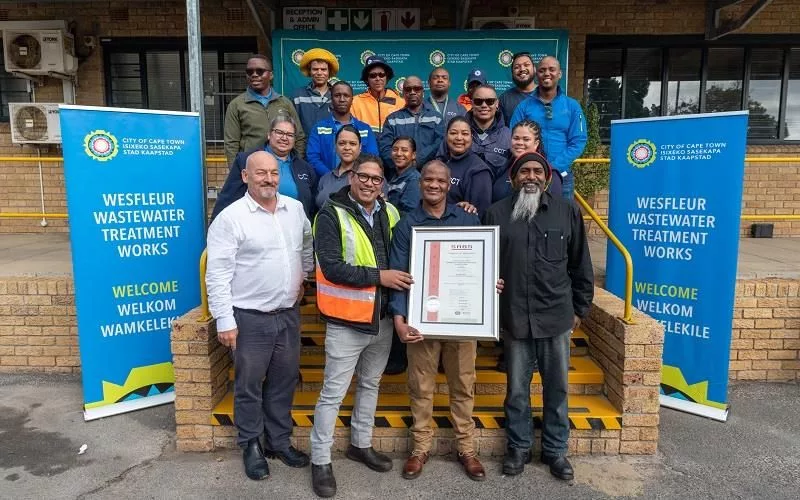
In a commendable demonstration of environmental commitment and dedication to quality management, the South African city of Cape Town has earned significant recognition for two of its wastewater treatment facilities. The Wesfleur and Melkbosstrand Wastewater Treatment Works (WWTWs) in the city have been recognized by the South African Bureau of Standards (SABS) for their high standards of quality management and operations with a prestigious ISO 9001 certification.
The Significance of ISO 9001 Certification
An ISO 9001 certification is a globally recognized quality management standard, intended to assist organizations in maintaining and meeting statutory and regulatory requirements of a product or service. Receiving this certification is a reflection of the city’s efforts to implement the highest quality management standards in its WWTWs, ensuring the provision of superior quality treated effluent and excellent customer service. Interestingly, this is not a first for Cape Town, as the Belleville WWTW was also awarded the ISO 9001 certification by the SABS in July of 2018.
The ISO 9001 certification holds considerable importance in the wastewater treatment industry. As the most universally applied quality management standard, it has been granted to over a million organizations across 189 countries. The certification enhances customer trust, promotes effective complaint resolution, encourages overall process improvement, and fosters ongoing optimization. All of these benefits collectively improve the wastewater treatment process, thereby providing effective sanitation for residents and clients.
Melkbosstrand and Wesfleur WWTWs: A Closer Look
The Melkbosstrand WWTW, situated in Melkbosstrand, caters to the sewage needs of Melkbosstrand, Duynefontein, and parts of the Big Bay communities. This facility discharges treated wastewater in accordance with the Department of Water and Sanitation (DWS) Standards Regulation 991. Notably, most of the treated wastewater from this facility is used for irrigation at the Atlantic Beach Golf Course, while the remainder is released into the Kleine Zoute River.
Meanwhile, the Wesfleur WWTW is located just outside of Atlantis in an industrial region. It comprises two separate activated sludge plants that treat industrial and domestic effluent from Atlantis. The industrial plant, commissioned in 1978, handles all industrial effluent, while the domestic plant, which began operations in 1986, processes domestic effluent. The treated wastewater from the domestic plant is used to replenish the Atlantis Aquifer, providing potable water for Atlantis and the adjacent regions.
Steps Taken Towards Obtaining Certification and Future Plans
Achieving the ISO 9001 Quality Management Standard certification required efficient management, robust process control, improved administrative systems, and ongoing communication with various stakeholders associated with the wastewater treatment plants. The managers of these facilities made the decision to pursue certification, inspired by the successful maintenance of Belleville WWTW’s ISO 9001 certification.
Besides the ISO 9001 certification, both Wesfleur and Melkbosstrand WWTWs are also striving to achieve the ISO 50001 certification, which will recognize their efforts in energy efficiency. Plans are underway for these facilities to undergo the necessary improvements and upgrades to attain this new certification.
Councillor Zahid Badroodien, the Mayoral Committee Member for Water and Sanitation, expressed immense pride in the Water and Sanitation team for their relentless efforts towards securing the ISO 9001 certification. He emphasized that this achievement assures that Cape Town’s WWTWs operate at maximum efficiency and maintain the highest quality standards at every stage of the process.
Looking Ahead: A Continued Commitment to Quality and Environmental Responsibility
Moving forward, the city plans to acquire more ISO 9001 certifications for its WWTWs, starting with the Kraaifontein WWTW. However, this endeavor will hinge on each WWTW’s performance concerning their National Department of Water and Sanitation (DWS) License/Permit conditions. This enduring commitment to quality and environmental stewardship underscores the City of Cape Town’s dedication towards its inhabitants and the safeguarding of our global environment.
What are Melkbosstrand and Wesfleur wastewater treatment facilities?
Melkbosstrand and Wesfleur wastewater treatment facilities are two of Cape Town’s wastewater treatment plants. The Melkbosstrand facility caters to the sewage needs of Melkbosstrand, Duynefontein, and parts of the Big Bay communities, while the Wesfleur facility is located outside of Atlantis and comprises two separate activated sludge plants that treat industrial and domestic effluent from Atlantis.
What is the ISO 50001 certification?
The ISO 50001 certification is a globally recognized energy management standard that helps organizations improve their energy efficiency and reduce costs. The Wesfleur and Melkbosstrand wastewater treatment facilities are striving to achieve this certification to recognize their efforts in energy efficiency.
How does ISO 9001 certification enhance customer trust and promote effective complaint resolution?
The ISO 9001 certification enhances customer trust by ensuring that the wastewater treatment facilities operate with high-quality management standards and provide superior sanitation for residents and clients. This certification also promotes effective complaint resolution by encouraging process improvement and ongoing optimization, ultimately improving the overall wastewater treatment process.
What steps did Cape Town take to obtain the ISO 9001 certification for its wastewater treatment facilities?
The managers of Wesfleur and Melkbosstrand wastewater treatment facilities pursued the ISO 9001 certification, inspired by the successful maintenance of Belleville WWTW’s ISO 9001 certification. Achieving this certification required efficient management, robust process control, improved administrative systems, and ongoing communication with various stakeholders associated with the wastewater treatment plants.
Why is ISO 9001 certification significant in the wastewater treatment industry?
The ISO 9001 certification holds considerable importance in the wastewater treatment industry as the most universally applied quality management standard, granted to over a million organizations across 189 countries. This certification enhances customer trust, promotes effective complaint resolution, encourages overall process improvement, and fosters ongoing optimization, ultimately improving the wastewater treatment process and providing effective sanitation for residents and clients.
What are Cape Town’s plans for its wastewater treatment facilities in the future?
The city of Cape Town plans to acquire more ISO 9001 certifications for its wastewater treatment facilities, starting with the Kraaifontein WWTW. However, these plans will hinge on each WWTW’s performance concerning their National Department of Water and Sanitation License/Permit conditions, reflecting the city’s enduring commitment to quality and environmental stewardship.