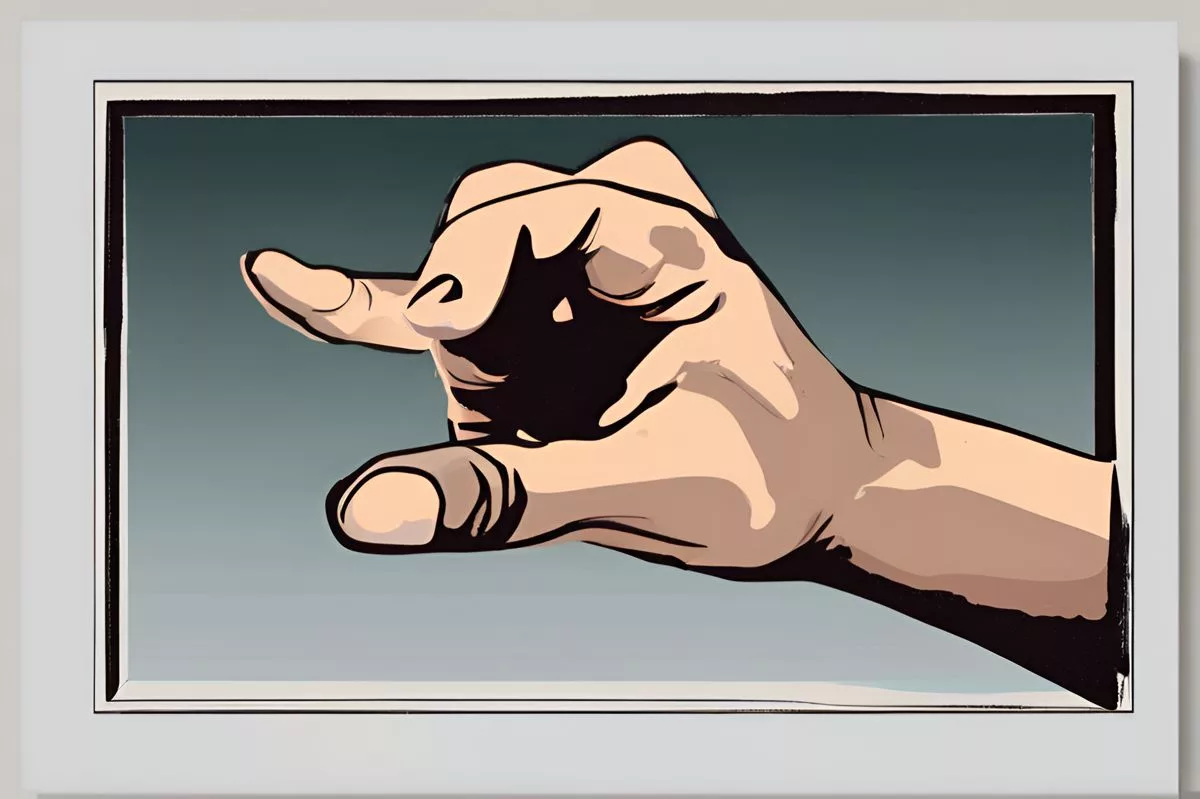
Dining out is more than just satisfying hunger, it’s about sharing experiences and socializing. To attract a waiter’s attention, raise a hand or offer a smile, but avoid being rude by snapping your fingers. It’s important to show respect and maintain a professional demeanor towards the waitstaff. Good etiquette also includes being considerate of others by keeping noise levels down, leaving the dining space tidy, respecting reservations and policies, and not lingering after the meal is finished. By following these guidelines, we can cultivate an environment of mutual respect and consideration, making dining out an enjoyable communal experience for everyone involved.
How can I attract a waiter’s attention without being rude?
Displaying subtle signs like raising a hand, nodding gently, or offering a polite smile is the best way to attract a waiter’s attention without being rude. Avoid snapping fingers or making impolite gestures as it can be seen as discourteous and belittling. Remember to show respect and maintain a professional demeanor towards the waitstaff.
A Harmonious Social Experience
Dining out transcends the ordinary act of quelling hunger; it’s a ritual synonymous with shared human experiences and social unity. It warrants a firm grasp of respect, thoughtfulness, and proper etiquette. In this enlightening exploration, we delve into six pivotal aspects of restaurant manners whose neglect could mar this shared experience for everyone involved.
Attracting a waiter’s attention is an art in itself. Seemingly harmless acts such as snapping one’s fingers can be misconstrued as discourteous and belittling, reminiscent of the era when domestic workers were summoned similarly in noble households. This action suggests an impatience that undermines the professional demeanor of the waitstaff. Rather, displaying subtle signs – like raising a hand, nodding gently, or even offering a polite smile – exudes respect.
The Art of Conversation and Cleanliness
The semblance of your conversation is another significant factor. Restaurants are not solely personal gratification zones; they are communal spaces where everyone’s experience matters. Speaking loudly or indulging in disruptive behavior can shatter this shared calmness. There is an inherent class and refinement in keeping a respectful noise level, validating the enjoyment of all guests.
Transitioning to the condition in which we leave our dining space, it’s disheartening to behold a scene of tossed napkins, spilt gravy, or breadcrumbs scattered like confetti. Such disarray signifies not only thoughtlessness but also a disrespect for the staff responsible for cleaning up after us. A small effort towards tidiness can exhibit our gratitude for their efforts.
Respect for Reservations and Restaurant Policies
Moving on to the significance of respecting reservations and seating arrangements, turning up late for a booking without prior notice to the restaurant or insisting on specific seating against the restaurant’s policy can impose unnecessary stress on the staff and inconvenience other guests. Adhering to restaurant procedures and communicating any changes promptly mirrors our respect for the establishment.
Let’s explore the practice of bringing external food or beverages to a restaurant. Unless required due to unique dietary needs or previously agreed upon with the management, this is generally regarded as poor etiquette. It undermines the integrity of the business and can be viewed as disrespectful to the establishment which takes pride in its culinary offerings and beverages.
The Unspoken Exit Etiquette
Finally, we examine the issue of lingering beyond one’s welcome. Occupying the table long after your meal has concluded, particularly during peak hours, can hinder the restaurant’s operation by barring new patrons from being seated. If you wish to extend your stay, consider moving to the bar area or courteously inquire if it’s permissible to continue occupying your table.
Perfecting the social nuances of dining out is tantamount to mastering an art form. It revolves around cultivating an environment of mutual respect and consideration, ensuring that everyone – from guests to the waitstaff – can revel in the experience. Whether we’re dining at a modest diner or a Michelin-starred restaurant, these etiquette guidelines hold substantial gravity. They remind us that dining out is a communal affair, a joyous celebration of society and good manners, and a golden opportunity to express our gratitude to those who make these experiences possible.
What is the importance of good etiquette when dining out?
Good etiquette when dining out is about showing respect and maintaining a professional demeanor towards the waitstaff and being considerate of others by keeping noise levels down, leaving the dining space tidy, respecting reservations and policies, and not lingering after the meal is finished. By following these guidelines, we can cultivate an environment of mutual respect and consideration, making dining out an enjoyable communal experience for everyone involved.
How can I attract a waiter’s attention without being rude?
Displaying subtle signs like raising a hand, nodding gently, or offering a polite smile is the best way to attract a waiter’s attention without being rude. Avoid snapping fingers or making impolite gestures as it can be seen as discourteous and belittling. Remember to show respect and maintain a professional demeanor towards the waitstaff.
Why is it important to keep noise levels down when dining out?
Restaurants are communal spaces where everyone’s experience matters. Speaking loudly or indulging in disruptive behavior can shatter this shared calmness. There is an inherent class and refinement in keeping a respectful noise level, validating the enjoyment of all guests.
Should I bring external food or beverages to a restaurant?
Unless required due to unique dietary needs or previously agreed upon with the management, bringing external food or beverages to a restaurant is generally regarded as poor etiquette. It undermines the integrity of the business and can be viewed as disrespectful to the establishment which takes pride in its culinary offerings and beverages.
How can I show my gratitude to the staff responsible for cleaning up after us?
Leaving the dining space tidy signifies not only thoughtfulness but also a respect for the staff responsible for cleaning up after us. A small effort towards tidiness can exhibit our gratitude for their efforts.
What should I do if I wish to extend my stay at a restaurant?
Occupying the table long after your meal has concluded, particularly during peak hours, can hinder the restaurant’s operation by barring new patrons from being seated. If you wish to extend your stay, consider moving to the bar area or courteously inquire if it’s permissible to continue occupying your table.