World’s First-Ever Beak Transplant Saves Starving Vulture’s Life

2 mins read
wildlife conservation beak transplant

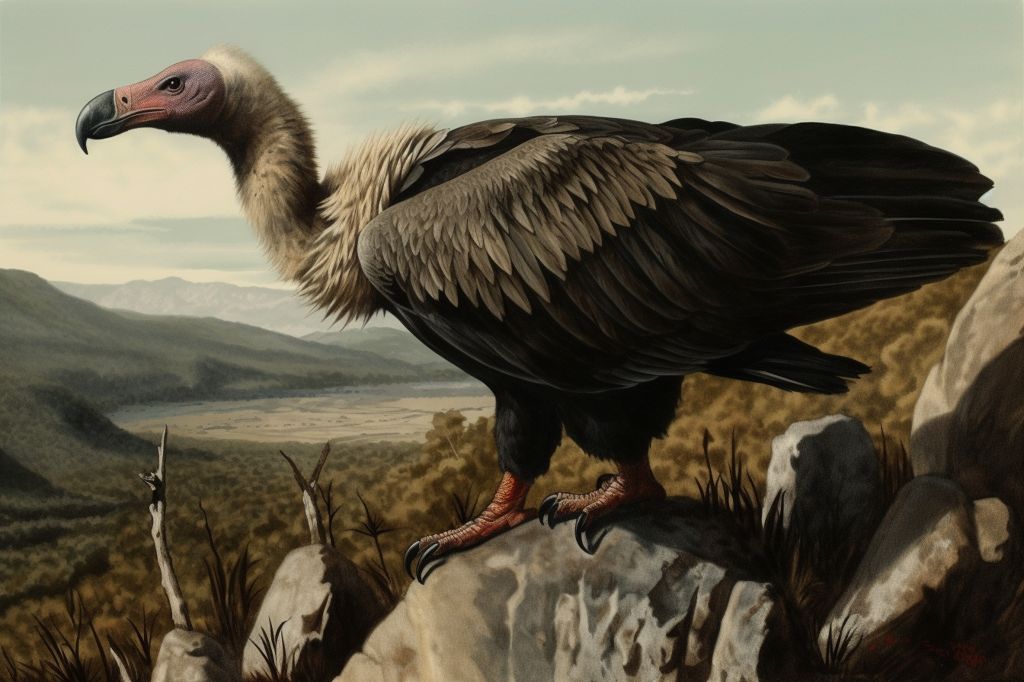
In a groundbreaking operation, a starving vulture received the world’s first-ever beak transplant on a bird of prey, allowing it to feed once more.

The Procedure

The pioneering surgery was performed by top wildlife veterinarian Professor Katja Koeppel after the vulture suffered severe injuries in a car accident in South Africa. The damaged beak of the White-backed Vulture was replaced with the beak of a deceased vulture, giving the bird a second chance at life.

Newsletter

Stay Informed • Cape Town

Get breaking news, events, and local stories delivered to your inbox daily. All the news that matters in under 5 minutes.

Join 10,000+ readers
No spam, unsubscribe anytime

The Challenge

This extraordinary procedure had only been attempted once before, on a duck in New Zealand. However, the vulture’s beak transplant presented a more significant challenge, as its new “bionic beak” had to be strong enough to tear strips of flesh from carcasses while competing with other birds. Previous attempts to create a prosthetic beak for the vulture using titanium and acrylic materials were unsuccessful.

Unique Technique

Thus, Dr. Koeppel, an Associate Professor with the University of Pretoria’s Faculty of Veterinary Science, had to devise a unique transplant technique that would prove more durable. The team used a beak from a deceased vulture in the laboratory freezer, sawing off a piece of it that matched the missing section of the injured bird’s beak. With six orthopedic screws, they secured the dead bird’s beak to the damaged one beneath, creating a functional beak that has lasted a month so far.

Recovery and Future Plans

Bird beaks are made of keratin, the same protein found in rhinoceros horns and human fingernails, which grows back. Therefore, the transplanted beak acts as a protective shield, allowing the original beak to grow back underneath while the bird can still feed and live normally. The injured vulture’s original beak might take up to a year to grow back fully beneath the transplanted beak, which will then be removed.

Due to the bird’s injuries, including blindness in one eye, it cannot be released back into the wild. However, the conservation center hopes the vulture will find a mate and produce chicks that can be released to help preserve the highly endangered species.

Decline in Population and Conservation Efforts

White-backed Vultures have experienced a severe decline in population in Southern Africa, dropping from 270,000 in 1992 to just 40,000 today. These majestic birds are now classified as highly endangered.

Kerri Wolter, Chief Executive Officer of VulPro, founded the charity in 2007. It currently has nine staff members and treats around 100 injured vultures each year, successfully releasing 60% back into the wild. Most of the birds they receive have severely broken wings, typically caused by power lines or wind turbines, and all nine species of vulture in South Africa are now in decline.

Vultures play a crucial role in the ecosystem, using their large hooked beaks to clean carcasses and prevent the spread of deadly diseases. They have an undeserved bad reputation, but organizations like VulPro are working tirelessly to protect these fascinating creatures and help them thrive once more. If you would like to support VulPro’s efforts in rescuing and rehabilitating vultures, please visit their website at www.vulpro.com and click “DONATE.”
Chloe de Kock is a Cape Town-born journalist who chronicles the city’s evolving food culture, from township braai joints to Constantia vineyards, for the Mail & Guardian and Eat Out. When she’s not interviewing grandmothers about secret bobotie recipes or tracking the impact of drought on winemakers, you’ll find her surfing the mellow breaks at Muizenberg—wetsuit zipped, notebook tucked into her backpack in case the next story floats by.

Leave a Reply

Your email address will not be published.

Previous Story

Addressing the Surge in Animal Impoundment and Promoting Public Responsibility

Next Story

Dimples Dumpling House: A Culinary Experience of Dim Sum

Latest from Blog

Between Concrete and Current – Four Inland Hearts Meet the Indian Ocean

This article tells a beautiful story of four South Africans from inland places who see the Indian Ocean for the very first time. For many, the sea is just a picture, far away and hard to reach. But when these brave people finally touch the salty water, it changes them deeply. They feel the ocean’s power, taste its salt, and understand that this huge, blue world is now a part of their own story, breaking down old ideas about who can connect with the sea.

A Teenager in a White Coat: How One Student Shattered South Africa’s Medical Age Record

{“summary”: “Imagine a whiz kid, David Obagbuwa, who started high school at 11 and became a doctor at just 21! He shattered South Africa’s medical age record, proving that a sharp mind and hard work can achieve amazing things. From classrooms in KwaZuluNatal to intense medical studies, David tackled every challenge. Even during lockdown, he quickly mastered his courses. Now, he’s ready to help people, showing that big dreams can come true, no matter how young you are.”}

Martian Dust, Carbon ankles & a R4-million Promise: Inside the 2026 Cape Epic’s Mobility Rebellion

Get ready for the 2026 Cape Epic, but this isn’t just any bike race! Three special teams, using amazing robotic legs and carbon ankles, will tackle the tough trails. They’re racing to raise R4 million to buy 200 new prosthetic limbs, 150 wheelchairs, and 50 sports blades for people in South Africa who need them. Every pedal stroke helps someone gain freedom and move again, showing that movement is for everyone, not just a few. This epic journey turns sweat into hope, changing lives one kilometer at a time.

Cape Town’s Shadow State: How Extortion Became the New Township Taxman

Cape Town has a big problem: bad guys are shaking down businesses and projects for money. They act like “taxmen” in townships, making building costs shoot up and forcing small shops to close. These criminals cause fear, stop important work, and even kill people who get in their way. It’s like a shadow government taking over, making life hard for everyone and costing the city tons of money. People are scared, and it’s unclear how this dangerous situation will ever truly end.