
A Look into South Africa’s Prisons: Social Media Activity Raises Concerns

1 min read
south africa prisons

The South African penitentiary system has come under intense scrutiny due to concerns over its effectiveness and security. Recent incidents, including the prison break of Thabo Bester – a convicted rapist and murderer – from Manguang Prison last year and the emergence of live videos on social media platforms like Facebook and TikTok, have fueled public alarm.

Shattering Perceptions of South African Prisons

South African prisons are typically seen as neatly dressed convicts who adhere to a strict routine within confined spaces. The prison escape of “The Facebook Rapist” earlier this year revealed a different picture. It was discovered that he wore civilian clothing and successfully ran businesses while incarcerated. Similarly, the case of Bester, who repeatedly left the prison grounds for private rendezvous with his accomplice, has exposed the unsettling reality of South African prisons.

Newsletter

Stay Informed • Cape Town

Get breaking news, events, and local stories delivered to your inbox daily. All the news that matters in under 5 minutes.

Join 10,000+ readers
No spam, unsubscribe anytime

“TikTok Prisoners” Lift the Veil

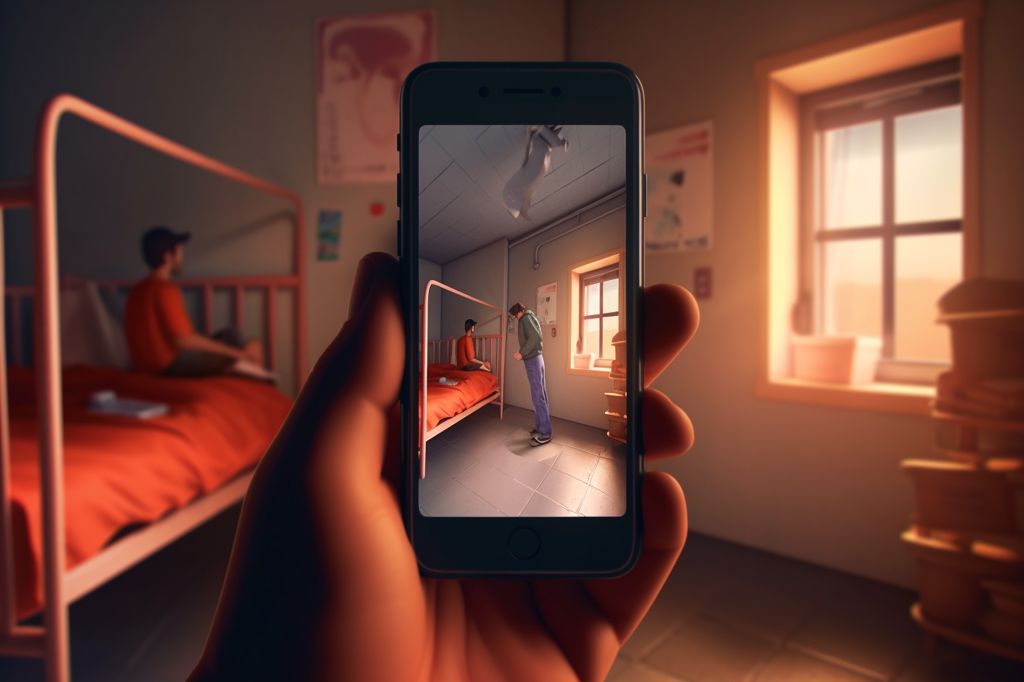
The emergence of “TikTok prisoners” has further exposed the truth behind South African prisons. Inmates possessing mobile devices with internet access is a common occurrence, and they routinely capture themselves on live videos without any apparent objections from fellow prisoners.

Concerned Citizens Speak Out

Ian Cameron, a concerned citizen, recently shared snippets of live videos originating from South African prison cells on Twitter. The videos, recorded by the inmates themselves on TikTok, showed prisoners engaged in mundane activities within their cells. Cameron expressed his frustration with the situation in a tweet directed at the Minister of Justice, Ronald Lamola, stating that “criminals in South Africa have more rights than law-abiding citizens.”

A Call for Action

Many South Africans have criticized the government for its incompetence and have demanded action. However, some individuals argue that prisoners should be allowed to keep their mobile devices. The controversy raises questions about the effectiveness of South Africa’s penitentiary system and whether authorities are adequately addressing the challenges it faces.

Balancing Inmate Rights and Public Safety

As the debate surrounding prisoners’ rights and privileges continues, it is essential to consider the broader implications for public safety and justice in South Africa. The use of social media by inmates could potentially lead to a more transparent and informed understanding of the nation’s prisons. However, it may also reveal disturbing trends that require urgent intervention and reform. Ultimately, the authorities must strike a balance between ensuring the rights and welfare of inmates while maintaining public confidence in their ability to keep society safe.

Michael Jameson is a Cape Town-born journalist whose reporting on food culture traces the city’s flavours from Bo-Kaap kitchens to township braai spots. When he isn’t tracing spice routes for his weekly column, you’ll find him surfing the chilly Atlantic off Muizenberg with the same ease he navigates parliamentary press briefings.

Leave a Reply

Your email address will not be published.

Previous Story

A Closer Look at South Africa’s Struggling Literacy Landscape

Next Story

South African parliamentarians vote in favor of NHI bill

Latest from Blog

From SABC to SARS: South Africa’s Leap Toward a Streaming-Age Public-Media Levy

South Africa is ditching its old TV license for a new, smarter way to fund public media by 2027. Instead of paying for a TV, everyone will pay a small, regular amount, like a household bill, collected by SARS. This change aims to give the SABC steady money to keep telling our stories and sharing news, even if we watch on phones or computers. It’s a big leap from dusty old TVs to the modern streaming world, making sure public broadcasting stays alive and well for everyone.

When Gold Turns to Groceries: The Afterlife of a 1995 Springbok Medal

Adriaan Richter, a 1995 Springbok rugby hero, had to auction his World Cup medal because life tackled him hard. After business dreams crashed and debts piled up, that shining medal became his last hope. It wasn’t just gold; it was a lifeline, sold to cover his children’s school fees and keep his family afloat. This onceproud symbol of victory became a stark reminder of life’s tough scrums, showing how even a hero’s glory can turn into groceries.

When a 73-Second Clip Shook Bafana: Anatomy of a Racism Storm

A 73second video of Bafana Bafana coach Hugo Broos scolding a player ignited a huge racism storm in South African football. People online shared the clip, saying a white coach was putting down a black player. This caused a big fight about race, gender, and class in the sport. SAFA worked hard to show the full video and defend their coach. In the end, the player’s mother and the team captain helped calm things down, showing the country’s complicated feelings about race.

21:00 Tonight: 83 Million Reasons to Hold Your Breath

Tonight at 9 PM, South Africa holds its breath for the PowerBall lottery. Eightythree million rand is up for grabs, a lifechanging amount for someone lucky. People pick five numbers and one PowerBall number, hoping their dreams come true. Even though winning is super hard, everyone imagines what they’d do with the money. It’s a moment when the whole country pauses, dreaming big dreams for just a few minutes.

A Night for Cravings, A Grave for Two: The Shanice Rudolph Story

Shanice Rudolph, a 23yearold pregnant woman, vanished after a quick trip to the corner shop and was found buried in Klip Road Cemetery. She and her unborn son tragically died from brutal bluntforce trauma, likely from a concrete rod. “Oom Boeta,” a backyard mechanic known to her family, has been arrested in connection with this heartbreaking double murder. This case has ignited fury, with activists demanding justice and stronger laws against violence towards pregnant women.