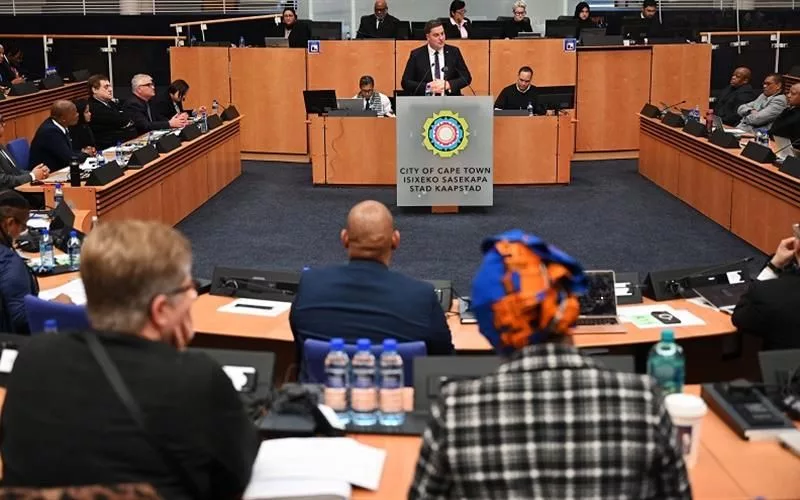

The Department of Higher Education and Training (DHET) in South Africa has demonstrated financial responsibility by returning R580 million to the National Treasury due to the impact of the Covid pandemic, while still achieving 99% of its performance objectives. Under the leadership of Minister Nobuhle Nkabane, the DHET is committed to developing a qualified workforce that contributes to economic expansion through its higher learning institutions. The DHET’s initiatives include resolving legal litigation, prioritizing response to gender-based violence, investing in research and development, and expanding the post-secondary education and training system.
DHET’s Financial Responsibility
The Department of Higher Education and Training (DHET) has returned R580 million to the National Treasury due to Covid pandemic consequences. Despite this financial surrender, the department has accomplished 99% of its performance objectives. The department is also set to relinquish an additional R115 million, demonstrating the department’s unwavering dedication to financial accountability and transparency.
Under the capable leadership of Minister Nobuhle Nkabane, the Department of Higher Education and Training (DHET) has established a widespread influence across South Africa’s provinces. Its higher learning institutions, including public universities, TVET and Community Education and Training colleges, and SETA’s, are strategically designed to develop a qualified, competent workforce that contributes to economic expansion.
The insights from the minister’s recent discourse during the National Council of Provinces (NCOP) 2024 Policy Debate Vote 17 offered a comprehensive understanding of the DHET’s budgetary appropriations and future strategies. Importantly, the minister addressed topical issues affecting the higher education landscape.
DHET’s Financial Responsibility
The DHET has exhibited shrewd fiscal management, returning R580 million to the National Treasury due to attrition amongst personnel and delays in receiving capital assets, both consequences of the Covid pandemic. Despite this financial surrender, the department has admirably accomplished 99% of its performance objectives.
The department is also set to relinquish an additional R115 million, a residue from the Vista University Trust. This demonstrates the department’s unwavering dedication to financial accountability and transparency.
Resolving Legal Litigation and Streamlining Administrative Appointments
The lawsuit between NSFAS and eZAGA Holdings, affecting over a million students, holds substantial public interest. The minister assured the assembly that the primary objective is to maintain continuous payment of benefits to students, universities, TVET Colleges, and ancillary service providers.
In terms of administrative appointments, Minister Nkabane elucidated the process for designating SETA CEOs, affirming that their tenure aligns with those of SETA Boards or Accounting Authorities. She also brought attention to the approaching end of terms for all SETA Boards in March 2025, assuring the pursuit of competent Board Members for succeeding appointments.
DHET’s Budget Allocation
The DHET’s undertakings for the present financial year are bolstered by a budget of R137.5 billion. This allocation is projected to increase annually by an average rate of 4.8%, culminating at R150.2 billion by the 2026/27 financial year.
By employing the District Development Model, the department aims to encourage integrated planning and coordination to secure sustainable development. The objective is to ensure the skills and training interventions offered by DHET institutions align with provincial economic development and industry needs within particular districts.
Prioritising Response to Gender-Based Violence and Improving Health
HIGHER HEALTH, an initiative by the DHET, is aimed at fostering closer collaboration with provincial governments to tackle Gender-Based Violence and Femicide within universities, TVET, and CET colleges. The GBV Policy Framework, launched in 2020, equips all institutions with systems and capacity to respond to Gender-Based Violence, enhancing the department’s endeavors to mitigate such violence in educational institutions.
Emphasis on Student Financial Aid
Minister Nkabane also discussed required transformations within the National Student Financial Aid Scheme (NSFAS). She reassured the house of the department’s commitment to addressing all concerns raised by stakeholders. She shed light on NSFAS’s accomplishments, which has grown its budget from a humble R33 million in 1991 to a considerable R47.6 billion in 2023, supporting 1.1 million students.
Infrastructure Development
The department’s investment in infrastructure for the current financial year is valued at R4.3 billion. This includes the establishment of the University of Science and Innovation in Ekurhuleni, the University of Policing and Crime Detection in Hammanskraal, and a campus for the Tshwane University of Technology. Other infrastructural projects, such as the construction of Community Education and Training Colleges and increased student accommodations, are in the pipeline.
Expanding Post Secondary Education and Training System
The Department remains committed to enlarging the Post Secondary Education and Training system, predominantly the college sector. The National Plan for Post-School Education and Training strives to increase enrolments in TVET and CET colleges, targeting one million enrolments in CET colleges and 2.5 million in TVET colleges by 2030.
Investing in Research, Development, and Skills Evolution
The DHET is channeling investments into research and development and leading the skills revolution to detect emerging skills gaps and trends in the labor market. The aim is to ensure artisans possess the necessary skills for employment, with a target to produce 30, 000 artisans annually.
The minister’s address illuminates the department’s dedication to enhancing higher education and training in South Africa. The initiatives undertaken by the DHET reflect its determination to transform the lives of average South Africans, particularly the youth, through education and skills development. The budget vote and policy debate undeniably set a hopeful tone for the future of higher education and training in the nation.
1. How has the Department of Higher Education and Training (DHET) demonstrated financial responsibility?
The DHET has returned R580 million to the National Treasury due to the impact of the Covid pandemic while still achieving 99% of its performance objectives.
2. What are some initiatives taken by the DHET to enhance economic expansion through higher learning institutions?
The DHET’s initiatives include resolving legal litigation, prioritizing response to gender-based violence, investing in research and development, and expanding the post-secondary education and training system.
3. What are some measures taken by the DHET to resolve legal litigation and streamline administrative appointments?
The minister addressed the lawsuit between NSFAS and eZAGA Holdings, affirming that the primary objective is to maintain continuous payment of benefits to students, universities, TVET Colleges, and ancillary service providers. In terms of administrative appointments, the minister elucidated the process for designating SETA CEOs, and she also brought attention to the approaching end of terms for all SETA Boards in March 2025, assuring the pursuit of competent Board Members for succeeding appointments.
4. What is the current budget allocation for the DHET and how is it projected to increase in the future?
The DHET’s undertakings for the present financial year are bolstered by a budget of R137.5 billion. This allocation is projected to increase annually by an average rate of 4.8%, culminating at R150.2 billion by the 2026/27 financial year.
5. What is HIGHER HEALTH and what is its aim?
HIGHER HEALTH, an initiative by the DHET, is aimed at fostering closer collaboration with provincial governments to tackle Gender-Based Violence and Femicide within universities, TVET, and CET colleges. The GBV Policy Framework, launched in 2020, equips all institutions with systems and capacity to respond to Gender-Based Violence.
6. What is the DHET doing to expand the Post Secondary Education and Training system?
The DHET remains committed to enlarging the Post Secondary Education and Training system, predominantly the college sector. The National Plan for Post-School Education and Training strives to increase enrolments in TVET and CET colleges, targeting one million enrolments in CET colleges and 2.5 million in TVET colleges by 2030.