Water and Sanitation: An Overview of KwaZulu-Natal’s Dam Levels

1 min read
water conservation dam levels

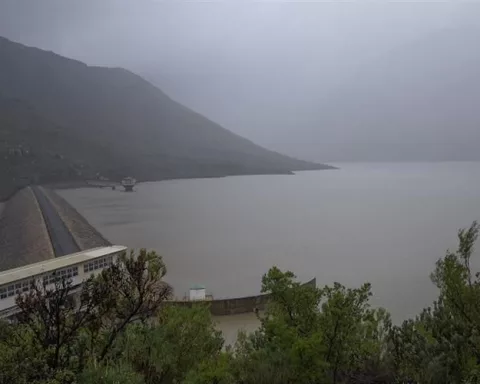
KwaZulu-Natal, a coastal province in South Africa, has been successful in maintaining stable dam levels throughout the winter season. This accomplishment is a testament to the province’s commitment to ensuring a consistent water supply and promoting responsible water usage. This article provides an overview of the current situation of dam levels in KwaZulu-Natal and emphasizes the importance of water conservation measures.

Stable Dam Levels in KwaZulu-Natal

Despite a slight decrease in storage capacity from 91.1% to 90.9% and a drop in the Umgeni water supply system from 98.0% to 97.5%, the overall water supply in KwaZulu-Natal remains secure. This reflects the province’s effective water management strategies.

Newsletter

Stay Informed • Cape Town

Get breaking news, events, and local stories delivered to your inbox daily. All the news that matters in under 5 minutes.

Join 10,000+ readers
No spam, unsubscribe anytime

Changes in Dam Levels

Several dams in KwaZulu-Natal have reported minor fluctuations in their water contents. For instance, the Albert-Falls Dam, responsible for supplying water to the eThekwini Metro, remains stable at 99.8%. Midmar Dam on the Mgeni River has marginally declined from 97.0% to 96.8%, and Nagle Dam’s level has slightly dropped from 99.9% to 98.2%.

On the other hand, Driel Barrage Dam on the Tugela River has experienced a minor increase from 93.4% to 95.0%. Craigie Burn, Zaaihoek, and Bivane dams have remained unchanged with water levels of 100.4%, 90.6%, and 100.5%, respectively. Furthermore, Hazelmere Dam, which provides water to KZN’s North Coast, stands at 59.1%, a marginal decrease from 59.4% last week.

The Importance of Water Conservation

The Department of Water and Sanitation (DWS) urges residents to continue using water sparingly and responsibly. This includes avoiding vandalism of water infrastructure, promptly reporting and fixing water leaks, and collaborating with local authorities. The DWS works alongside provincial and local governments to ensure water security in the province.

Natural Fluctuations and Effective Water Management

Other dam levels in KwaZulu-Natal, such as Spioenkop, Mearns, Ntshingwayo, Inanda, Wagendrift, Hluhluwe, Goedertrouw, and Klipfontein, have either slightly increased or decreased within the past week. These changes reflect the natural fluctuations that occur in the dams, emphasizing the need for effective water management.

Promoting Sustainable Water Infrastructure and Responsible Water Use

KwaZulu-Natal’s ability to maintain stable dam levels showcases its commitment to providing a reliable water supply for its residents. Water is a crucial resource for various aspects of life, including agriculture, industry, and domestic use. Therefore, it is essential for governments and citizens to work together to protect and conserve water sources.

The province’s efforts to manage its water resources highlight the significance of investing in sustainable water infrastructure and promoting responsible water use. With ongoing collaboration between the government, local authorities, and citizens, KwaZulu-Natal continues to strive for water security and environmental sustainability.

A Russian-Spanish journalist and Cape Town native, channels his lifelong passion for South Africa into captivating stories for his local blog. With a diverse background and 50 years of rich experiences, Serjio's unique voice resonates with readers seeking to explore Cape Town's vibrant culture. His love for the city shines through in every piece, making Serjio the go-to source for the latest in South African adventures.

Leave a Reply

Your email address will not be published.

Previous Story

Africa Public Service Day Ministerial Youth Outreach Dialogue: A Milestone for a United and Empowered Africa

Next Story

Joint Compliance Monitoring at Potsdam Wastewater Treatment Works and Other Facilities

Latest from Blog

Forging a Path to Enhanced Executive Oversight

South Africa is making big changes to keep a close eye on its top leaders! They made a new special committee in their parliament to watch the President. This committee will make sure the President and their office are doing things right and spending money wisely. They looked at how other countries do this to learn the best ways. This means more openness and trust, making sure everyone in power is held accountable to the people.

Cape Town’s Unmissable Weekend of Sporting Action

Cape Town is bursting with sports action from December 5th to 7th, 2025! You can cheer for the Proteas Women’s cricket team at Newlands against Ireland. Then, get ready for super exciting rugby sevens at DHL Stadium with the SVNS Cape Town tournament. And don’t miss Cape Town City FC playing football at Athlone Stadium. It’s a weekend full of thrills and fun for everyone!

South Africa Shines on the Global Cheese Stage

South African cheesemakers dazzled at the 2025 World Cheese Awards in Switzerland! They won many shiny medals, including two top Super Gold awards for Klein River Cheese’s Babylonstoren Parmesan and Dalewood Fromage’s Boland cheese. Nellie Fischer was even named the Best Female Cheesemaker. This big win makes South Africa super proud and shows their amazing cheese is now famous all over the world!

Renewing the Mozambique-South Africa Partnership: Highlights from the 4th Bi-National Commission

Mozambique and South Africa just held their 4th big meeting, the BiNational Commission, in Maputo. Their leaders, Presidents Ramaphosa and Chapo, met to make their countries even closer friends. They talked about important things like making their economies stronger, keeping everyone safe, and helping people thrive. This meeting helps them work together on many projects, from big gas plants to fighting sickness, making life better for everyone in both countries.

Deepening South Africa-Mozambique Ties: Progress and Prospects from the Fourth Bi-National Commission

South Africa and Mozambique are like old friends, working together to make things better. They talk a lot about how to help each other, especially with money, jobs, and safety. They remember their shared past of fighting for freedom, which makes their bond super strong. Now, they’re building roads, sharing power, and helping each other stay healthy and safe. This teamwork helps both countries grow and makes the whole neighborhood stronger.