Cape Town’s dams have exceeded 100% capacity, bringing a wave of comfort to its inhabitants. The extra water is a result of water cascading over the dam’s spillways, providing an ephemeral reservoir of water for rivers downstream. While the fixed baseline fee for water supply remains constant, the usage-based fee may increase to recoup expenditures associated with delivering trustworthy water services. Cape Town is investing in desalination, groundwater systems, and reuse, and aims to amplify water supply by an additional 300 million litres of new water per day by 2030 to ensure future water availability.
What happens when Cape Town’s dams exceed 100% capacity? The extra water is the result of water cascading over the dam’s spillways, providing an ephemeral reservoir of water for rivers downstream. While the fixed baseline fee for water supply remains constant, the usage-based fee may increase to recoup expenditures associated with delivering trustworthy water services. Nonetheless, Cape Town encourages water conservation efforts, invests in desalination, groundwater systems, and reuse, and aims to amplify water supply by an additional 300 million litres of new water per day by 2030.
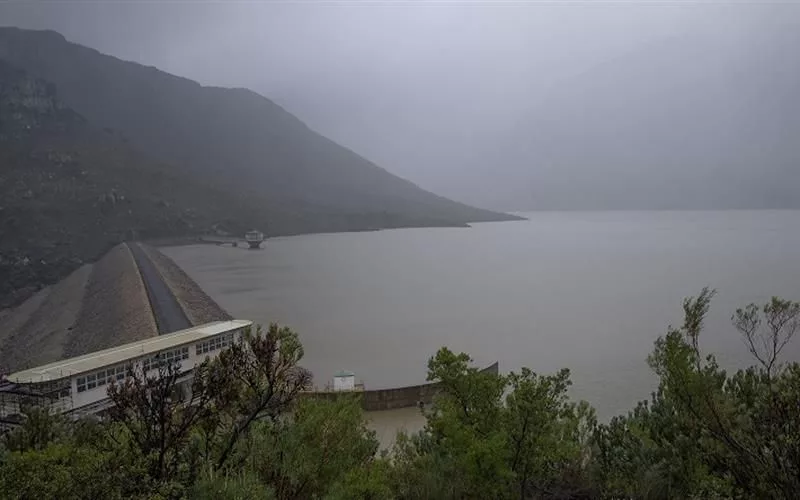
In a metropolis like Cape Town where water shortage often triggers anxiety, the recent bulge in the city’s dam levels to an awe-inspiring 101% has ushered in a wave of comfort, even delight, among its inhabitants. The consistent precipitation over the past week has contributed to a 1.8% climb in the dam levels, a significant enhancement from the 99.6% recorded during the same period in the previous year.
The Mystery of Overfilled Dams
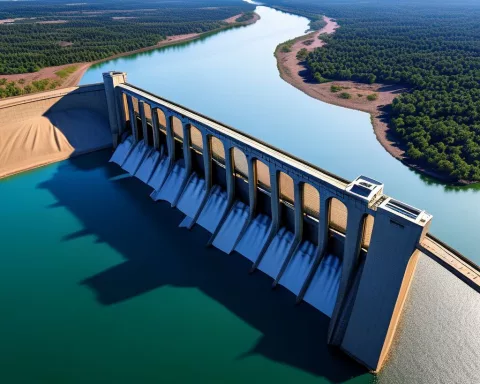
The spectacle of dams filled to the brim and beyond naturally sparks curiosity among onlookers. Many may question how a dam’s capacity can surpass 100% and the fate of the extra water. The surplus percentage is not an error but a deliberate quantification of the water depth cascading over the dam’s spillways – an ephemeral reservoir of water confined behind the dam barrier. This torrent enriches the rivers downstream, embodying a vital element in their ecological viability.
Deciphering why some dams appear more bloated than others demands a grasp of geographical dynamics. The water volume in dams hinges on the rainfall received at their specific locales, a factor that is season-dependent, and also on the dimension of the dam. As a consequence, certain dams might touch their overflow point earlier than others.
The Dynamics of Cape Town’s Water Tariffs
As the dams gush over, the conversation around the city’s water tariffs retains its relevance. Cape Town’s water tariff is a two-pronged arrangement encompassing a usage fee, which aligns with the amount of water consumed, and a fixed baseline fee. Residents shell out an average of 6c to 8.5c for every litre of tap water, a tariff that aids in recouping expenditures associated with delivering trustworthy water services.
The operational expenses for substantial infrastructure, water collection, and purification, as well as the upkeep of a vast grid of water conduits, wastewater pump stations, and treatment facilities, remain predominantly unimpacted by the dam levels or the water usage quantity. The tariff, thus, is adjusted to compensate for these outlays.
The Implication of Full Capacity Dams on Water Tariffs
Even with the dams spilling over their maximum capacity, the fixed baseline fee holds firm. This constant tariff is crucial to the city’s budget in sustaining a dependable water supply. Abolishing this charge would result in a substantial deficit and an inevitable uptick in the usage-based fee. The fixed baseline fee safeguards certainty in the Water and Sanitation Directorate’s revenue estimate, financing operational costs, and significant ventures such as the New Water Programme (NWP) and the Water Pipe Replacement Programme.
Additionally, the city refrains from slapping a ‘drought levy’, nor is the fixed baseline charge a fine or surcharge. Households grappling with hardship are absolved from the fixed baseline fee and persist in receiving their quota of gratis water and sanitation.
Despite the dams brimming over their full capacity, should residents anticipate a reduction in the water tariff? The response is negative. The expense associated with water provision remains steady, independent of the water volume in the system or the dams. The lowest (no restriction) tariff has been effective since 1 November 2020 and is expected to remain unchanged.
The Importance of Water Conservation
With dams at their peak, residents might question the need for continued caution regarding their water consumption. The response is a resounding affirmative. Water is a priceless resource, and safeguarding it should always be a high priority, irrespective of the dams’ status or the seasonality. The winter rain boosts water security, but completely relying on it for the entire hydrological year is not viable.
Cape Town is actively striving to ensure future water availability. Amid climate change and erratic rainfall, the city’s Water and Sanitation Directorate is investing in Cape Town’s New Water Programme (NWP). This initiative includes ventures like desalination, groundwater systems, and reuse, all at different stages of execution. The objective is to amplify supply by an additional 300 million litres of new water daily by 2030.
This effort forms part of the city’s long-term Water Strategy, aimed at cutting down reliance on rainfall and dam storage. The goal is to fortify resilience against future climatic shocks and droughts. These forward-looking measures underscore the city’s dedication to preserving its water resources and securing the availability of this vital commodity for its citizens in the future.
For additional information, please visit Cape Town’s official website or refer to the Water_Outlook_March_2024.pdf. Regular updates on Cape Town’s dam levels can also be tracked on the city’s official website.
1. What happens when Cape Town’s dams exceed 100% capacity?
The extra water is the result of water cascading over the dam’s spillways, providing an ephemeral reservoir of water for rivers downstream. While the fixed baseline fee for water supply remains constant, the usage-based fee may increase to recoup expenditures associated with delivering trustworthy water services. Nonetheless, Cape Town encourages water conservation efforts, invests in desalination, groundwater systems, and reuse, and aims to amplify water supply by an additional 300 million litres of new water per day by 2030.
2. What is the mystery behind overfilled dams?
The surplus percentage is not an error but a deliberate quantification of the water depth cascading over the dam’s spillways – an ephemeral reservoir of water confined behind the dam barrier. This torrent enriches the rivers downstream, embodying a vital element in their ecological viability. The water volume in dams hinges on the rainfall received at their specific locales, a factor that is season-dependent, and also on the dimension of the dam.
3. How does Cape Town’s water tariff work?
Cape Town’s water tariff is a two-pronged arrangement encompassing a usage fee, which aligns with the amount of water consumed, and a fixed baseline fee. Residents shell out an average of 6c to 8.5c for every litre of tap water, a tariff that aids in recouping expenditures associated with delivering trustworthy water services. The tariff is adjusted to compensate for operational expenses for substantial infrastructure, water collection, and purification, as well as the upkeep of a vast grid of water conduits, wastewater pump stations, and treatment facilities.
4. How does full capacity dams affect water tariffs?
Even with the dams spilling over their maximum capacity, the fixed baseline fee holds firm. This constant tariff is crucial to the city’s budget in sustaining a dependable water supply. Abolishing this charge would result in a substantial deficit and an inevitable uptick in the usage-based fee. The fixed baseline fee safeguards certainty in the Water and Sanitation Directorate’s revenue estimate, financing operational costs, and significant ventures such as the New Water Programme (NWP) and the Water Pipe Replacement Programme. The lowest (no restriction) tariff has been effective since 1 November 2020 and is expected to remain unchanged.
5. Does the increase in water supply mean residents can relax on water conservation efforts?
No, water is a priceless resource, and safeguarding it should always be a high priority, irrespective of the dams’ status or the seasonality. The winter rain boosts water security, but completely relying on it for the entire hydrological year is not viable. Cape Town is actively striving to ensure future water availability. Amid climate change and erratic rainfall, the city’s Water and Sanitation Directorate is investing in Cape Town’s New Water Programme (NWP), which includes ventures like desalination, groundwater systems, and reuse, all at different stages of execution.
6. Where can I find more information on Cape Town’s water management strategy?
For additional information, please visit Cape Town’s official website or refer to the Water_Outlook_March_2024.pdf. Regular updates on Cape Town’s dam levels can also be tracked on the city’s official website.