

Johannesburg Police to Wear Body Cameras

1 min read
body cameras corruption

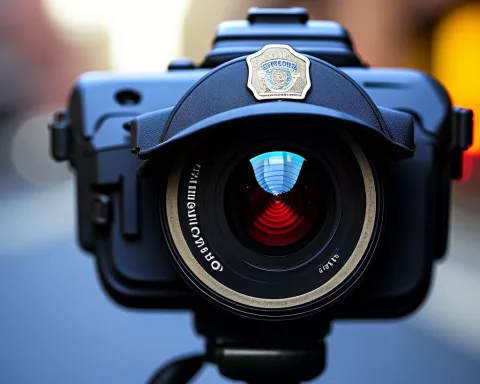
The Johannesburg Metropolitan Police Department (JMPD) has announced that its on-duty officers will wear body cameras to combat corruption and bribery in South African roads. The initiative is in response to public complaints of misconduct by JMPD officers, including corruption, bribery, extortion, and kidnapping. The introduction of body cameras aims to ensure transparency and accountability among law enforcement officials.

Skepticism Surrounding the Use of Body Cameras

Although many South Africans have welcomed the introduction of body cameras, some remain skeptical about their effectiveness in reducing corruption. Skeptics argue that officers determined to engage in illegal activities could bypass the surveillance provided by body cameras. Others counter that the presence of cameras may deter such acts and protect both officers and citizens.

Newsletter

Stay Informed • Cape Town

Get breaking news, events, and local stories delivered to your inbox daily. All the news that matters in under 5 minutes.

Join 10,000+ readers
No spam, unsubscribe anytime

Corruption in South Africa

The deeply-rooted issue of corruption in South Africa has led some to doubt the efficacy of body cameras. Corruption has plagued multiple sectors and institutions in South Africa for years, making it seem improbable that a single solution, such as body cameras, could solve the issue entirely.

Benefits of Body Cameras

Despite these challenges, body cameras represent a crucial step towards addressing corruption and fostering trust between the police and the public. The introduction of body cameras aligns with the global trend towards increased transparency and accountability in law enforcement. In countries like the United States and the United Kingdom, body cameras have been adopted by various police departments with positive results. Studies have shown that the cameras can reduce the use of force by officers and the number of complaints against them.

In addition to promoting transparency, body cameras can also serve as valuable tools for training and performance evaluation. By allowing supervisors to review footage of interactions between officers and citizens, the cameras can help identify areas where additional training or guidance may be required. This can lead to improvements in overall policing and help foster a culture of professionalism within the department.

Challenges and Limitations

While body cameras offer numerous benefits, their implementation is not without challenges. High costs are associated with purchasing the equipment and maintaining the data storage infrastructure, which could strain the resources of already underfunded police departments. Additionally, privacy concerns may arise as a result of increased surveillance, making it imperative to establish strict guidelines for the usage and storage of the footage.

Although body cameras may not be a panacea for all the issues plaguing South African law enforcement, they represent a crucial step towards addressing corruption and fostering trust between the police and the public. It is essential to recognize the potential benefits of this technology, as well as the challenges and limitations it may present. By working to address these concerns and continually striving to improve law enforcement practices, South Africa can move closer to a future free from corruption and crime.

Tumi Makgale is a Cape Town-based journalist whose crisp reportage on the city’s booming green-tech scene is regularly featured in the Mail & Guardian and Daily Maverick. Born and raised in Gugulethu, she still spends Saturdays bargaining for snoek at the harbour with her gogo, a ritual that keeps her rooted in the rhythms of the Cape while she tracks the continent’s next clean-energy breakthroughs.

Leave a Reply

Your email address will not be published.

Previous Story

Stellenbosch Security Project Empowers Car Guards, Enhances Public Safety

Next Story

Capegate Ice Rink: A Winter Wonderland for Kids

Latest from Blog

Redberry Farm Unpeeled: A 24-Hectare Love Letter to Strawberries, Steel and Stories

{“text”: “Redberry Farm is not just a farm; it’s a magical place where strawberries, steel, and stories come alive! You’ll see a giant gate that \”breathes\” and hear whispers of tales to come. The farm grows delicious strawberries using clever tricks like special scents and tiny \”beebots\” to help them get super sweet. You can even stay in unique rooms or get lost in a huge maze, all while the farm uses smart tech to make sure everything is good for the earth and full of flavor. It’s a place that never truly sleeps, always working to bring you the best, sweetest stories and strawberries.”}

From SABC to SARS: South Africa’s Leap Toward a Streaming-Age Public-Media Levy

South Africa is ditching its old TV license for a new, smarter way to fund public media by 2027. Instead of paying for a TV, everyone will pay a small, regular amount, like a household bill, collected by SARS. This change aims to give the SABC steady money to keep telling our stories and sharing news, even if we watch on phones or computers. It’s a big leap from dusty old TVs to the modern streaming world, making sure public broadcasting stays alive and well for everyone.

When Gold Turns to Groceries: The Afterlife of a 1995 Springbok Medal

Adriaan Richter, a 1995 Springbok rugby hero, had to auction his World Cup medal because life tackled him hard. After business dreams crashed and debts piled up, that shining medal became his last hope. It wasn’t just gold; it was a lifeline, sold to cover his children’s school fees and keep his family afloat. This onceproud symbol of victory became a stark reminder of life’s tough scrums, showing how even a hero’s glory can turn into groceries.

When a 73-Second Clip Shook Bafana: Anatomy of a Racism Storm

A 73second video of Bafana Bafana coach Hugo Broos scolding a player ignited a huge racism storm in South African football. People online shared the clip, saying a white coach was putting down a black player. This caused a big fight about race, gender, and class in the sport. SAFA worked hard to show the full video and defend their coach. In the end, the player’s mother and the team captain helped calm things down, showing the country’s complicated feelings about race.

21:00 Tonight: 83 Million Reasons to Hold Your Breath

Tonight at 9 PM, South Africa holds its breath for the PowerBall lottery. Eightythree million rand is up for grabs, a lifechanging amount for someone lucky. People pick five numbers and one PowerBall number, hoping their dreams come true. Even though winning is super hard, everyone imagines what they’d do with the money. It’s a moment when the whole country pauses, dreaming big dreams for just a few minutes.