The Challenge of Black Tax in South Africa: A Tale of Success and Burden

1 min read
black tax personal finance

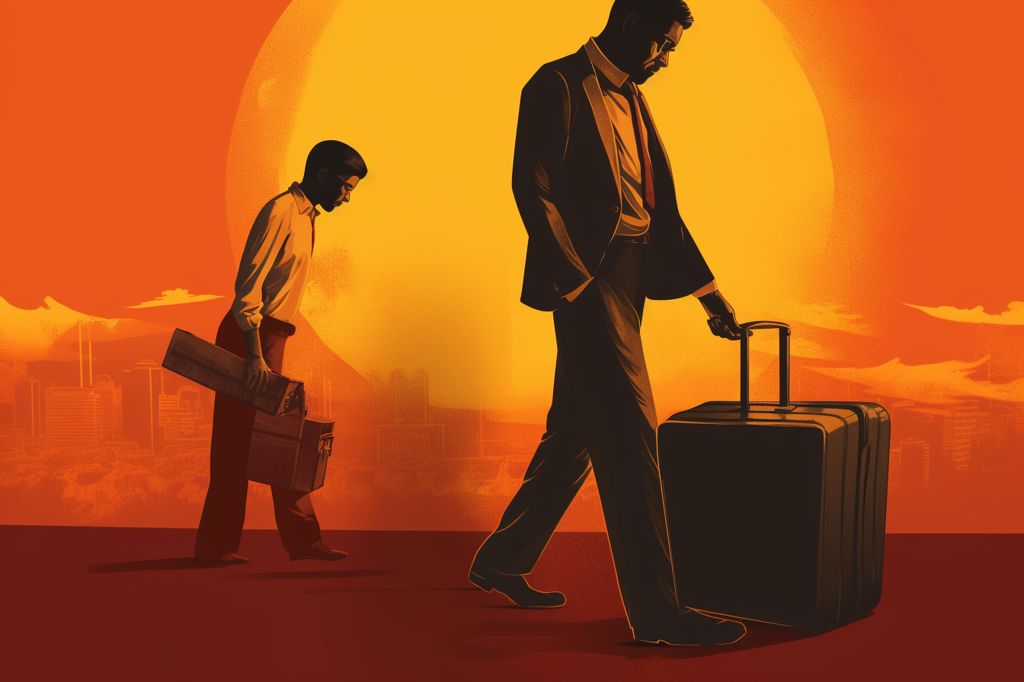
In South Africa, the term “black tax” refers to the unwritten obligation of successful individuals to financially support their families. While it is heartwarming to help one’s kin, this phenomenon can be oppressive and lead to psychological distress for those burdened with it.

The Impact of Black Tax on Personal Lives

Prince Kaybee, a local musician, recently shared his personal experience with black tax, sparking a much-needed conversation in South African society. Kaybee’s candid expression of his struggles resonated with many individuals grappling with the weight of family expectations.

Newsletter

Stay Informed • Cape Town

Get breaking news, events, and local stories delivered to your inbox daily. All the news that matters in under 5 minutes.

Join 10,000+ readers
No spam, unsubscribe anytime

In some cases, relatives tend to exploit their successful family members, making unrealistic financial demands that can lead to depression and, in extreme cases, suicide. Young, successful individuals often find themselves subjected to emotional blackmail and feelings of guilt when they cannot provide for their “greedy” family members.

The Political Implications of Black Tax

The debate on black tax in South Africa goes beyond personal anecdotes and enters the political sphere, with figures like Julius Malema weighing in on the subject. The widespread conversation highlights the need for a societal reevaluation of the current paradigm.

Redefining Success and Encouraging Balanced Approaches

One potential solution to the black tax dilemma lies in redefining the concept of success in South African society. By broadening our understanding of personal achievement beyond material wealth, we can alleviate some of the pressure associated with financial responsibility.

Encouraging open dialogue about the challenges faced by successful individuals can help foster empathy, understanding, and communal support. Families should also be encouraged to adopt a more balanced approach to financial expectations, recognizing the importance of individual autonomy and personal growth.

The conversation surrounding black tax in South Africa is complex and emotionally charged. Through open dialogue, empathy, and a reevaluation of societal values, we can begin to address this pervasive issue and work towards a more balanced, harmonious relationship between personal success and familial responsibility.


Chloe de Kock is a Cape Town-born journalist who chronicles the city’s evolving food culture, from township braai joints to Constantia vineyards, for the Mail & Guardian and Eat Out. When she’s not interviewing grandmothers about secret bobotie recipes or tracking the impact of drought on winemakers, you’ll find her surfing the mellow breaks at Muizenberg—wetsuit zipped, notebook tucked into her backpack in case the next story floats by.

Leave a Reply

Your email address will not be published.

Previous Story

Christina Kaba: A Hero of Hope

Next Story

Kaizer Chiefs and Khama Billiat: Stuck in Contract Negotiations

Latest from Blog

Forty Metres of Air: The Morning Kiteboarding Rewrote Physics

Hugo Wigglesworth, a young kiteboarder, defied gravity and rewrote the record books by soaring an incredible 40 meters into the air. He used powerful winds, a perfectly timed jump off a wave, and special gear to achieve this amazing feat. His careful planning and hundreds of practice runs made him fly higher than anyone before, showing the world what’s possible in kiteboarding.

Airbnb Under Fire: How Cape Town’s Housing Crunch Became a Tourism Blame-Game

Cape Town’s housing woes are NOT really Airbnb’s fault, even though a viral photo tried to blame them! The real problem is that not enough homes are being built, and lots of new people are moving to the city. Getting building permits takes forever, making homes expensive. Airbnb brings in lots of money and jobs, and even if all Airbnbs disappeared, it wouldn’t fix the big housing shortage. The city needs to build more homes and make it easier to do so, not just point fingers at tourists.

Cape Town’s Hottest Tables: Where Summer Tastes Like Salt, Smoke and Midnight Vinyl

Cape Town’s new restaurants are super exciting, offering amazing tastes from the ocean, farms, and even old recipes. Places like Amura serve unique sea dishes, while Tannin has a huge wine list and tiny plates. Café Sofi bakes heavenly pastries, Beach Buns makes awesome burgers, and Le Bistrot de JAN mixes French and South African flavors. These spots let you taste the city’s lively food scene, from fancy dinners to casual beach eats, making every meal an adventure.

Between Concrete and Current – Four Inland Hearts Meet the Indian Ocean

This article tells a beautiful story of four South Africans from inland places who see the Indian Ocean for the very first time. For many, the sea is just a picture, far away and hard to reach. But when these brave people finally touch the salty water, it changes them deeply. They feel the ocean’s power, taste its salt, and understand that this huge, blue world is now a part of their own story, breaking down old ideas about who can connect with the sea.