Filmmaker Captures Rare Images of Knysna Forest’s Last Elephant Cow

1 min read
elephant conservation ecosystem restoration

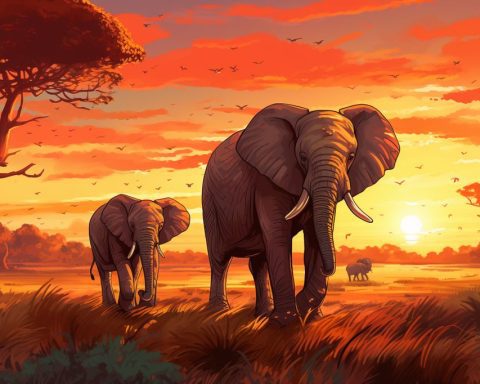
Wilderness explorer and filmmaker Ryan Davy stumbled upon the last surviving elephant cow in Knysna Forests, known as Oupoot, the Matriarch, or Strangefoot. After years of rumors and blurry surveillance footage, Davy embarked on a 12-week search to find this elusive figure.

Importance of Elephants in the Ecosystem

Elephants play a crucial role in the ecosystem by clearing thick vegetation, fostering new life, and allowing light to reach the forest floor. Without them, the ecosystem suffers, as is currently the case in Knysna Forests. Davy aimed to raise awareness about the importance of a herd of elephants in the area and alleviate the loneliness of the solitary female elephant, as social interaction is crucial to the species.

Newsletter

Stay Informed • Cape Town

Get breaking news, events, and local stories delivered to your inbox daily. All the news that matters in under 5 minutes.

Join 10,000+ readers
No spam, unsubscribe anytime

Encounter with Oupoot

After covering 15 to 20 kilometers daily and trekking during full moon nights, Davy finally encountered Oupoot up close. Rather than causing panic, Davy chose to let her slip away silently to avoid any potential harm she might inflict upon herself while fleeing. Davy was in awe of Oupoot’s magnificence and recognized the importance of her survival.

Advocating for Restoration of the Ecosystem

Davy advocates for the reintroduction of a herd of elephants to the Knysna Forests’ ecosystem, much like the successful reintroduction of wolves in Yellowstone National Park. This reintroduction would help control the overgrowth of invasive species and restore balance to this natural haven.

Criticism by SANParks

Although SANParks criticized Davy’s tracking methods, they confirmed that his pictures indeed showed the elusive Knysna elephant. SANParks prefers non-invasive tracking methods, using remote cameras to monitor the elephant’s movements without disturbing her. However, they are open to discussions with Davy about the best approach moving forward.

Hope for the Future

Liam Fortuin is a Cape Town journalist whose reporting on the city’s evolving food culture—from township kitchens to wine-land farms—captures the flavours and stories of South Africa’s many kitchens. Raised in Bo-Kaap, he still starts Saturday mornings hunting koesisters at family stalls on Wale Street, a ritual that feeds both his palate and his notebook.

Leave a Reply

Your email address will not be published.

Previous Story

The Parole of Alison Botha’s Attackers: A Chilling Reminder of a Gruesome Past

Next Story

Cape Town: A Thriving Hub for Investment and Economic Growth

Latest from Blog

A Teenager in a White Coat: How One Student Shattered South Africa’s Medical Age Record

{“summary”: “Imagine a whiz kid, David Obagbuwa, who started high school at 11 and became a doctor at just 21! He shattered South Africa’s medical age record, proving that a sharp mind and hard work can achieve amazing things. From classrooms in KwaZuluNatal to intense medical studies, David tackled every challenge. Even during lockdown, he quickly mastered his courses. Now, he’s ready to help people, showing that big dreams can come true, no matter how young you are.”}

Martian Dust, Carbon ankles & a R4-million Promise: Inside the 2026 Cape Epic’s Mobility Rebellion

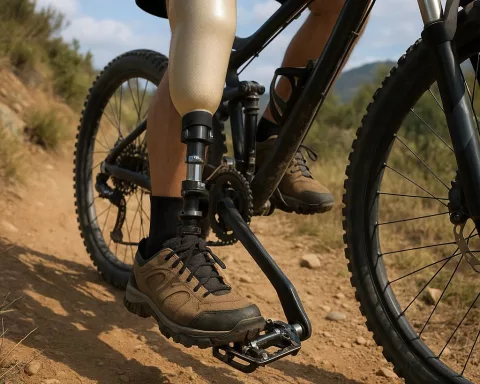
Get ready for the 2026 Cape Epic, but this isn’t just any bike race! Three special teams, using amazing robotic legs and carbon ankles, will tackle the tough trails. They’re racing to raise R4 million to buy 200 new prosthetic limbs, 150 wheelchairs, and 50 sports blades for people in South Africa who need them. Every pedal stroke helps someone gain freedom and move again, showing that movement is for everyone, not just a few. This epic journey turns sweat into hope, changing lives one kilometer at a time.

Cape Town’s Shadow State: How Extortion Became the New Township Taxman

Cape Town has a big problem: bad guys are shaking down businesses and projects for money. They act like “taxmen” in townships, making building costs shoot up and forcing small shops to close. These criminals cause fear, stop important work, and even kill people who get in their way. It’s like a shadow government taking over, making life hard for everyone and costing the city tons of money. People are scared, and it’s unclear how this dangerous situation will ever truly end.

The Woman Who Taught Cape Town to Breathe Under Fire

Arlene Wehr taught Cape Town how to fight fires like a boss! She was one of the first women firefighters and totally changed the game. Arlene created cool new ways to find water, like “Operation Liquid Grid,” and made sure everyone had a chance to become a firefighter, even women. Because of her, Cape Town is safer, and the fire department is much more welcoming to all.

Morea House: Where the Atlantic Meets Art, Granite and Ghost-Nets

Morea House is Cape Town’s first fancy Marriott hotel, born from an old 1960s building. It shines with blushpink walls and art made from old fishing nets, making it feel truly special. This hotel is all about local beauty, from its design to its food, and even how it saves the planet. Imagine rooftop pools, unique spa experiences, and rooms where you wake up to amazing views. It’s a place where every detail tells a story of the ocean and the land, making your stay unforgettable.