The human settlements sector is a key driver of economic development. It impacts Gross Domestic Product, creates jobs, and builds new infrastructure. As such, it is our responsibility to transform this sector to provide healthy and dignified shelter while adapting to climate change challenges.
Advanced Building Technologies and Climate Resilience
The Burj Khalifa in Dubai, the world’s tallest building, stands as an excellent example of advanced building technologies. Its design is inspired by Islamic architecture and built using high-performance concrete, structural steel, and special exterior cladding that can withstand temperature changes and wind forces. As the effects of climate change become more apparent, the technologies used in constructing the Burj Khalifa demonstrate the opportunities for creating climate-resilient communities.
Encouraging Innovative Alternative Building Technologies
Cutting-edge building technologies remain inaccessible to the poor. Encouraging research and development of innovative, durable, and affordable alternative building technologies can address this issue. We must rethink our attachment to traditional brick and mortar construction and embrace new technologies that protect us from unpredictable weather patterns while utilizing our indigenous knowledge for a more sustainable future.
Accelerating the Transformation of Informal Settlements and Slums
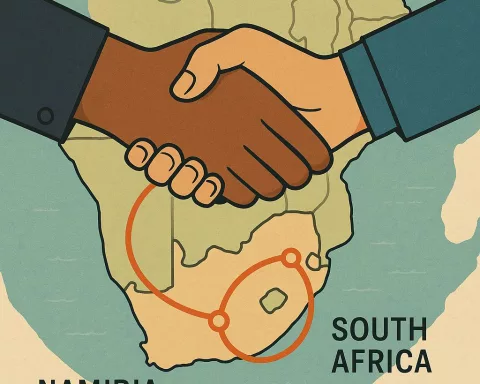
South Africa, with the support of the Southern African Development Community (SADC), initiated a resolution on Accelerating the Transformation of Informal Settlements and Slums at the United Nations (UN) Habitat Assembly in Nairobi, Kenya. This resolution aims to reduce spatial inequality, foster social inclusion, and promote economic prosperity and environmental sustainability. South Africa must lead its implementation.
Placing Technology at the Center of Our Efforts
We must place technology at the center of our efforts to build communities differently. Egypt’s “New Administrative Capital” showcases innovative building techniques that enable us to construct anywhere we desire. This example challenges us to redefine apartheid spatial planning by creating new towns and communities in the democratic era.
Addressing Rapid Urbanization and Providing Affordable Housing
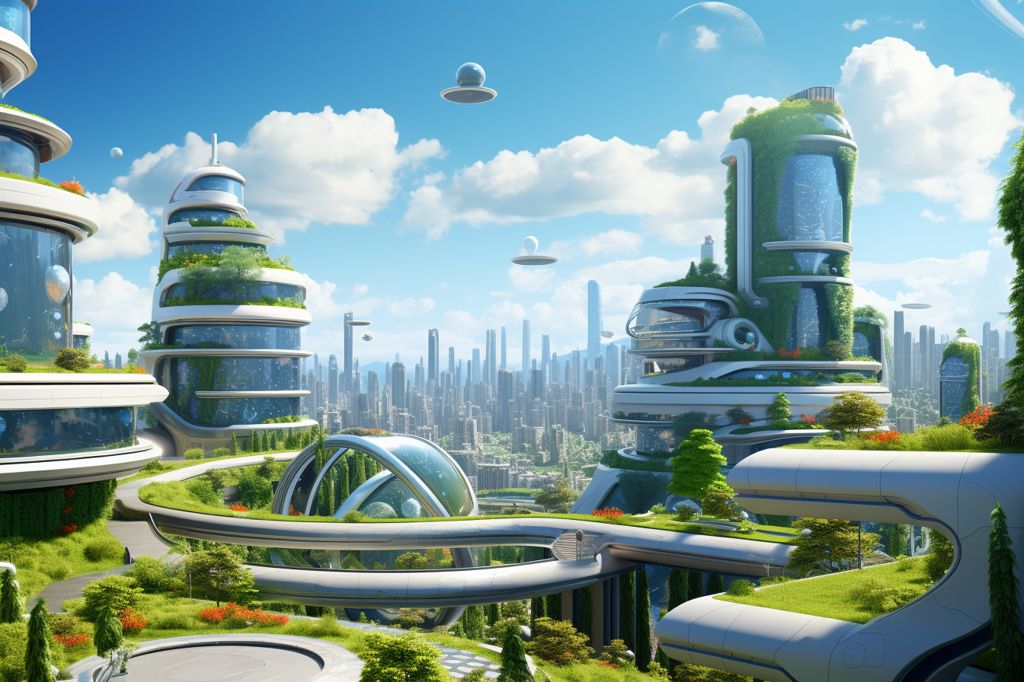
Urbanization is rapidly increasing, leading to overcrowded cities and informal settlements. Upgrading informal settlements and providing affordable housing programs can eliminate these settlements while breaking the apartheid spatial development. Building new cities using innovative and climate-resilient technologies will not only create inclusive human settlements but also provide opportunities for manufacturing, boosting our industrialization strategy.
Critical Questions We Must Address
To facilitate this transformation, we must invest in new infrastructure and find ways to crowd-in public and private funding for the construction of new cities and communities. We must also address critical questions, such as the most efficient way of delivering housing to the poor and vulnerable, the best utilization of alternative building technologies to create sustainable communities, the most effective way of dealing with rapid urbanization, proactive measures to address natural disasters, building climate-resilient infrastructure efficiently, redefining rural housing programs and utilizing indigenous knowledge systems, and how to crowd-in public and private investment to build new cities.
Engaging Collective Brainpower
By engaging the collective brainpower of those involved in the human settlements sector, we can find innovative solutions to these challenges and create a more sustainable, inclusive, and resilient future for human settlements.