The Tragic Implosion of the Titanic Sub and its Aftermath

1 min read
underwater exploration safety policies

On June 18, 2023, a catastrophic event unfolded in the depths of the North Atlantic Ocean when the Titan sub, operated by US-based company OceanGate, imploded during a dive into the Titanic wreck. Unfortunately, all five individuals on board lost their lives. The disaster not only marked a dark day for the world of underwater exploration, but it also raised serious questions about the safety policies of the company behind the expedition.

The Implosion and the Aftermath

The Titan sub was reported missing on the fateful day and, four days later, the US Coast Guard confirmed the implosion, putting an end to a rescue operation that had gripped the world’s attention. Among the deceased were OceanGate’s CEO Stockton Rush, British explorer Hamish Harding, French submarine expert Paul-Henri Nargeolet, and Pakistani-British tycoon Shahzada Dawood and his son Suleman.

Newsletter

Stay Informed • Cape Town

Get breaking news, events, and local stories delivered to your inbox daily. All the news that matters in under 5 minutes.

Join 10,000+ readers
No spam, unsubscribe anytime

In the wake of the tragedy, OceanGate announced on its website that it had suspended all exploration and commercial operations indefinitely. It came two weeks after the incident, as investigators worked tirelessly to uncover the causes behind the fatal implosion. Experts managed to recover presumed human remains from the wreckage, which was eventually brought to the port of St. John’s, Newfoundland, in eastern Canada.

The Discovery and the Cost

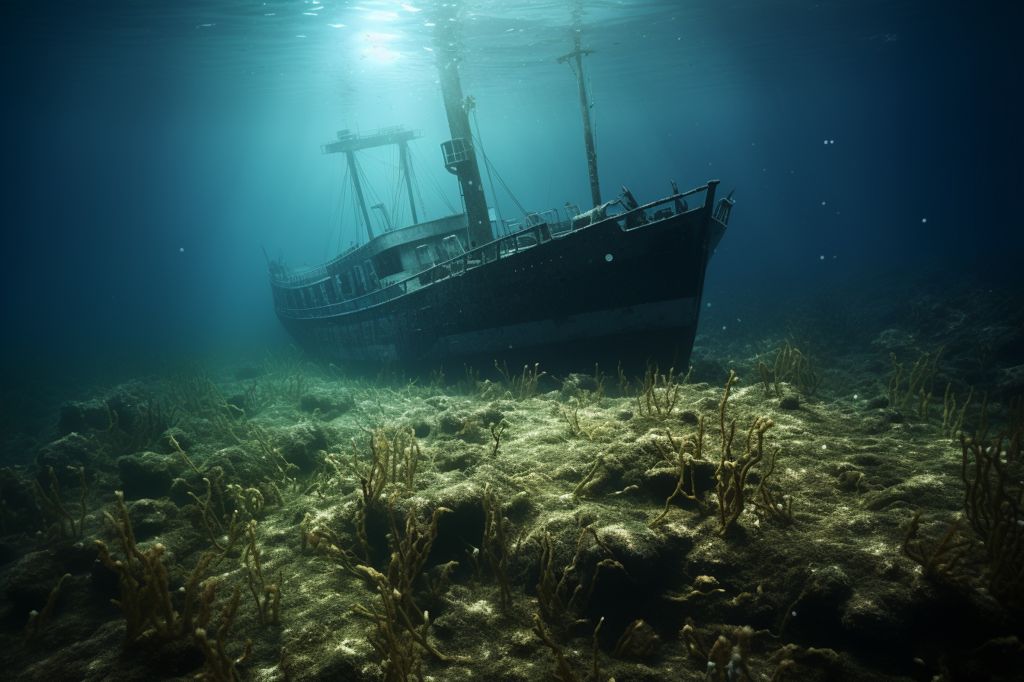
The victims are believed to have perished instantly as the Titan, roughly the size of an SUV, succumbed to the immense pressure over two miles beneath the ocean’s surface. A debris field was discovered 1,600 feet away from the Titanic’s bow, which lies 400 miles off the coast of Newfoundland. This infamous shipwreck, having claimed the lives of more than 1,500 passengers and crew members in 1912 during its maiden voyage, was discovered in 1985 and has since become a magnet for maritime enthusiasts and underwater adventurers.

OceanGate Expeditions charged a staggering $250,000 per seat on their sub, a price that now seems insignificant compared to the immense cost of human life. The tragic implosion has brought to light previous concerns about the company’s safety policies, prompting both the US Coast Guard and Canadian authorities to launch investigations into the incident.

The Consequences of Risk-taking

The Titan lost contact approximately an hour and 45 minutes after its descent, leaving the world to hope against hope for a positive outcome. Unfortunately, this tale ended in tragedy, leaving us to ponder the risks and rewards associated with the pursuit of knowledge and exploration.

This incident serves as a reminder of the power and unpredictability of nature, as well as the inherent dangers that accompany venturing into the unknown. As we continue to push the boundaries of human exploration, the tragedy of the Titanic sub will undoubtedly weigh heavily on our collective conscience, urging us to prioritize safety and caution in all our endeavors.
Emma Botha is a Cape Town-based journalist who chronicles the city’s shifting social-justice landscape for the Mail & Guardian, tracing stories from Parliament floor to Khayelitsha kitchen tables. Born and raised on the slopes of Devil’s Peak, she still hikes Lion’s Head before deadline days to remind herself why the mountain and the Mother City will always be her compass.

Leave a Reply

Your email address will not be published.

Previous Story

South African Innovators Receive Top Honors at the 11th All Africa Business Leaders Awards

Next Story

Triumphing Over Struggles: Dr. Malinga’s Birthday Reflection

Latest from Blog

From Bottle to Breakthrough: How Three Cape Town Schools Turned Trash into a Movement

Three Cape Town schools started a cool recycling project called “From Bottle to Breakthrough.” They turned plastic trash into a big community effort, using fun digital scoreboards to show how much everyone collected. Kids and parents worked together, learning about recycling in class and even making money from their efforts. This awesome idea is now inspiring others, showing how old bottles can become new, useful things for everyone.

Western Cape’s €97 500 Digital Twin Spark: From Tallinn Code to Cape Town Concrete

{“summary”: “The Western Cape is building a \”digital twin\” of its public buildings and roads. This means creating a live, digital copy that uses sensors and data to predict problems and help with planning. It all started with a small grant of €97,500, showing how even a little money can kickstart big changes. This project will help the province manage its infrastructure better, making things last longer and run more smoothly.”}

The Quiet Calculus Behind a Familiar Face

Modern women are taking charge of their beauty and aging journey! They mix fancy treatments like Botox and lasers with good habits like sunscreen, healthy food, and chilling out. It’s all about feeling good and confident, not being ashamed of growing older. It’s like a secret math problem they solve to look and feel their best, often inspired by powerful women like Charlize Theron.

A Karoo Christmas Unlike Any Other: How One Secret Donor Rewrote Aberdeen’s December Story

A kind stranger secretly paid off 260 laybys at a PEP store in Aberdeen, South Africa, just before Christmas. This amazing act freed families to collect their muchneeded items, from school clothes to baby blankets, bringing immense joy and relief to the small, struggling town. The secret donor’s generosity, totaling R132,500, turned a difficult December into a festive celebration for many, sparking a wave of happiness and inspiring local businesses.