
Langa’s apartheid-era zones are a stark reminder of the poverty that still reverberates from that time. The derelict hostels that function as homes for residents, spanning generations, entrap them in a cycle of destitution. The need for a transition towards a more balanced society is amplified by the glaring reality of the poverty that surrounds them. Despite promises of redevelopment plans, the residents continue to wait for a better future, their hope resilient amidst the ruins of the past.
The Evident Echoes of Apartheid-era Poverty in Langa’s Zones
The numbered areas known as ‘zones’ within Langa show the reverberations of poverty from the apartheid era. The derelict hostels function as homes for the people living there, entrapping them in an enduring cycle of destitution. The need for a transition away from the remnants of apartheid towards a more balanced society is amplified by this glaring reality.
The Evident Echoes of Apartheid-era Poverty in Langa’s Zones
In the numbered areas known as ‘zones’ within Langa, the reverberations of poverty from the apartheid era can be palpably felt. This is made particularly apparent by the derelict hostels that function as homes for the people living there. The residents, spanning several generations, are entrapped in an enduring cycle of destitution. As voiced by Zone 17’s inhabitant, Nomlibo Siko, “The poverty that surrounded our parents, surrounds us, and now even envelops our children.” This glaring reality amplifies the need for a transition away from the remnants of apartheid towards a society that is more balanced in its distribution of wealth.
Siko, like many others, has been living in this decaying infrastructure since 1993. The room she shares with her three offspring acts as a testament to her ongoing battle. In 1997, Siko applied for a house, a dream that has remained unfulfilled, symbolized by a red card she still carries. This is a heartbreaking epitome of hopes that have been dashed and pledges that have been unfulfilled.
The Grim Reality of Zone 17
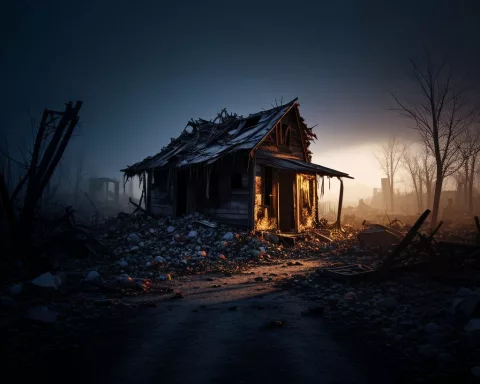
The state of affairs in Zone 17 is bleak. The streets are blighted with stagnant, grey water. Garbage and litter have taken over the walkways. There is no official supply of electricity, leading to a dangerous maze of unlawful connections, a tangible representation of the inhabitants’ fight for survival.
This struggle for survival is the day-to-day reality for 84-year-old Nomfihlo Dyantyi, a resident since 1974. “I can’t fathom how we have managed to live like this for so many years. No one should have to live like this,” she expresses. Her room, besieged by leaks and overcrowded spaces, is a harsh indicator that the respect of suitable housing is still a distant dream for many.
The zones, which are a leftover of the apartheid era, carry numerical identifiers: 17, 18, 19, 20, 23, 24, 25, and 26. These accommodate hostels bearing names including Morris, Cape Foundry, Dura, Blue Line, Vineyard, and Slingsby. As far back as 1993, Mamphela Ramphele, a renowned activist and medical practitioner, depicted these zones in her book, A Bed called Home. She referred to them as the “most deplorable council-built hostels in Langa”.
The Ambiguous Future of Langa’s Zones
The City of Cape Town has stated its intention to devise a redevelopment plan for Langa, although the details are scarce. Given the lack of tangible progress, Langa’s community leaders have taken action. Fundulwazi Langa, a community figurehead, talks about negotiations with the City and demonstrations demanding budget transparency for housing and insisting on development in the Zones. He emphasizes the inhumane conditions experienced by the elderly and disabled, especially in Zone 17 where toilets are non-existent.
Siko’s recounting of their sanitation predicament cuts through the red tape. The absence of toilets has compelled the residents to resort to buckets, discarding the waste into now clogged stormwater drains. She conveys, “Every time the City officials come to clean or fix the drains, they encounter waste because that’s where we discard it. At times, the smell is unbearable, an odorous reminder of our living conditions.”
Upon inquiring about the development and lack of facilities in Zone 17, Carl Pophaim, Mayco Member for Human Settlements, provided a nebulous guarantee that the City is preparing a Langa redevelopment plan. He promised a dialogue with stakeholders and the provision of some services via Public Housing.
Hope amidst the Rubble
Despite the promises made, the much-anticipated development and enhancement of living conditions within Langa’s zones are yet to be actualized, remaining a future prospect. The residents continue their wait, their hope resilient amidst the ruins of a past that continues to resonate in their present.
What are Langa’s apartheid-era zones?
Langa’s apartheid-era zones are numbered areas within the township that were established during the apartheid era. They were designed to house black migrant workers and their families who were working in Cape Town during the apartheid regime.
What is the current situation in Langa’s zones?
The current situation in Langa’s zones is dire, with many residents living in derelict hostels that function as homes. The poverty that surrounded their parents continues to surround them, and there is a glaring need for a transition towards a more balanced society.
What is the state of Zone 17?
The state of affairs in Zone 17 is bleak, with stagnant, grey water blighting the streets and garbage and litter taking over the walkways. There is no official supply of electricity, leading to a dangerous maze of unlawful connections.
Is there a plan for redevelopment in Langa?
The City of Cape Town has stated its intention to devise a redevelopment plan for Langa, although the details are scarce. Community leaders have taken action and demanded budget transparency for housing and development in the zones.
What is the sanitation situation in Langa’s zones?
The lack of toilets in Langa’s zones has compelled residents to resort to using buckets, discarding waste into clogged stormwater drains. The smell is often unbearable, an odorous reminder of their living conditions.
Is there hope for the future of Langa’s zones?
Despite the lack of progress and development, the residents’ hope remains resilient amidst the ruins of a past that continues to resonate in their present. Community leaders continue to fight for their rights and demand a more balanced society.