The Standing Committee on Finance is visiting Ithala Bank following the suspension of its Financial Services Provider (FSP) license due to operational issues. The committee aims to ensure that the bank meets financial health standards and rectify any setbacks. The visit includes discussions with stakeholders and the objective of reinstating the bank’s FSP license. The committee’s swift action demonstrates decisive leadership and dedication to maintaining financial stability in South Africa.
Why did the Standing Committee on Finance visit Ithala Bank?
The Standing Committee on Finance chose to visit Ithala Bank due to recent operational issues that triggered a suspension of its Financial Services Provider (FSP) licence. The committee’s objective is to reassure that the bank effectively aligns with the financial health standards laid down by the Financial Matters Amendment Act. The visit aims to rectify operational setbacks and reinstate the bank’s FSP license.
In an unforeseen yet calculated maneuver, the Standing Committee on Finance chose to visit the Ithala Bank due to recent operational issues that triggered an unfortunate suspension of its Financial Services Provider (FSP) licence. The resolution, agreed upon during the committee’s gathering on August 27th, 2024, stands as an immediate counteraction to the problematic suspension implemented from July 26th, 2024.
The Standing Committee’s Response to the Suspension
The Financial Sector Conduct Authority officially imposed the suspension, alerting the bank to its operational deficiencies. The Standing Committee, a team of financial professionals and policy-makers, deemed it necessary to step in, primarily due to the significant customer base the bank caters to. The principal objective of the committee is to reassure that the bank effectively aligns with the financial health standards laid down by the Financial Matters Amendment Act.
The committee has always stressed the significance of consumer interests and how it forms the backbone of any banking institution. The long-term feasibility of the bank and adherence to solvency requirements must be assured consistently. Consequently, this initiative is a manifestation of the committee’s endeavors to realign the bank to fulfill these objectives.
The Committee’s Visit and Dialogue with Stakeholders
The Standing Committee’s visit is more than a simple review of Ithala’s procedures. The committee also plans to engage in discussions with broader stakeholders, encompassing the Ithala Board, the South African Reserve Bank’s Prudential Authority, the Financial Sector Conduct Authority, and the MEC of the Department of Economic Development, Tourism and Environmental Affairs. The objective is to grasp an all-encompassing cognition of the fallout instigated by the FSP license withdrawal, its repercussions on the bank’s pursuit of a full banking license, and most importantly, the necessary measures to rectify the existing inadequacies faced by Ithala Bank.
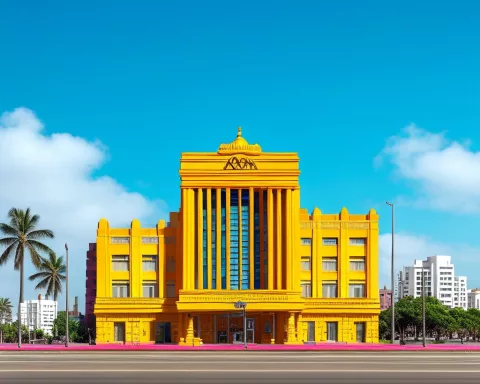
Scheduled for September 3rd and 4th, 2024, the two-day visit will be held at the bank’s headquarters situated at Somtseu Road, North Towers, Kingsmead Office Park, Durban. The Standing Committee on Finance is keen to tackle this issue meticulously, with the ambition of reinstating Ithala Bank’s status in the financial sector and regaining the trust of its clientele.
Aim to Rectify Operational Challenges and Reinstate FSP License
Led by its Chairperson, Dr Joe Maswanganyi, the Standing Committee’s visit to Ithala Bank signifies a staunch effort to rectify the bank’s operational setbacks and reinstate its FSP license. Amid this financial and operational turmoil, the committee’s prompt action serves as an evidence of its steadfast dedication towards maintaining the sturdiness of the nation’s financial entities and safeguarding their customers’ interests.
As the Standing Committee embarks on this financial recovery mission, it is important to understand the significance of transparency and accountability in the financial sector. The act of safely keeping the President’s signed copy of an Act of Parliament at the Constitutional Court reflects how laws and rules are ingrained in a democratic society. This serves as a reminder of the importance of organizations like the Standing Committee on Finance, which wield power and influence to mold and uphold the nation’s financial stability.
Lessons in Crisis Management and Decision Making
In the aftermath of the Ithala Bank’s crisis, the Standing Committee’s actions stand as a testament of decisive leadership and dedication to financial stability. As the committee gears up to delve into the complexities of this situation, it offers valuable insights into crisis management and the importance of swift, efficient, and informed decision-making.
The intervention of the Standing Committee in Ithala Bank’s predicament is not just a tale of a financial crisis. It is a narrative of rapid action, thorough investigation, and an unwavering commitment to the financial health of a country’s institutions. The outcome of this visit has a broader significance, not just for Ithala Bank and its customers, but for the larger financial landscape of South Africa.
What is the objective of the Standing Committee on Finance’s visit to Ithala Bank?
The objective of the Standing Committee on Finance’s visit to Ithala Bank is to ensure that the bank meets financial health standards and rectify any operational setbacks that led to the suspension of its Financial Services Provider (FSP) license. The committee aims to reinstate the bank’s FSP license and maintain financial stability in South Africa.
Who will the Standing Committee on Finance engage in discussions with during their visit?
The Standing Committee on Finance will engage in discussions with stakeholders including the Ithala Board, the South African Reserve Bank’s Prudential Authority, the Financial Sector Conduct Authority, and the MEC of the Department of Economic Development, Tourism and Environmental Affairs. The objective is to gain a comprehensive understanding of the fallout caused by the FSP license withdrawal, its impact on the bank’s pursuit of a full banking license, and the necessary measures to rectify the existing inadequacies faced by Ithala Bank.
When is the Standing Committee on Finance’s visit to Ithala Bank scheduled?
The Standing Committee on Finance’s visit to Ithala Bank is scheduled to take place on September 3rd and 4th, 2024.
Who is leading the Standing Committee on Finance’s visit to Ithala Bank?
The Standing Committee on Finance’s visit to Ithala Bank is led by its Chairperson, Dr Joe Maswanganyi.
Why is transparency and accountability important in the financial sector?
Transparency and accountability are important in the financial sector to ensure that laws and rules are upheld in a democratic society. Organizations like the Standing Committee on Finance play a crucial role in maintaining financial stability and safeguarding customers’ interests.
What lessons can be learned from the Standing Committee on Finance’s intervention in Ithala Bank’s crisis?
The Standing Committee on Finance’s intervention in Ithala Bank’s crisis offers valuable insights into crisis management and the importance of swift, efficient, and informed decision-making. The outcome of this visit has broader significance for the financial landscape of South Africa.